


Blood vessels and blood cells


Lesson details
Learning outcome
I can explain the structure and function of different types of blood vessels and blood cells in the circulatory system.
Key learning points
- Arteries carry blood away from the heart at high pressure. They have thick walls and a smaller lumen.
- Veins carry blood back to the heart. They have thinner walls and contain valves to prevent backflow.
- Capillaries facilitate the exchange of gases, nutrients, and waste products between blood and tissues.
- Red blood cells transport oxygen, carbon dioxide and nutrients.
- White blood cells fight infections whilst platelets enable blood clotting and plasma makes up the main blood volume.
Keywords
Arteries - blood vessels with a small lumen and thick muscular walls that carry blood away from the heart
Veins - blood vessels with a wide lumen and pocket valves that carry blood back towards the heart
Capillaries - thin (one cell thick) blood vessels that allow exchange of materials (oxygen, carbon dioxide and nutrients) between the blood and the tissues of the body
Red blood cells - oxygen carrying cells containing haemoglobin
White blood cells - blood cells responsible for fighting infection
Common misconception
Arteries always carry oxygenated blood.
The pulmonary artery is the only artery in the body that carries deoxygenated blood as it is pumped back to the lungs to be re-oxygenated. Consequently, the pulmonary vein is the only vein in the body that carries oxygenated blood.
Teacher tip
A good way to remember the difference between arteries and veins is that arteries carry blood away from the heart. A for away and A for artery.

Licence

Lesson video
Loading...
Prior knowledge starter quiz
6 Questions
Q1.The heart operates as a double circulatory system. This means:
Q2.The circuit transports blood to the body tissues to supply oxygen and delivers deoxygenated blood back to the heart.
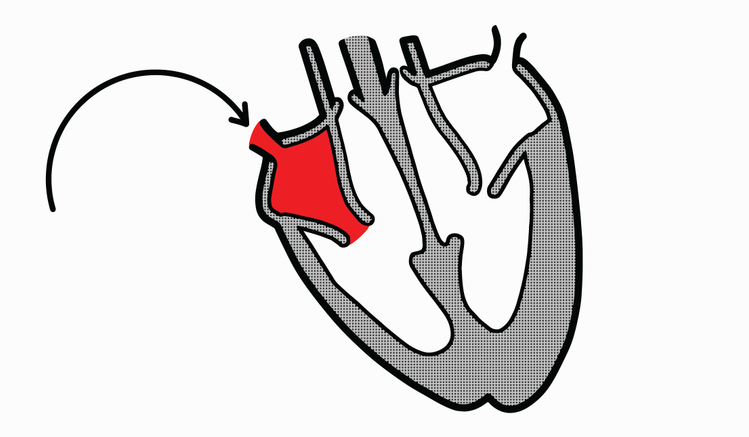
Q3.Name the chamber identified in red in the image below.
Q4.Match the following components of the circulatory system.

Q5.The is the muscular wall in that divides the left and right sides of the heart.
Q6.Veins contain special pocket to help prevent the backflow of blood.
Assessment exit quiz
6 Questions
Q1.Which of the following blood vessels carries blood away from the heart?
Q2.The only vein carrying oxygenated blood is the vein.
Q3.Which of the following is not true?
Q4.Red blood cells carry in the haemoglobin.
Q5.Match up the following blood vessels and constituents of the blood with their main function.
Q6.Place the following sequence of events in the order they happen from air entering the lungs.
To help you plan your 10 physical education lesson on: Blood vessels and blood cells, download all teaching resources for free and adapt to suit your pupils' needs...
To help you plan your 10 physical education lesson on: Blood vessels and blood cells, download all teaching resources for free and adapt to suit your pupils' needs.
The starter quiz will activate and check your pupils' prior knowledge, with versions available both with and without answers in PDF format.
We use learning cycles to break down learning into key concepts or ideas linked to the learning outcome. Each learning cycle features explanations with checks for understanding and practice tasks with feedback. All of this is found in our slide decks, ready for you to download and edit. The practice tasks are also available as printable worksheets and some lessons have additional materials with extra material you might need for teaching the lesson.
The assessment exit quiz will test your pupils' understanding of the key learning points.
Our video is a tool for planning, showing how other teachers might teach the lesson, offering helpful tips, modelled explanations and inspiration for your own delivery in the classroom. Plus, you can set it as homework or revision for pupils and keep their learning on track by sharing an online pupil version of this lesson.
Explore more key stage 4 physical education lessons from the Anatomy and physiology: the cardio-respiratory system unit, dive into the full secondary physical education curriculum, or learn more about lesson planning.