


Levers and mechanical advantage


Lesson details
Learning outcome
I can identify each class of lever and apply a sporting example of each.
Key learning points
- There are three different types of lever in the human body.
- Levers are categorised based on the location of the load, effort and fulcrum.
- Sporting examples of a first class lever include the neck when heading the ball in football.
- Sporting examples of a second class lever include pointing the toes at the ankle during a jump shot in basketball.
- Sporting examples of a third class lever include flexion of the elbow in a bicep curl.
Keywords
First class lever - fulcrum is placed in the middle bewteen the load and effort
Second class lever - load is placed in the middle bewteen the fulcrum and effort
Third class lever - effort is placed in the middle between the load and effort
Mechanical advantage - a second class lever allows a large load to be moved with a small amount of effort
Common misconception
All joint movements require the same sort of leverage.
The orientation of the fulcrum (joint), the effort (muscle) and the load dictate which of the three classes of lever it is and also if there is a mechanical advantage.
Teacher tip
Introduce the shapes used to represent the fulcrum, effort and load early in the lesson and have them on a post it note (1 per shape) ready for the pupils to move them around on clear examples of the neck, ankle and elbow.

Equipment
Post-it notes, mini whiteboards, images of sporting actions at the neck, ankle and elbow.

Licence

Lesson video
Loading...
Prior knowledge starter quiz
6 Questions
Q1.Where in the body would you find a hinge joint?
Q2.Which of the following bones articulates at the elbow joint?
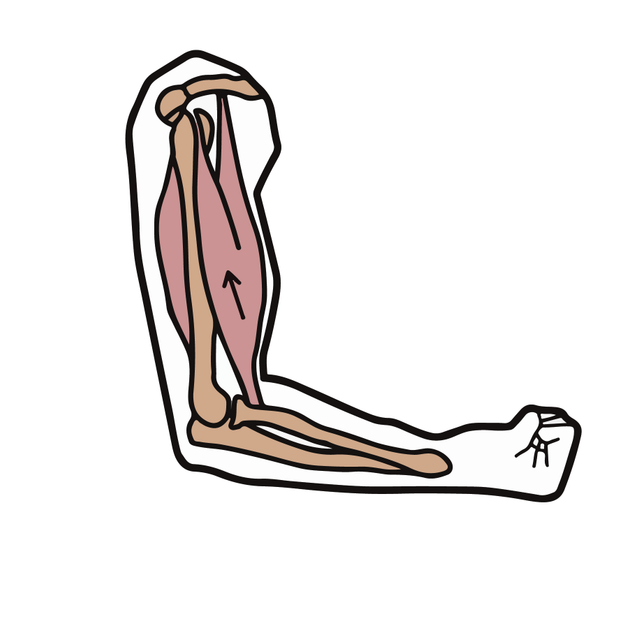
Q3.Match the bones to the correct location in the body.

Q4.Which movement causes the angle at a joint to decrease?
Q5.The shoulder is an example of a ball and socket joint. Where else in the body would you find a ball and socket joint?
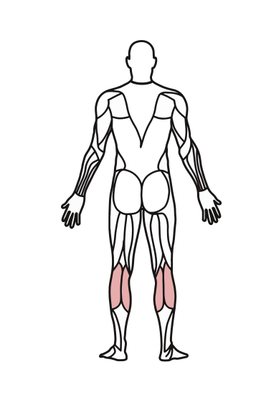
Q6.Name the muscle in the back of the lower leg in this image.
Assessment exit quiz
6 Questions
Q1.Match the shape to the correct component of a lever.
Q2.The load is positioned in the middle of which lever system?
Q3.Which of the following diagrams is correct for third class lever?
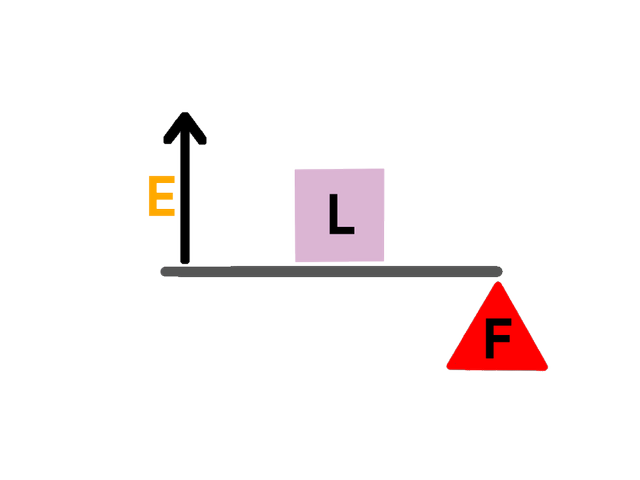
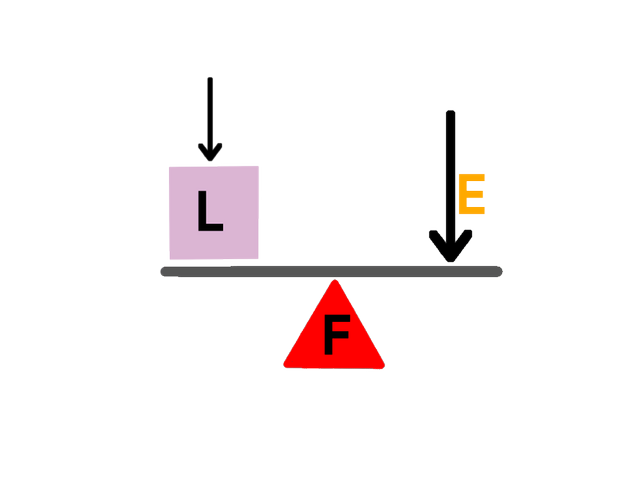
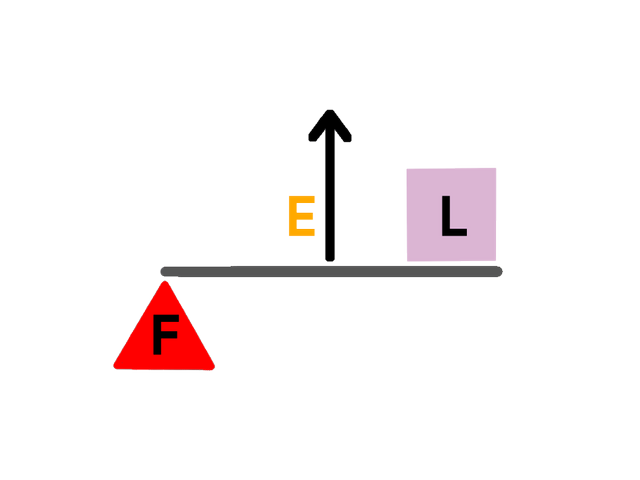
Q4.Match the area of the body to the correct lever system.
Q5.Using football examples, match the sporting action to the correct lever system.
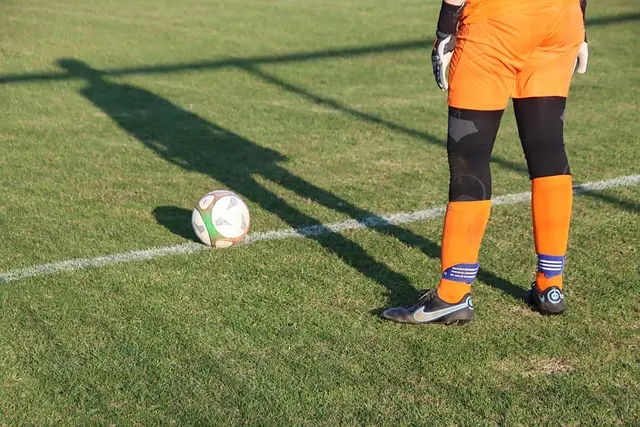
Q6.In a second class lever, the effort arm is shorter than the resistance arm and therefore has mechanical...
To help you plan your 10 physical education lesson on: Levers and mechanical advantage, download all teaching resources for free and adapt to suit your pupils' needs...
To help you plan your 10 physical education lesson on: Levers and mechanical advantage, download all teaching resources for free and adapt to suit your pupils' needs.
The starter quiz will activate and check your pupils' prior knowledge, with versions available both with and without answers in PDF format.
We use learning cycles to break down learning into key concepts or ideas linked to the learning outcome. Each learning cycle features explanations with checks for understanding and practice tasks with feedback. All of this is found in our slide decks, ready for you to download and edit. The practice tasks are also available as printable worksheets and some lessons have additional materials with extra material you might need for teaching the lesson.
The assessment exit quiz will test your pupils' understanding of the key learning points.
Our video is a tool for planning, showing how other teachers might teach the lesson, offering helpful tips, modelled explanations and inspiration for your own delivery in the classroom. Plus, you can set it as homework or revision for pupils and keep their learning on track by sharing an online pupil version of this lesson.
Explore more key stage 4 physical education lessons from the Movement analysis and basic biomechanics unit, dive into the full secondary physical education curriculum, or learn more about lesson planning.