


Investigating voltage: plan



Lesson details
Learning outcome
I can plan to investigate how voltage affects the brightness of a lamp in a circuit.
Key learning points
- A cell is a single unit that is needed for electricity to flow around a circuit and a battery is a group of cells.
- The V on a cell stands for volts, and is a measure of the size of electrical push it provides to a circuit.
- Cells or batteries with a higher voltage provide a stronger electrical push to a circuit.
- Adding more cells produces a higher voltage and a stronger electrical push to a circuit.
- Scientists plan different types of enquiries to find answers to questions.
Keywords
Cell - A cell is a single unit that is needed for electricity to flow around a circuit.
Battery - A battery is two or more cells working together.
Voltage - Voltage is a measure of the size of the push provided by a cell or other source of electricity.
Affect - To affect something or someone is to change it or how it behaves.
Brightness - The brightness of a lamp is the amount of light it gives out.
Common misconception
The voltage of a cell is proportional to the size of the cell. Voltage is a tangible substance rather than a measure of electrical “push”.
Teaching slides and CfUs will clarify that voltage is a measure of the size of the push provided by a cell or other source of electricity, and that cell size is not proportional to voltage.
Teacher tip
Encourage pupils to think of the cells and batteries they use in their lives and whether they would expect them to have a high or low voltage. This lesson includes a diagnostic question on slide 13 - see additional materials for further guidance.

Equipment
A range of cells or batteries.

Content guidance
Exploration of objects

Supervision
Adult supervision recommended

Licence

Lesson video
Loading...
Prior knowledge starter quiz
6 Questions
Q1.What is shown in the image?
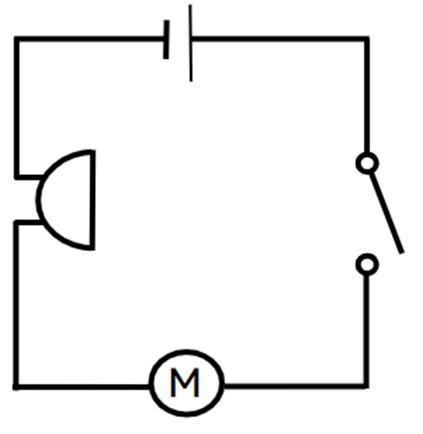
Q2.What is the name of the images used to represent components in a circuit?
Q3.In a circuit, the cell or battery provides the to make electricity flow.
Q4.Which circuit symbol is shown in the image?
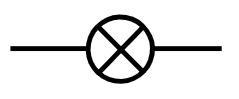
Q5.Which circuit symbol is shown in the image?
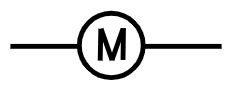
Q6.Which diagram matches the circuit drawing?
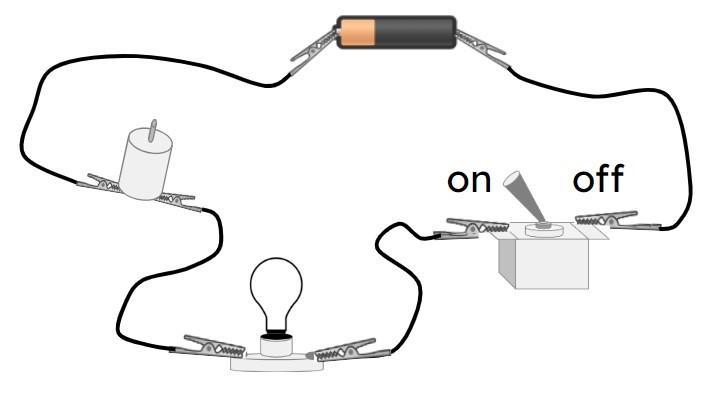
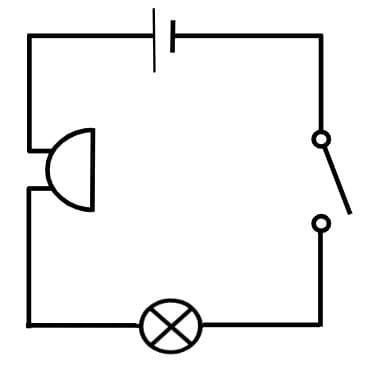
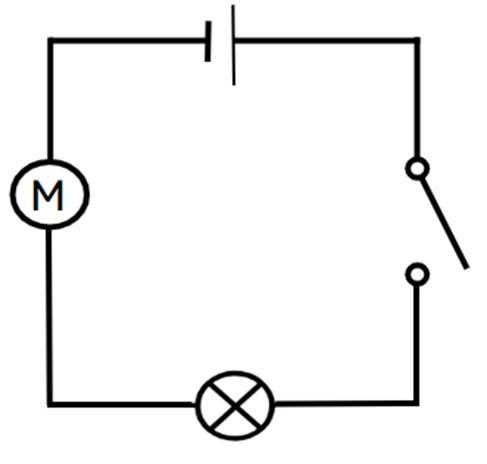
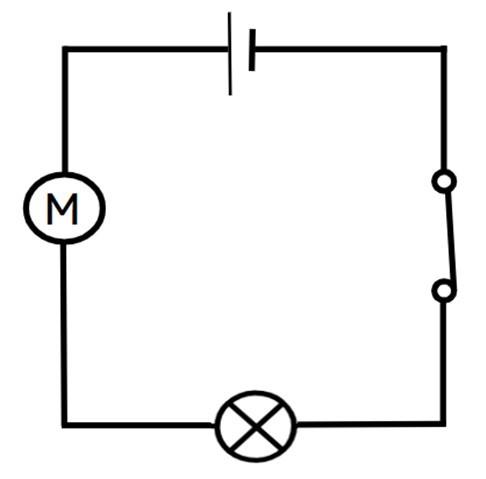
Assessment exit quiz
6 Questions
Q1.The on a cell or battery stands for volts.
Q2.Which image shows a cell?

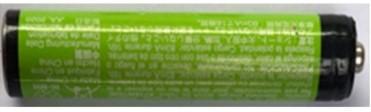
Q3.Which of these questions could be answered with a scientific enquiry?
Q4.Cells with a voltage provide a stronger electrical push to a circuit.
Q5.Match the word to the definition.

Q6.How could you create a higher voltage in a circuit?
To help you plan your 6 science lesson on: Investigating voltage: plan, download all teaching resources for free and adapt to suit your pupils' needs...
To help you plan your 6 science lesson on: Investigating voltage: plan, download all teaching resources for free and adapt to suit your pupils' needs.
The starter quiz will activate and check your pupils' prior knowledge, with versions available both with and without answers in PDF format.
We use learning cycles to break down learning into key concepts or ideas linked to the learning outcome. Each learning cycle features explanations with checks for understanding and practice tasks with feedback. All of this is found in our slide decks, ready for you to download and edit. The practice tasks are also available as printable worksheets and some lessons have additional materials with extra material you might need for teaching the lesson.
The assessment exit quiz will test your pupils' understanding of the key learning points.
Our video is a tool for planning, showing how other teachers might teach the lesson, offering helpful tips, modelled explanations and inspiration for your own delivery in the classroom. Plus, you can set it as homework or revision for pupils and keep their learning on track by sharing an online pupil version of this lesson.
Explore more key stage 2 science lessons from the Changing circuits unit, dive into the full primary science curriculum, or learn more about lesson planning.