


Identification and classification in the field


Lesson details
Learning outcome
I can use a classification key to identify and classify organisms in their natural habitats.
Key learning points
- Make, record and interpret observations of organisms in the field.
- Use a classification key to identify and classify organisms in the field.
- How to work safely in a way that minimises harm to living organisms and disruption of ecosystems.
Keywords
Classification key - A series of questions about the features of organisms that help us to identify and classify them correctly.
Habitat - The environment in which an organism naturally lives.
Fieldwork - Collecting data outdoors in the natural habitats of organisms.
Data - Observations and measurements.
Common misconception
Drawing a graph with the axes incorrectly orientated (independent variable on y axis instead of x).
Outline and model graphs shown and discussed with links made between independent and dependent variables and the axes they appear on.
Teacher tip
Edit the identification key if different species are more appropriate, but keep it short and focused so that students can focus on the process of classifying using the key and then displaying and interpreting their data.

Content guidance
Risk assessment required - equipment

Supervision
Adult supervision required

Licence

Lesson video
Loading...
Prior knowledge starter quiz
6 Questions
Q1.After we have handled plants or animals we must wash our hands with and warm water.
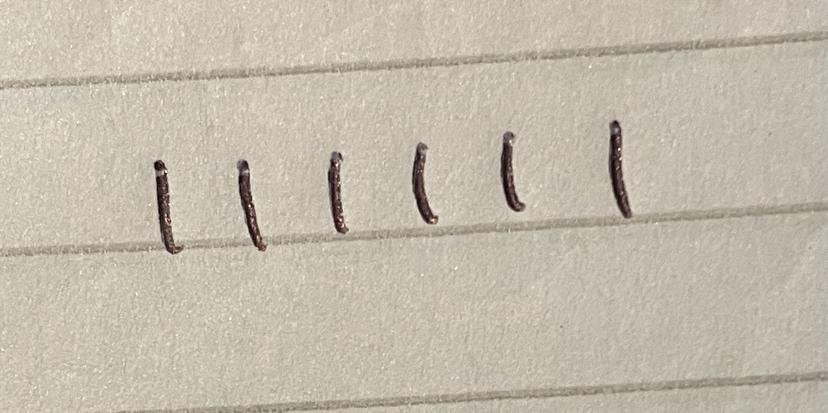
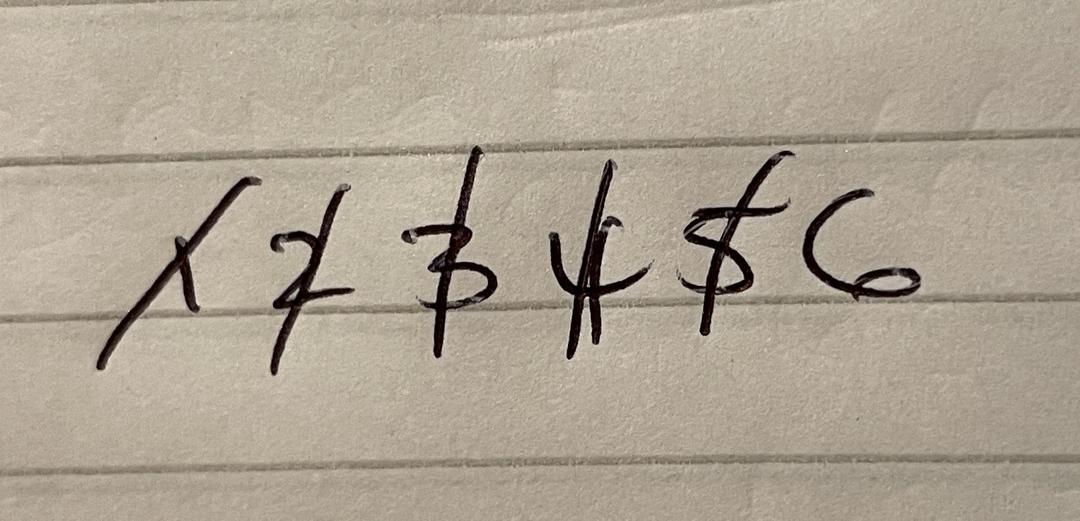
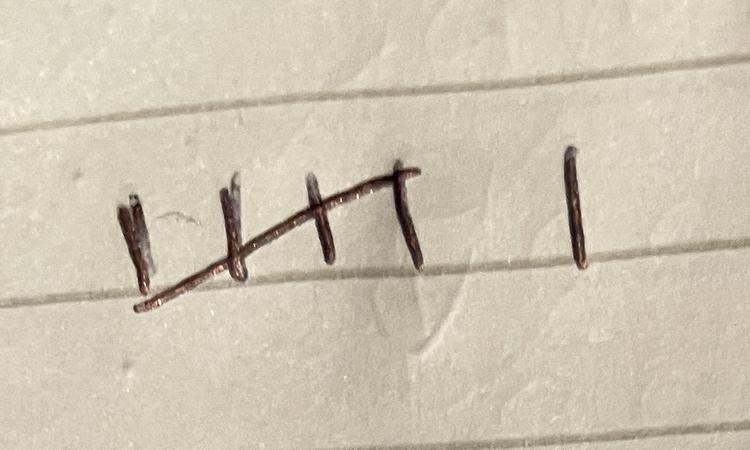
Q2.Which example shows the correct use of a tally?
Q3.In an investigation, the independent variable is…
Q4.On a graph, the independent variable goes on which axis?
Q5.Which types of organisms is a classification key used to identify?
Q6.Which features of an organism do we use to classify them?
Assessment exit quiz
6 Questions
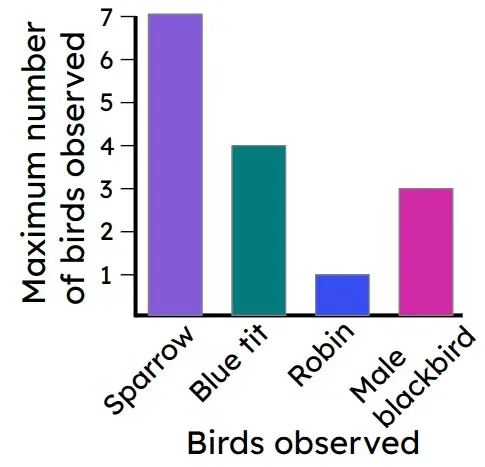
Q1.From the graph, which bird was most seen at the bird feeder?
Q2.To protect wild birds from harm when studying them, we must:
Q3.To protect plants from damage when we are studying them, we must:
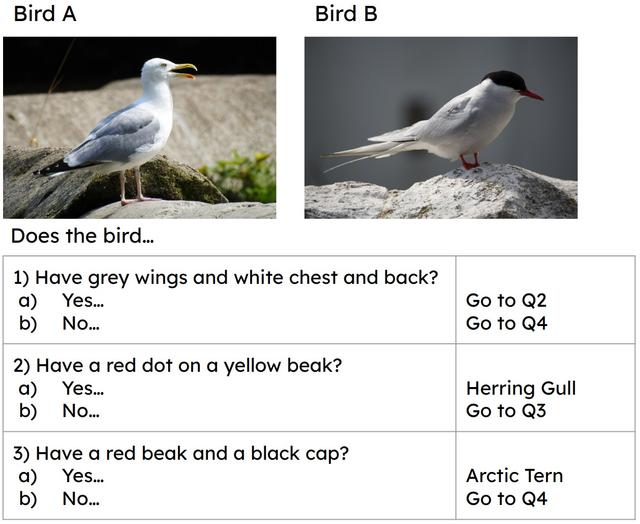
Q4.Use the key to classify the sea birds.

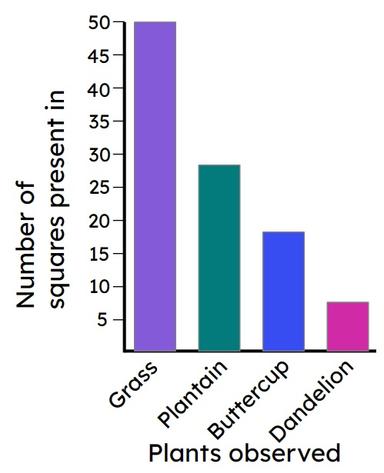
Q5.From the graph, which conclusion is correct?
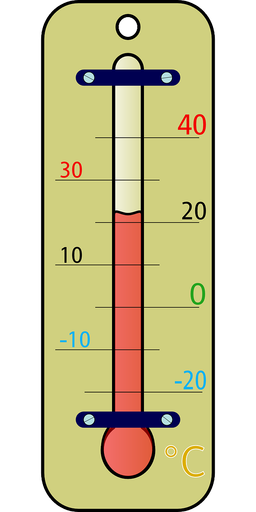
Q6.Which piece of equipment will you need to use to study plants in a field?
To help you plan your 8 science lesson on: Identification and classification in the field, download all teaching resources for free and adapt to suit your pupils' needs...
To help you plan your 8 science lesson on: Identification and classification in the field, download all teaching resources for free and adapt to suit your pupils' needs.
The starter quiz will activate and check your pupils' prior knowledge, with versions available both with and without answers in PDF format.
We use learning cycles to break down learning into key concepts or ideas linked to the learning outcome. Each learning cycle features explanations with checks for understanding and practice tasks with feedback. All of this is found in our slide decks, ready for you to download and edit. The practice tasks are also available as printable worksheets and some lessons have additional materials with extra material you might need for teaching the lesson.
The assessment exit quiz will test your pupils' understanding of the key learning points.
Our video is a tool for planning, showing how other teachers might teach the lesson, offering helpful tips, modelled explanations and inspiration for your own delivery in the classroom. Plus, you can set it as homework or revision for pupils and keep their learning on track by sharing an online pupil version of this lesson.
Explore more key stage 3 science lessons from the Species and classification (differences between species) unit, dive into the full secondary science curriculum, or learn more about lesson planning.