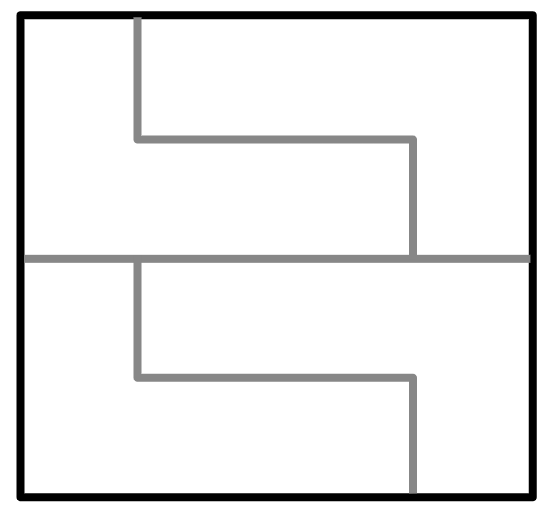
Equal or unequal parts
I can describe how a whole can be divided into parts and recognise equal and unequal parts.

Equal or unequal parts
I can describe how a whole can be divided into parts and recognise equal and unequal parts.
Lesson details
Key learning points
- Wholes can be divided into parts. The whole could be an object, a shape or a set of objects.
- When all the parts are the same size, they are equal parts.
- When all the parts are not the same size, they are unequal parts.
- Equal parts of the same shape may look different.
Keywords
Whole - All the parts / all of a group or number.
Part - A piece or section of the whole.
Equal - We say that two or more things are equal if they have the same quantity or value.
Unequal - We say that two or more things are unequal if they do not have the same quantity or value.
Common misconception
Children may think that when a shape has been split straight through the middle that the parts are equal.
Encourage children to compare the sizes of each part by lining them up next to each other. With paper shapes, children can cut out the parts and lay them on top of each other to see if the parts are equal or unequal in size.


Licence
Lesson video
Loading...
Prior knowledge starter quiz
6 Questions
Q1.Which of these is a part of your body?
Q2.Which of these could be a part of a car?
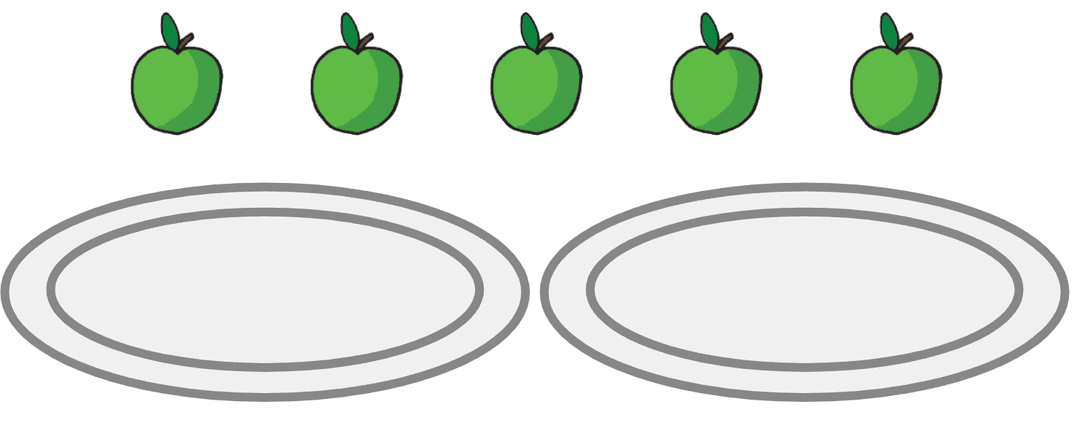
Q3.There are 5 apples in the whole group.
How can we split the group into two parts?
Match the parts to make 5

4 apples
3 apples
5 apples
Q4.Look at the part-part-whole model. What does each number represent?
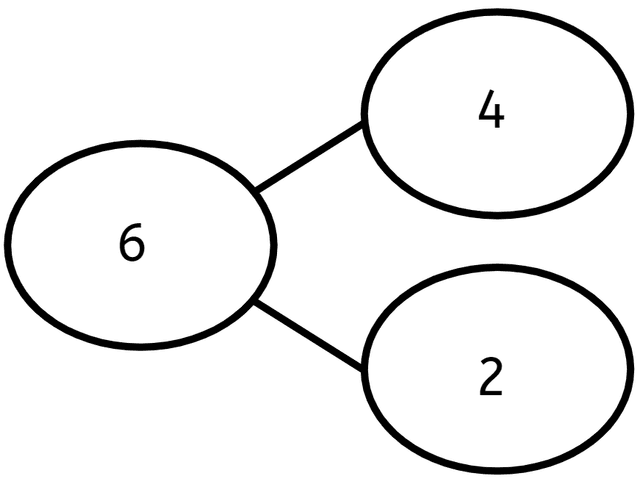
is a part
is the whole
is a part
Q5.Complete the sentence.
7 is a part, 3 is a . 10 is the whole.
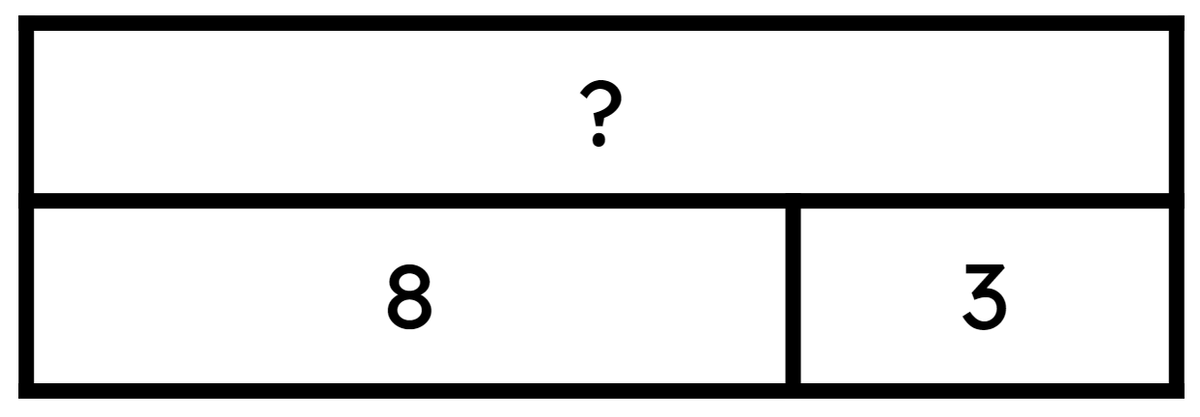
Q6.What is the missing whole in this bar model?
Assessment exit quiz
6 Questions
Q1.These whole shapes have been divided into parts. Match the shape with the number of parts.
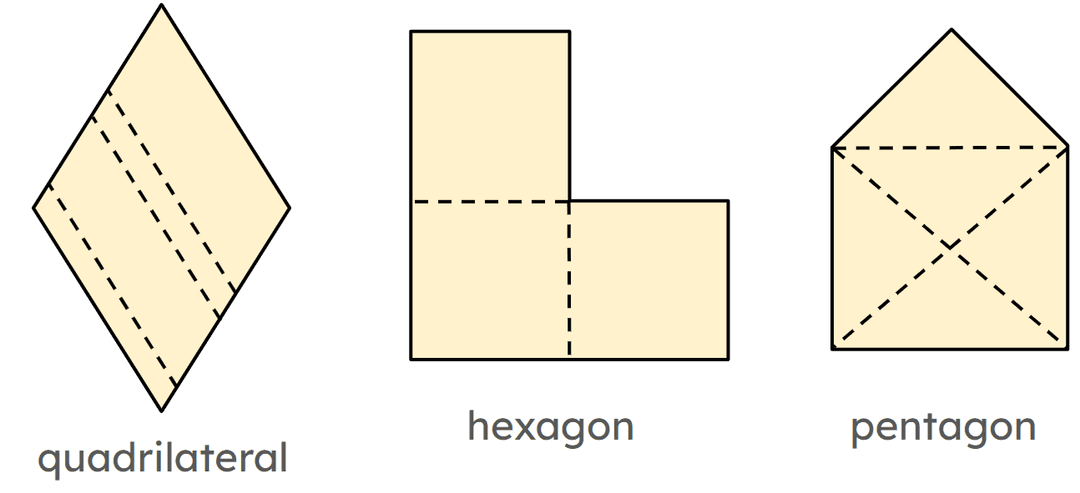
has been divided into 4 parts.
has been divided into 3 parts.
has been divided into 5 parts.
Q2.Shapes, objects and sets of objects can be divided into parts. Match the start and the end of the sentences correctly.
the parts are equal parts.
the parts are unequal parts.
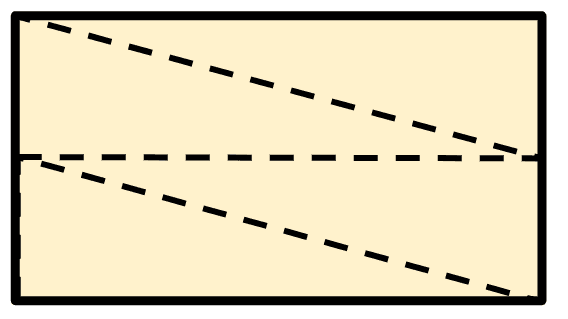
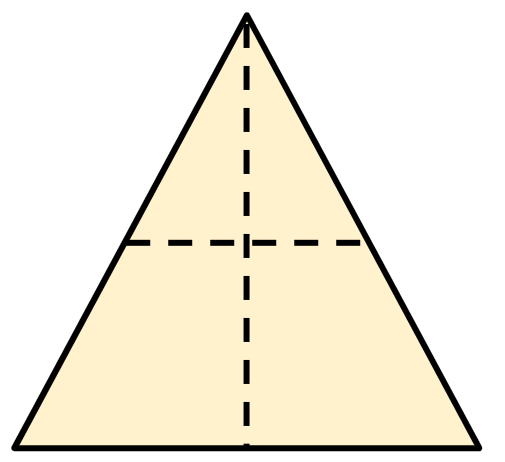
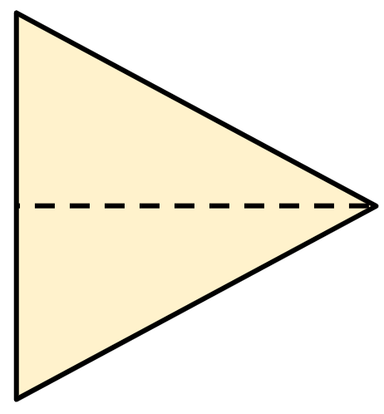
Q3.Which wholes have been divided into equal parts?
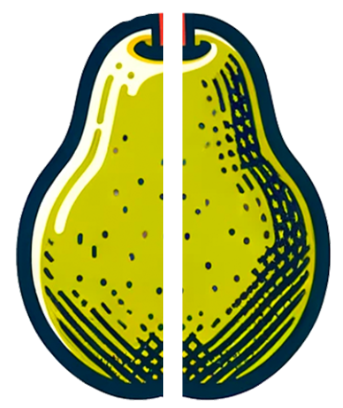
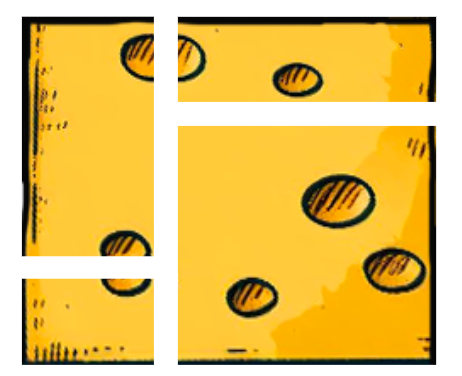

Q4.Which wholes have been divided into equal parts?
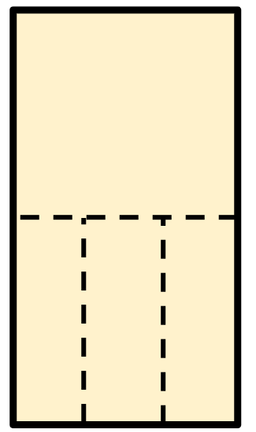
Q5.True or false. The whole number of cherries has been divided into equal parts.
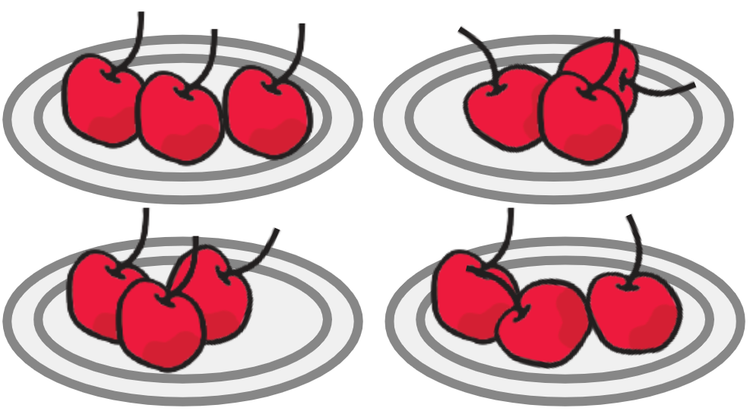
Q6.Look at the image. The whole has been divided into __________ parts.