Grouping micro-organisms
I can group micro-organisms based on similarities and differences.


- Year 6
Grouping micro-organisms
I can group micro-organisms based on similarities and differences.
Lesson details
Key learning points
- Scientists group micro-organisms to make it easier to identify, name and learn about them.
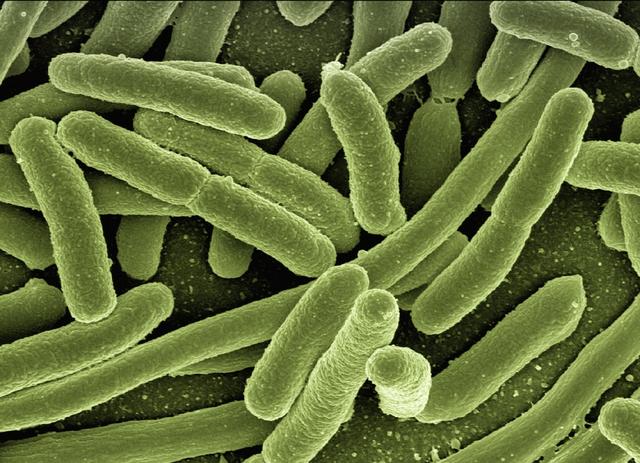
- There are different groups of micro-organisms such as viruses, bacteria and fungi, with different structures and shapes.
- Micro-organisms can be harmful or helpful.
- It is important to classify and group micro-organisms so that we can understand their uses and treatments.
Keywords
Micro-organism - A micro-organism is a very tiny living thing.
Bacteria - Bacteria are a type of micro-organism that can be found in all natural environments.
Virus - Viruses are a type of micro-organism.
Fungi - Fungi are organisms that include moulds, mushrooms, and yeasts. They feed on organic matter, usually from dead things.
Common misconception
Pupils may think that all micro-organisms are harmful and will cause us to become ill.
Explain that, while some micro-organisms can cause us harm, there are also many that are beneficial, such as those used in food production, water treatment or those living inside our digestive system.


Equipment

Content guidance
- Depiction or discussion of sensitive content

Supervision
Adult supervision recommended

Licence
Lesson video
Loading...
Prior knowledge starter quiz
6 Questions
Q1.What does it mean if something is harmful to us?
Q2.Which of these groups are not living things?
Q3.What is a micro-organism?
Q4.Scientists classify living things by comparing their observable characteristics. How can they see the observable characteristics of micro-organisms?
Q5.How do scientists classify living things into groups?
Q6.Which of these statements about micro-organisms is true?
Assessment exit quiz
6 Questions
Q1.Which of these is not a type of micro-organism?


Q2.Why do scientists classify micro-organisms?
Q3.Match the type of micro-organism to its description.

Q4.Which of these statements about viruses is correct?
Q5.Looking at its structure, which type of micro-organism is shown below?