Growing yeast: plan (non-statutory)
I can plan an investigation to find out about food sources for micro-organisms.


- Year 6
Growing yeast: plan (non-statutory)
I can plan an investigation to find out about food sources for micro-organisms.
Lesson details
Key learning points
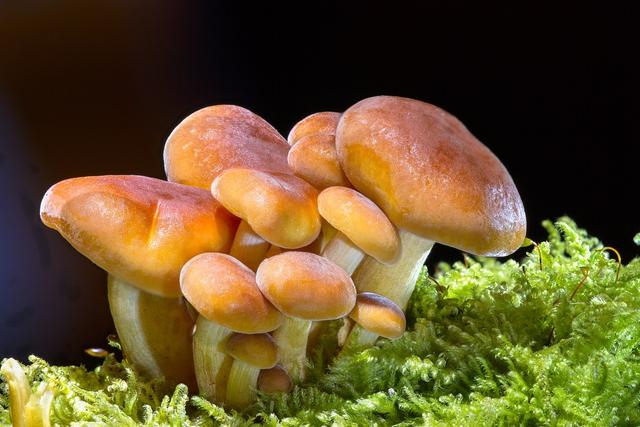
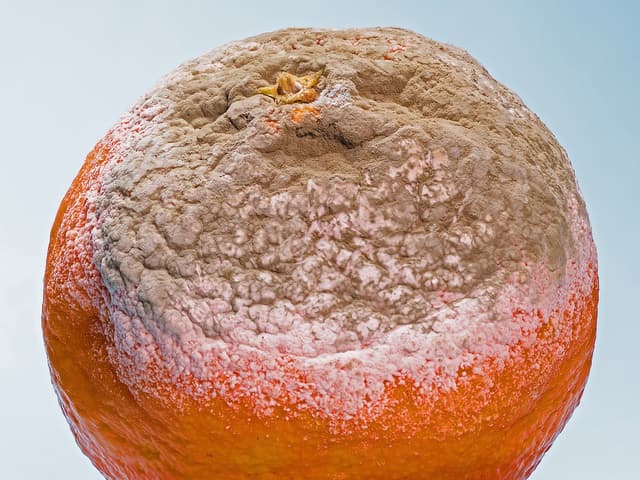
- Yeast is a type of fungus and can be grouped with other fungi including mould, mushrooms and truffles.
- Yeast is living and must get food from the surrounding environment to grow and reproduce.
- Yeast takes in nutrition from food and produces carbon dioxide gas.
- Yeast is a useful micro-organism used in beer and wine making, and baking.
- Scientists control variables during comparative test investigations to see the effect of changing one variable.
Keywords
Fungi - Fungi are organisms that include moulds, mushrooms, and yeasts. They feed on organic matter, usually from dead things.
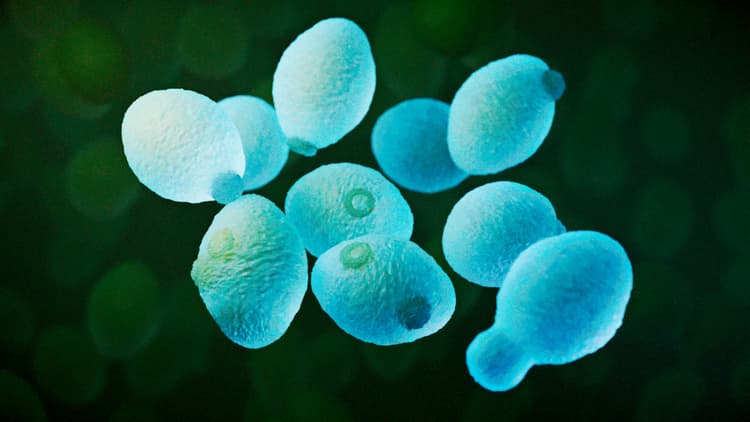
Yeast - Yeast is a type of fungus. It is a micro-organism used for making bread.
Carbon dioxide - Carbon dioxide is a type of gas.
Comparative test - In a comparative test, the thing that is being changed has labels, such as the types of materials.
Variables - A variable is something that can be changed, measured or kept the same in an investigation.
Common misconception
Pupils may think yeast is not a living thing because it doesn’t appear to have any of the characteristics of living things when we look at it dry straight from the packet.
Explain that yeast is a type of fungus so it is a living thing in the micro-organisms group. Throughout the lesson, reinforce the characteristics it has that makes it a living thing, such as its ability to grow and reproduce.


Equipment
Teachers may wish to have ready a set of equipment pupils could possibly use for carrying out their yeast investigation in Lesson 10 to help them make decisions about what they might need.

Licence
Lesson video
Loading...
Prior knowledge starter quiz
6 Questions
Q1.Which of these materials is a gas?

Q2.When a liquid fizzes and bubbles are formed, what is inside the bubbles?
Q3.All living things can reproduce. What does this mean?
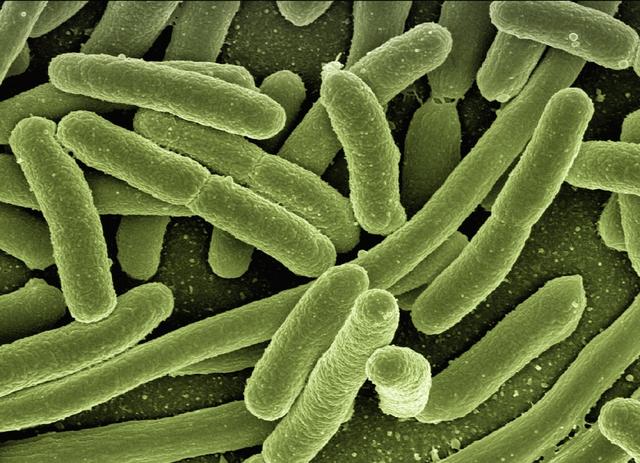
Q4.What are micro-organisms?
Q5.What is a comparative test enquiry?
Q6.Which of these statements about fungi are not correct?
Assessment exit quiz
6 Questions
Q1.Which of these is not a living thing?
Q2.Which of these living things is not a type of fungus?