


How and why we group plants
I can explain how plants can be grouped using observable characteristics.


- Year 6
How and why we group plants
I can explain how plants can be grouped using observable characteristics.
Lesson details
Key learning points
- Scientists group plants to make it easier to identify, name and learn about them.
- Plants can be divided into groups or 'classified' by looking at the similarities and differences between them.
- Generally, plant life can be broken up into flowering plants and non-flowering plants.
- Plants can be grouped according to if they do or do not produce seeds.
- We can create classification keys by asking a series of yes/no questions about the observable characteristics of plants.
Keywords
Classify - To classify things is to sort them into groups.
Flowering - Flowering plants reproduce by making seeds inside flowers.
Non-flowering - Non-flowering plants reproduce by making spores.
Seeds - Some plants reproduce by making seeds.
Spores - Some plants reproduce by making spores.
Common misconception
Pupils may think that all plants are green or that anything without a flower is not a plant.
Highlight the many examples of plants with different shapes, sizes and colours that are included in the lesson resources, reminding children that all of these are plants because they are living things that use the Sun’s light to make food.


Equipment
Clipboards

Content guidance
- Exploration of objects

Supervision
Adult supervision recommended

Licence
Lesson video
Loading...
Prior knowledge starter quiz
6 Questions
Q1.Match the part of the plant to its purpose.

Q2.In which part of the plant are seeds made?
Q3.When plants or animals make more of themselves it is called .
Q4.What do scientists use to classify living things into groups?
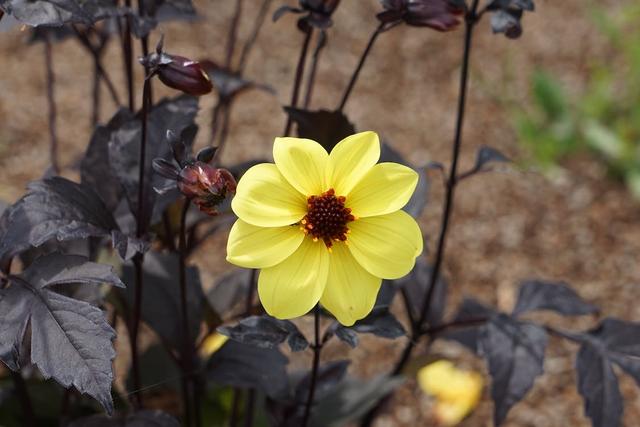
Q5.Which of these is not an observable characteristic of this plant?
Q6.Which of these can all living things do?
Assessment exit quiz
6 Questions
Q1.Plants can be divided into groups by looking at similarities and between them.
Q2.Scientists group and classify plants to make it easier to them.
Q3.We can create keys by asking a series of yes/no questions about the observable characteristics of plants.
Q4.Which of these are not groups we can classify plants into?
Q5.Match the plant to the way it reproduces.
