


New
New
Identifying the number of equal or unequal parts in a whole
I can identify the number of equal or unequal parts in a whole.


Lesson 2 of 5
New
New
- Year 4
Identifying the number of equal or unequal parts in a whole
I can identify the number of equal or unequal parts in a whole.
Lesson details
Key learning points
- The parts that make up a whole can be equal or unequal in size.
- The whole can be made of many parts, many parts can make the whole.
- We can describe the parts in the whole using the stem sentence: there are ___ equal/unequal parts in the whole.
Keywords
Equal - We say that two or more things are equal if they have the same quantity or value.
Unequal - We say that two or more things are unequal if they do not have the same quantity or value.
Common misconception
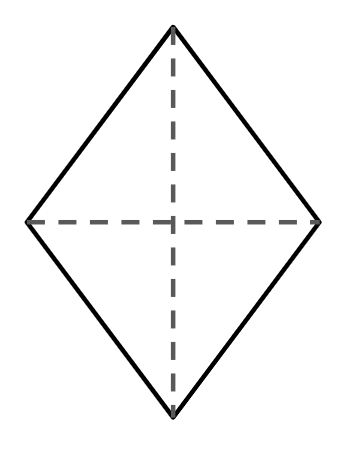
Sometimes parts can be deceptive and look equal but are in fact unequal. For example, a rhombus that has been split into parts with lines that are equally distributed.
Explore this further by presenting several examples like this if needed. You could ask the children to try and think of some examples where the parts look equal but are in fact unequal.
This could be a practical lesson - get children to split shapes up and group them into equal and unequal parts. Many children will benefit from doing it instead of seeing it.

Teacher tip

Licence
This content is © Oak National Academy Limited (2025), licensed on Open Government Licence version 3.0 except where otherwise stated. See Oak's terms & conditions (Collection 2).
Lesson video
Loading...
Prior knowledge starter quiz
6 Questions
Q1.A whole is always __________ than its parts when you are talking about fractions of a whole.
A whole is always __________ than its parts when you are talking about fractions of a whole.

smaller
less
wider
thinner
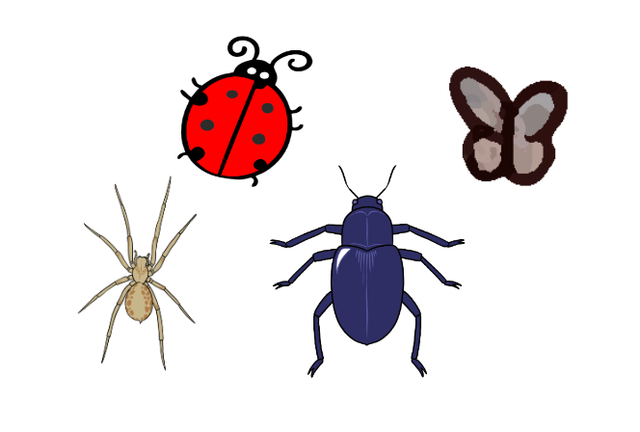
Q2.If the group of insects is the whole, then the butterfly is a of the whole.
If the group of insects is the whole, then the butterfly is a of the whole.
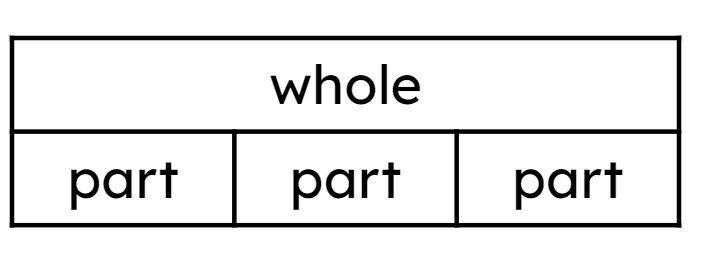
Q3.Look at the bar model. How many parts are there? There are parts.
Look at the bar model. How many parts are there? There are parts.
Q4.Which words could complete the sentence: if Europe is the whole then __________ is a part of the whole.
Which words could complete the sentence: if Europe is the whole then __________ is a part of the whole.
Australia
The Sun
Thailand
Q5.Look at these groups of counters. Which groups have an equal amount of counters?
Look at these groups of counters. Which groups have an equal amount of counters?
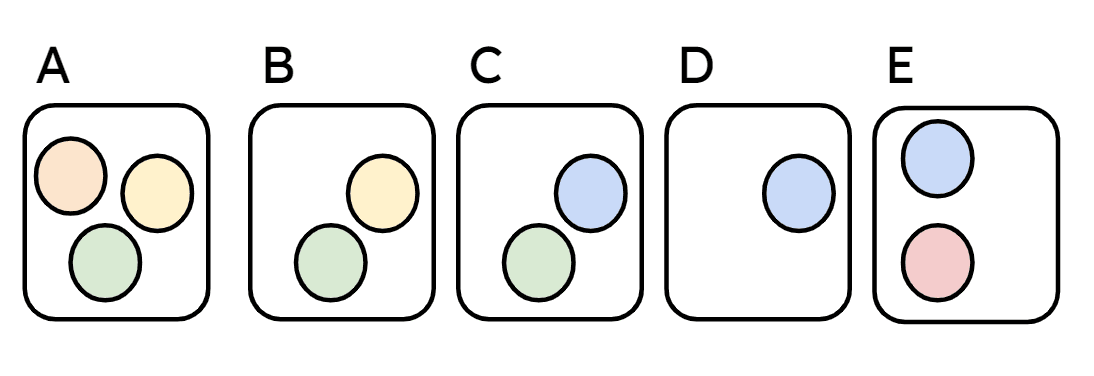
A
D
Q6.Which of these statements could be correct?
Which of these statements could be correct?
If animals are the whole then a banana is a part of the whole.
If animals are the whole then a field is a part of the whole.
Assessment exit quiz
6 Questions
Q1.The parts that make up a whole can be or unequal in size.
The parts that make up a whole can be or unequal in size.
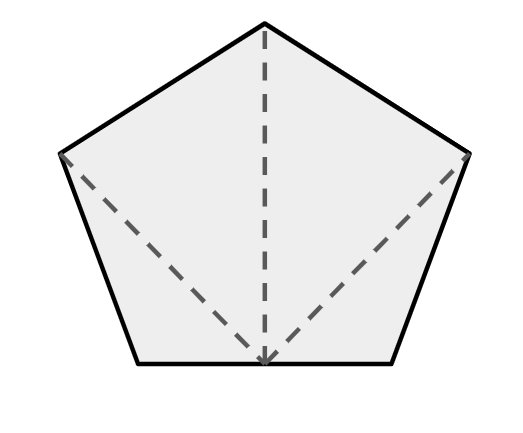
Q2.Look at this image. How many parts is the whole made from?
Look at this image. How many parts is the whole made from?
Q3.Look at the whole shapes. Which shapes are made from three parts?
Look at the whole shapes. Which shapes are made from three parts?
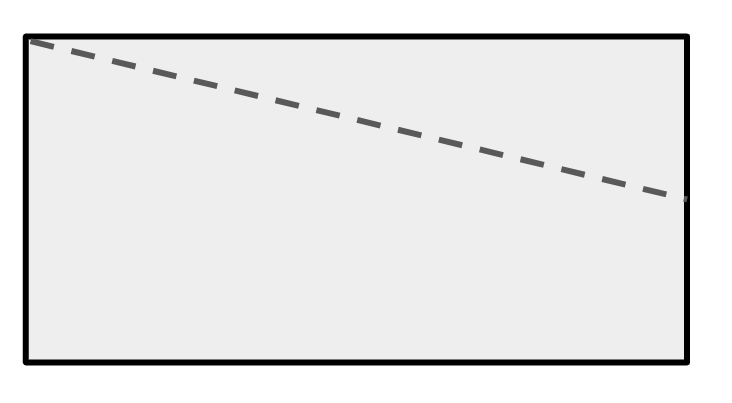
A
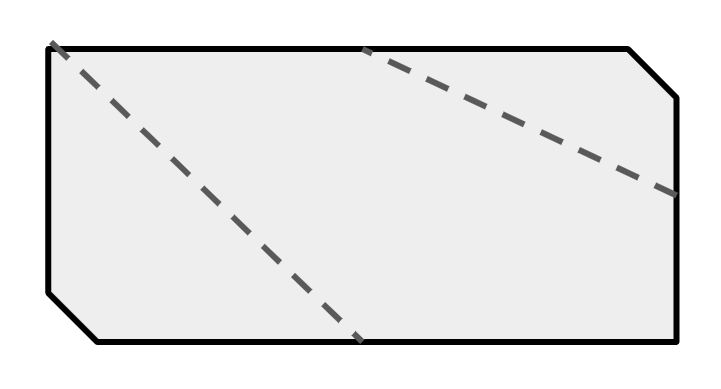
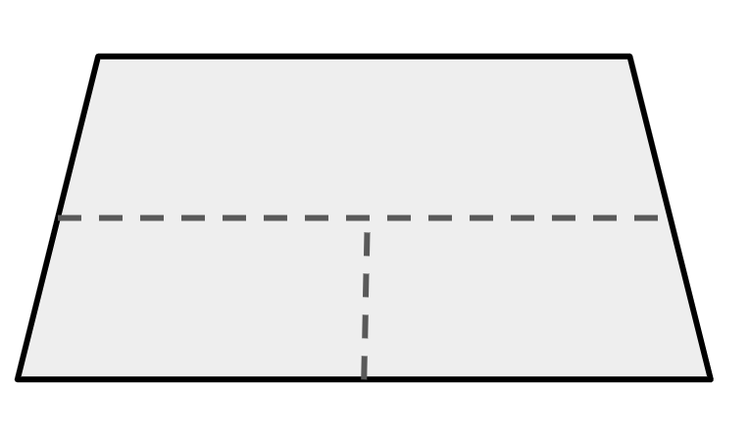
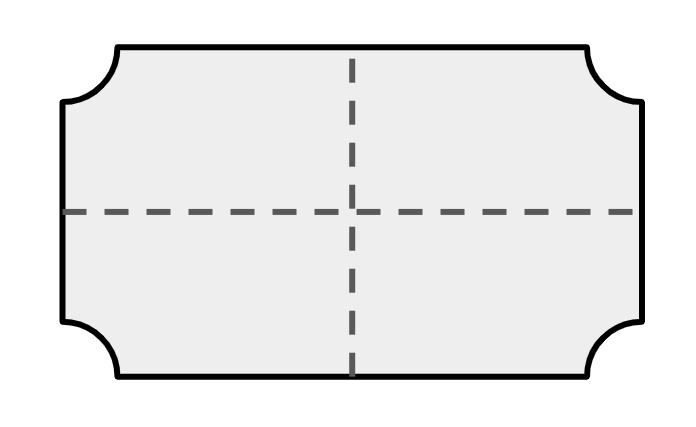
D
Q4.Look at the shape and complete the sentence: The whole has been divided into four parts.
Look at the shape and complete the sentence: The whole has been divided into four parts.
Q5.Which sentence accurately describes this line?
Which sentence accurately describes this line?
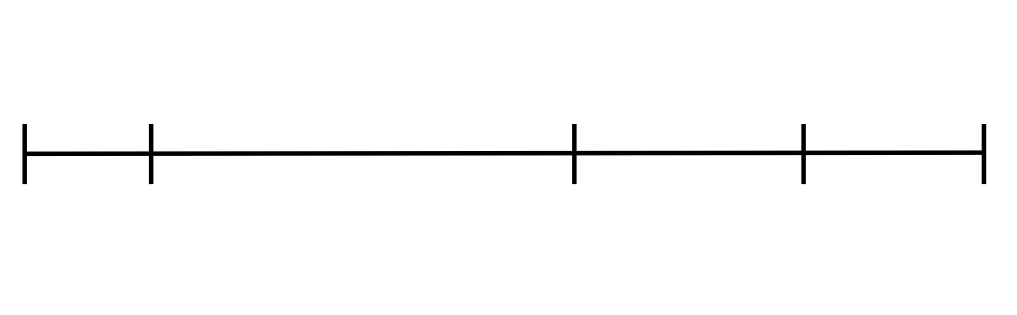
The whole line has been divided into four equal parts.
The whole line has been divided into five equal parts.
The whole line has been divided into five unequal parts.
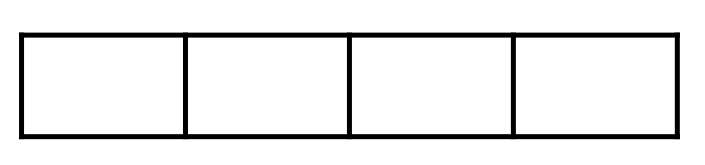
Q6.Look at these strips of paper. Whose strip has been divided into four unequal parts?
Look at these strips of paper. Whose strip has been divided into four unequal parts?

Andeep

Izzy

Jacob
