


Insulin and the control of blood sugar level
I can describe the role of the hormone insulin in controlling blood sugar level.


- Year 10
- AQA
Insulin and the control of blood sugar level
I can describe the role of the hormone insulin in controlling blood sugar level.
Lesson details
Key learning points
- If conditions in the body change too much this can be dangerous to our health (e.g. enzymes).
- Homeostasis is the regulation of internal conditions for optimum enzyme activity.
- Glucose travels in the blood plasma and is delivered to cells for aerobic respiration.
- The hormone insulin helps to keep human blood sugar level constant.
- The pancreas secretes insulin when blood sugar level is too high; it causes liver cells to convert glucose to glycogen.
Keywords
Homeostasis - homeostasis is the regulation of the internal conditions to maintain optimum conditions for enzyme action and all cell functions
Respiration - a chemical reaction in living organisms that releases energy from glucose
Insulin - a hormone secreted by the pancreas when blood glucose is too high, lowering blood glucose levels
Glucose - a sugar that travels in the blood and is supplied to cells for respiration
Glycogen - a stored form of glucose found in liver and muscle cells
Common misconception
Not linking the idea that glucose concentration is important for cellular respiration, even during times of rest.
There are a selection of slides in LC2 that specifically link glucose and respiration and discuss the idea of respiration occurring during rest.


Equipment
None required.

Licence
Lesson video
Loading...
Prior knowledge starter quiz
6 Questions
Q1.What is the name of the sugar that is a reactant for respiration?
Q2.Which of the following is a biological catalyst?
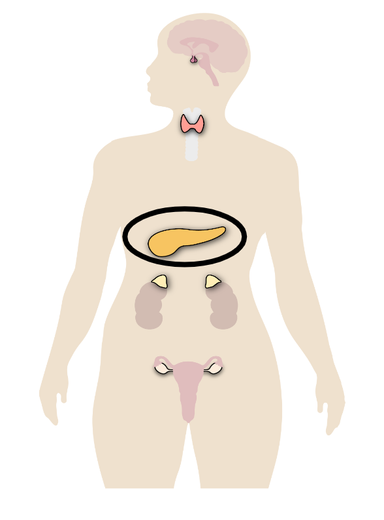
Q3.Which gland in the endocrine system is circled in this image?
Q4.Match the activity to the effect it has on blood glucose concentration.

