


New
New
Make a tonal study of a robot sculpture
I can create a tonal study of a sculpture.


Lesson 6 of 6
New
New
- Year 3
Make a tonal study of a robot sculpture
I can create a tonal study of a sculpture.
Lesson details
Key learning points
- Creating a tonal study involves sketching lightly and using shading techniques, like cross-hatching.
- Cross-hatching is a shading technique where you draw lines in one direction, then add another set crossing over them.
- Overlapping objects, varying height, and adding background elements make a composition more engaging.
Keywords
Sketch/sketching - making quick and simple drawings to show ideas or the things we see
Shade/shading - drawn marks to show areas of light and dark
Tone - how light or dark something is
Cross-hatching - drawing lines that cross over each other and are placed close together
Composition - is the combination of a selection of elements arranged and organised
Common misconception
Some children might think cross-hatching is just drawing straight lines to create shading.
Show pupils different examples of cross-hatching and allow time to practise other shading techniques.
Encourage students to experiment with different line directions and thicknesses when cross-hatching. Remind them that the closer the lines are together, the darker the shading will appear. Offer support by demonstrating how cross-hatching can be used on different parts of the robot.

Teacher tip

Equipment
robot sculptures, mark-making media

Licence
This content is © Oak National Academy Limited (2026), licensed on Open Government Licence version 3.0 except where otherwise stated. See Oak's terms & conditions (Collection 2).
Lesson video
Loading...
Prior knowledge starter quiz
6 Questions
Q1.Tone is how light or dark something is. Select the darkest tone.
Tone is how light or dark something is. Select the darkest tone.
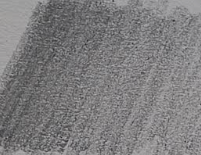
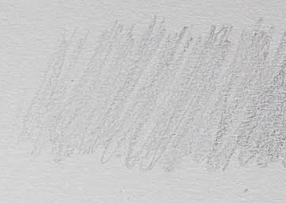
Option 2
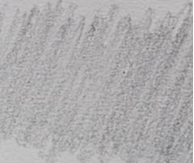
Option 3
Q2.Which details should you focus on when refining a sculpture?
Which details should you focus on when refining a sculpture?
the size of the sculpture
Q3.Put the steps for creating a sketch in the correct order.
Put the steps for creating a sketch in the correct order.
Q4.What is this joining technique called?
What is this joining technique called?

gluing
slotting
stacking
Q5. your final sculpture to your maquette helps to reflect on what worked well and what could be improved.
your final sculpture to your maquette helps to reflect on what worked well and what could be improved.
Joining
Gluing
Q6.Match the word to the definition.
Match the word to the definition.

Assessment exit quiz
6 Questions
Q1.Composition is the and organisation of a selection of elements.
Composition is the and organisation of a selection of elements.
tone
background
Q2.Put the steps for creating a tonal study in the correct order.
Put the steps for creating a tonal study in the correct order.
Q3.Complete the sentence: Adding tone makes a drawing more realistic and ...
Complete the sentence: Adding tone makes a drawing more realistic and ...
colourful.
imaginative.
smooth.
Q4.We can describe the range of tones by using the terms dark tone, and light tone.
We can describe the range of tones by using the terms dark tone, and light tone.
Q5.What is this shading technique called?
What is this shading technique called?
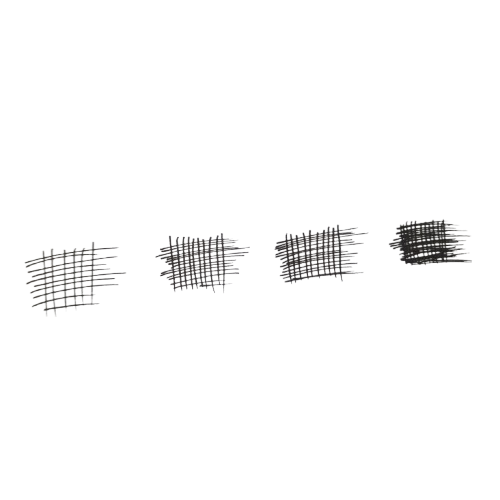
scribbling
colouring
Q6.Match the word to its definition.
Match the word to its definition.
