


Micro-organisms living on food: review (non-statutory)
I can observe and describe what happens when food is left to decompose over time.


- Year 6
Micro-organisms living on food: review (non-statutory)
I can observe and describe what happens when food is left to decompose over time.
Lesson details
Key learning points
- Mould is a type of fungus and can be grouped with other fungi including yeast, mushrooms, lichens, and truffles.
- Mould can be observed and measured growing on food over time, following strict safety rules.
- Scientists present data in a variety of ways to help them form conclusions.
- Mould growth can be slowed or prevented in different ways, such as dehydration, refrigeration and adding preservatives.
Keywords
Mould - Mould is a type of fungi which grows and forms a fuzzy coating on organic matter.
Micro-organism - A micro-organism is a very tiny living thing.
Fungi - Fungi are organisms that include moulds, mushrooms, and yeasts. They feed on organic matter, usually from dead things.
Conclusion - In a conclusion, scientists explain what the results show or mean.
Data - Data is information collected during an investigation. It may be numbers, symbols, pictures or text.
Common misconception
Pupils may not consider mould to be a living thing because it does not move in the ways we are familiar with animals moving.
Remind pupils that all living things grow, reproduce and move, and that mould can do all of these things. It is a type of fungus that is a living thing and part of the micro-organisms group.


Equipment
Mouldy food set up as part of lesson 6 in this unit (optional, but preferred).

Content guidance
- Risk assessment required - equipment
- Exploration of objects

Supervision
Adult supervision required

Licence
Lesson video
Loading...
Prior knowledge starter quiz
6 Questions
Q1.What is a conclusion?

Q2.Which of these types of diagram is a line graph?
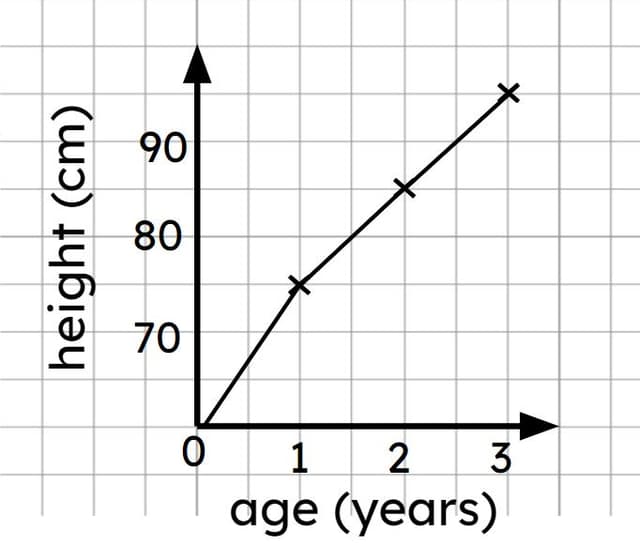
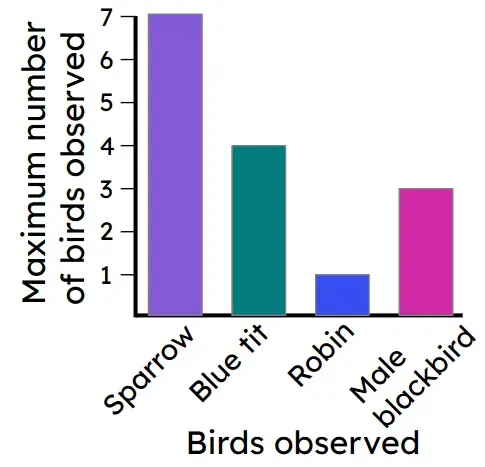

Q3.This type of diagram is called a graph.

