


New
New
Multiply a 2-digit number by a 1-digit number using partitioning and representations (one regroup)
I can use an array to represent multiplication and use place value in an array to represent multiplication of a 2-digit number


Lesson 1 of 10
New
New
- Year 5
Multiply a 2-digit number by a 1-digit number using partitioning and representations (one regroup)
I can use an array to represent multiplication and use place value in an array to represent multiplication of a 2-digit number
Lesson details
Key learning points
- Partitioning allows us to multiply the tens and then the ones and recombine the products.
- The grid can represent the array.
- Multiply the ones and tens separately and recombine.
Keywords
Array - An array is the layout of items (such as objects, numbers, etc.) arranged in rows and/or columns.
Product - The result of two or more values multiplied together.
Regroup - The process of unitising and exchanging between place values is known as regrouping.
Common misconception
Pupils may not regroup correctly if they do not understand the place value of digits in a factor.
Encourage pupils to use the stem sentences / array to identify when they may need to regroup.
Using base ten blocks to represent a multiplication equation initially is useful and all pupils should have access to this representation.

Teacher tip

Licence
This content is © Oak National Academy Limited (2025), licensed on Open Government Licence version 3.0 except where otherwise stated. See Oak's terms & conditions (Collection 2).
Lesson video
Loading...
Prior knowledge starter quiz
6 Questions
Q1.The number 17 can be partitioned into 1 ten and ones.
The number 17 can be partitioned into 1 ten and ones.
Q2.The number 59 can be partitioned into tens and 9 ones.
The number 59 can be partitioned into tens and 9 ones.
Q3.The answer when two or more values are multiplied together is called a .
The answer when two or more values are multiplied together is called a .
factor
sum
answer
Q4.Look at the image. What is the name given to the numbers shown by the arrows?
Look at the image. What is the name given to the numbers shown by the arrows?
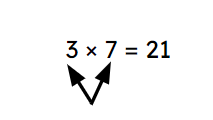
products
sum
Q5.Select the array which shows 3 x 4
Select the array which shows 3 x 4
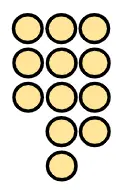
Pic 1
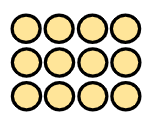
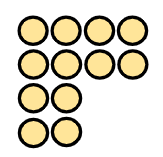
Pic 3
Q6.Look at the array. What does it represent?
Look at the array. What does it represent?
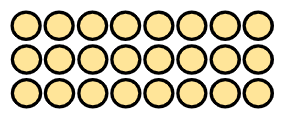
7 x 3
3 x 7
3 x 9
Assessment exit quiz
6 Questions
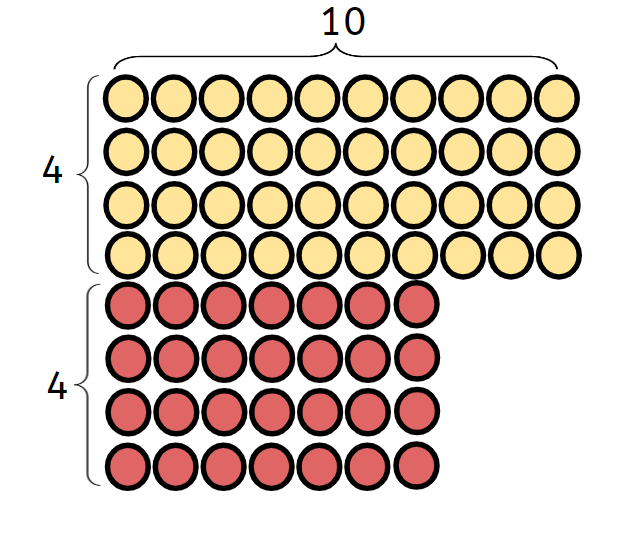
Q1.Which array shows 3 × 18?
Which array shows 3 × 18?
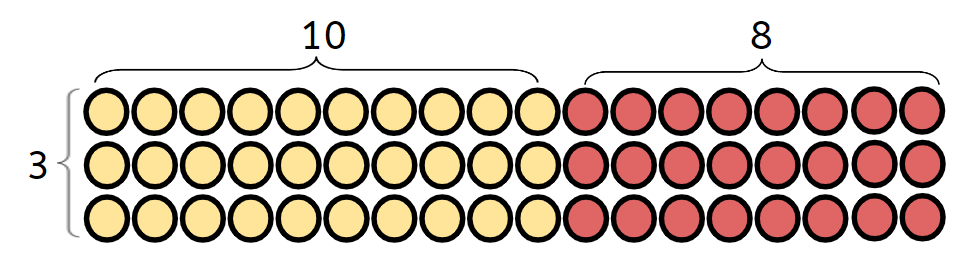
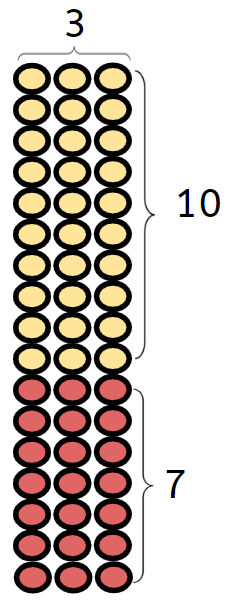
pic 2
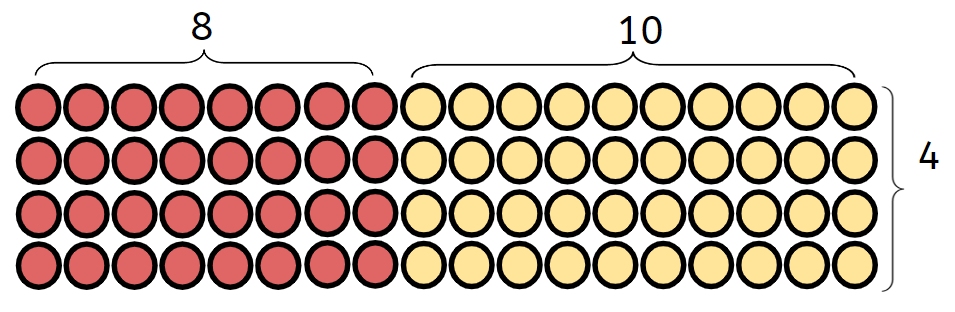
pic 3
pic 4
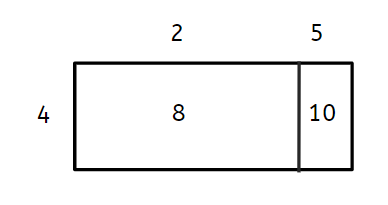
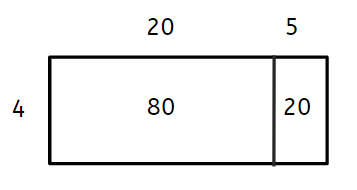
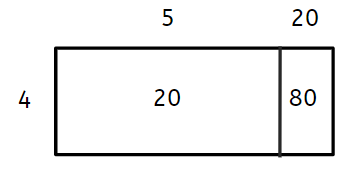
Q2.Which grid represents the multiplication fact 25 × 4?
Which grid represents the multiplication fact 25 × 4?
pic 1
pic 3
Q3.Which multiplication is represented by this grid model?
Which multiplication is represented by this grid model?
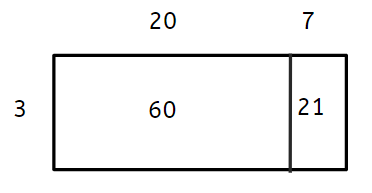
23 × 7
207 × 3
7 × 203
Q4.Match the question with the amount of regrouping.
Match the question with the amount of regrouping.

Q5.Select the correct multiplication equation for the following word problem: Lucas is preparing party packs. He has 8 packets of 32 pens. How many pens does he have altogether?
Select the correct multiplication equation for the following word problem: Lucas is preparing party packs. He has 8 packets of 32 pens. How many pens does he have altogether?
32 + 8
8 + 32
8 × 30
Q6.Lucas is preparing for a party, he needs a box of sweets which has more than 120 sweets but less than 160. Which box should he choose?
Lucas is preparing for a party, he needs a box of sweets which has more than 120 sweets but less than 160. Which box should he choose?
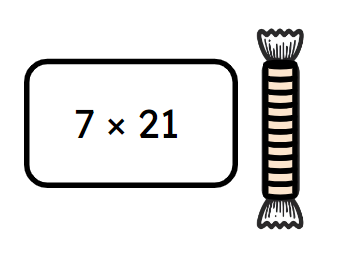
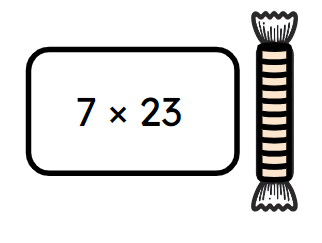
27 × 23
