Renewable sources of energy
I can identify the advantages and disadvantages of renewable sources of energy, and form an opinion about their relative merits.


- Year 5
Renewable sources of energy
I can identify the advantages and disadvantages of renewable sources of energy, and form an opinion about their relative merits.
Lesson details
Key learning points
- Renewable sources of energy include solar, wind, wave and tidal energy, biomass, hydro-electric and geothermal energy.
- Different forms of renewable energy have advantages and disadvantages.
- Renewable energy sources can contribute to reducing carbon emissions.
- Some countries like Iceland and Costa Rica get nearly all their energy from renewable sources.
Keywords
Renewable energy - Renewable energy is sources of energy that can be re-used and will not be used up or run out.
Carbon emissions - Carbon emissions are the release of carbon into the air and atmosphere around us.
Hydro-electric - Hydro-electric power generates electricity by using water.
Biomass - Biomass is organic (natural) material that can be used as fuel.
Common misconception
Renewable energy sources are 'free'.
There are significant costs involved in setting up and maintaining renewable sources of energy.


Licence
Lesson video
Loading...
Prior knowledge starter quiz
6 Questions
Q1.Which of the following is not a renewable source of energy?

Q2.In 2021, what percentage of global energy used did not come from fossil fuels?
Q3.How do greenhouse gases cause Earth to become warmer?
Q4.Which gas does not contribute to global warming?
Q5.Which gas is not emitted when burning fossil fuels?
Q6.Which of the following would help to reduce climate change?
Assessment exit quiz
6 Questions
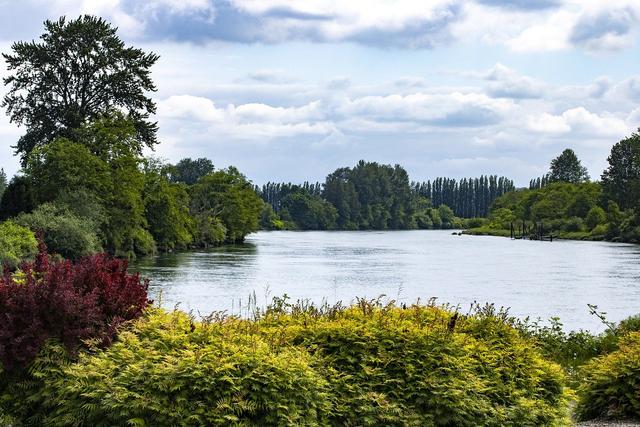
Q1.Which photograph shows hydro-electric power?
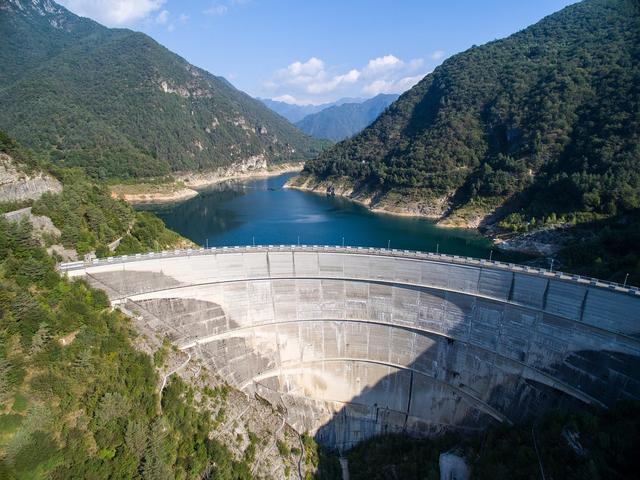

Q2.What does a wind turbine do?
Q3.What renewable energy source is burned to create electricity?
Q4.Which of the following is a con of wind power?
Q5.Which environment would be good for producing solar power?