New
New
Review constructing a whole when given a part and the number of parts
I can construct a whole when given a part and the number of parts.


Lesson 5 of 5
New
New
- Year 4
Review constructing a whole when given a part and the number of parts
I can construct a whole when given a part and the number of parts.
Lesson details
Key learning points
- When constructing a whole, you can start with the part.
- To construct a whole, you need to know how many parts make it up and whether those parts are equal.
- The whole can be one shape or a group of objects
- Different shaped wholes can be constructed using the same shaped equal parts.
Keywords
Whole - The whole is all the parts or everything, the total amount.
Part - A part is some, but not all, of the whole.
Construct - Constructing something involves making something by joining parts together.
Common misconception
Children may not include the original part when constructing a whole. E.g. if the given part is one of four equal parts of the whole, they may construct five parts together in total.
How many parts does your whole have?
This should be a practical lesson where possible - '2D' shapes can be used or piece of paper cut up.

Teacher tip

Licence
This content is © Oak National Academy Limited (2025), licensed on Open Government Licence version 3.0 except where otherwise stated. See Oak's terms & conditions (Collection 2).
Lesson video
Loading...
Prior knowledge starter quiz
6 Questions
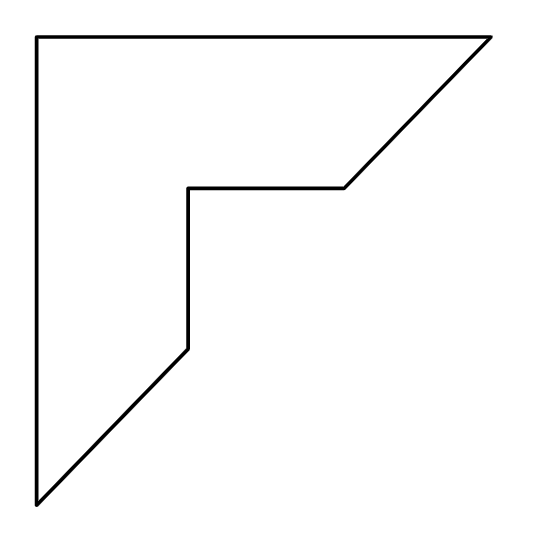
Q1.What is the name of this shape?
What is the name of this shape?
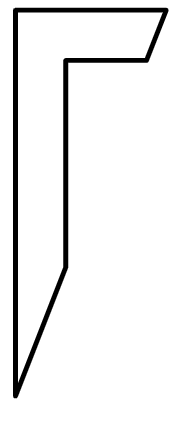
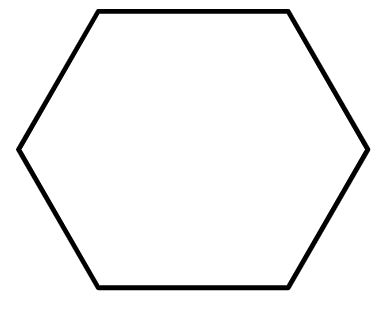
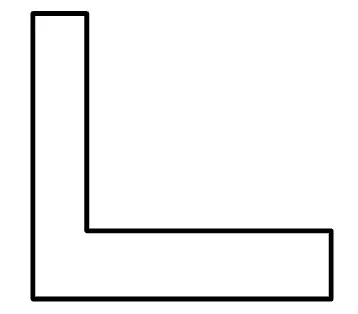
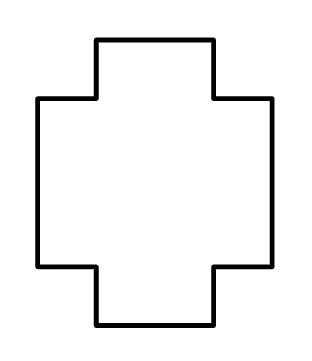
Q2.Which shape is the odd one out because it is not the same polygon as the others?
Which shape is the odd one out because it is not the same polygon as the others?
A
B
C
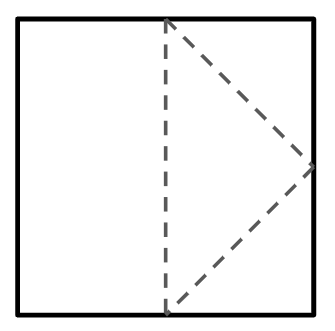
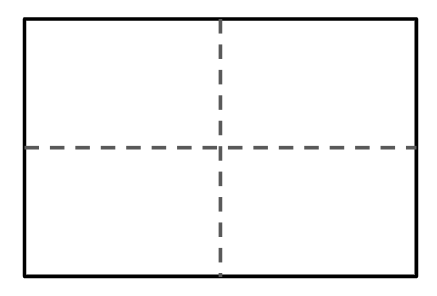
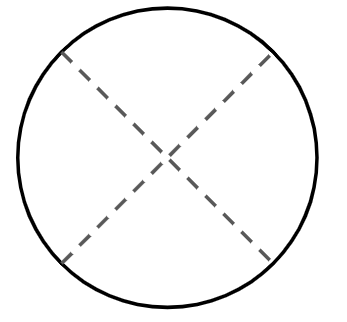
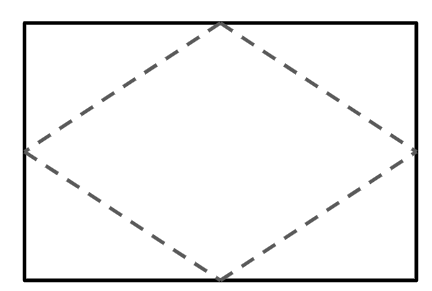
Q3.Look at the whole shapes. Which shapes are made from four equal-sized parts?
Look at the whole shapes. Which shapes are made from four equal-sized parts?
A
D
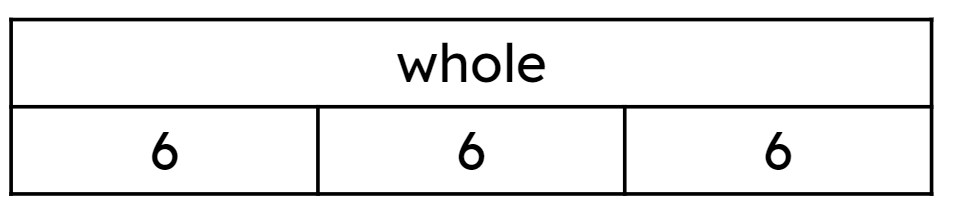
Q4.Complete the bar model by calculating the whole.
Complete the bar model by calculating the whole.
Q5.Match the equation to its product.
Match the equation to its product.

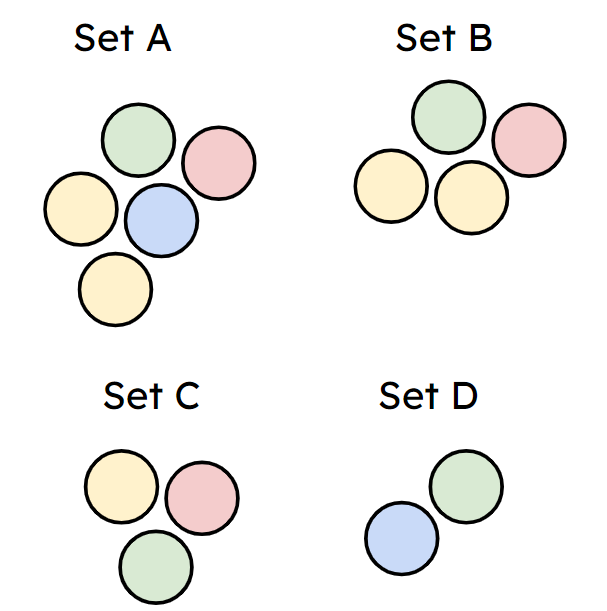
Q6.Look at these sets of marbles. Out of all the sets, in which one is the green marble the greatest part of the whole?
Look at these sets of marbles. Out of all the sets, in which one is the green marble the greatest part of the whole?
Set A
Set B
Set C
Assessment exit quiz
6 Questions
Q1.Look at these shapes and their parts. Which shape is the odd one out, thinking about the parts and wholes?
Look at these shapes and their parts. Which shape is the odd one out, thinking about the parts and wholes?
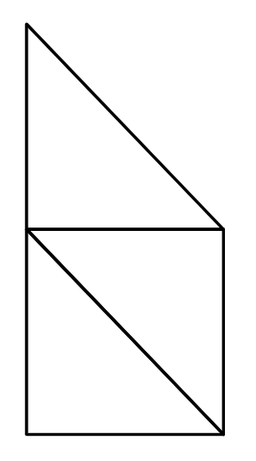
A
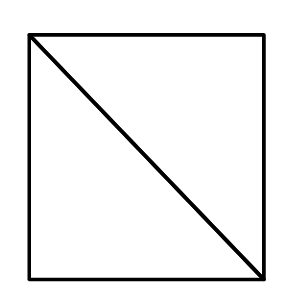
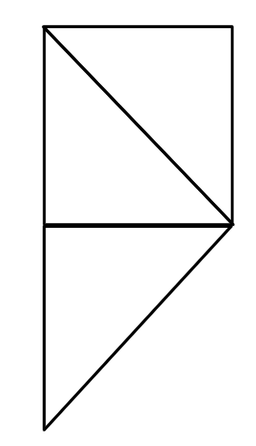
C
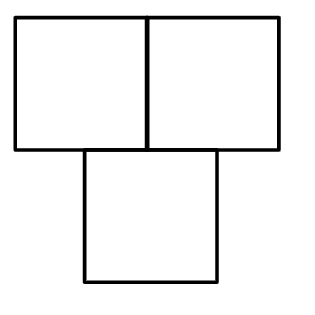
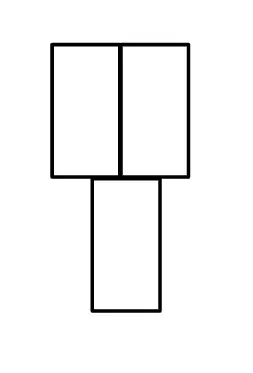
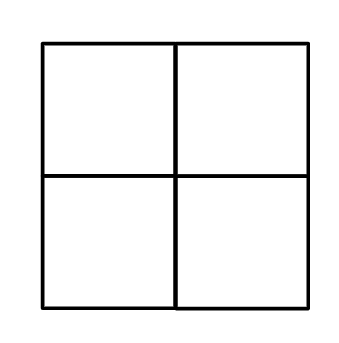
Q2.Look at the given part of a shape. This is one part of a whole made out of three equal parts. Which is a correct shape?
Look at the given part of a shape. This is one part of a whole made out of three equal parts. Which is a correct shape?
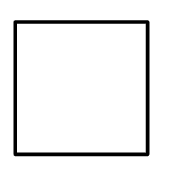
B
C
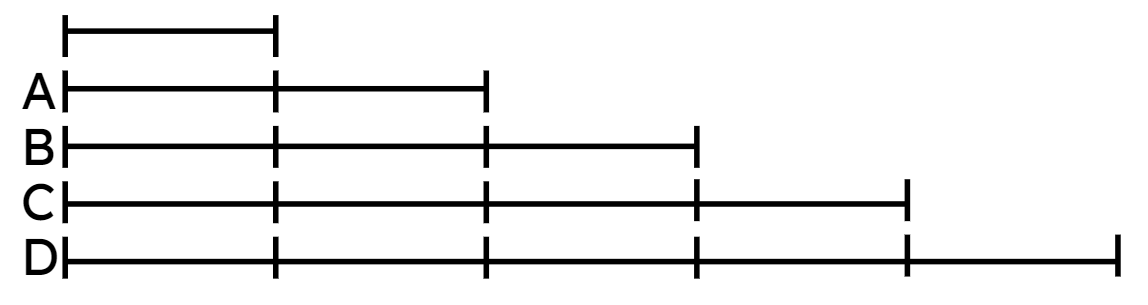
Q3.Look at the given line segment - this is one part of four equal parts. Which is the correct whole line?
Look at the given line segment - this is one part of four equal parts. Which is the correct whole line?
A
B
D
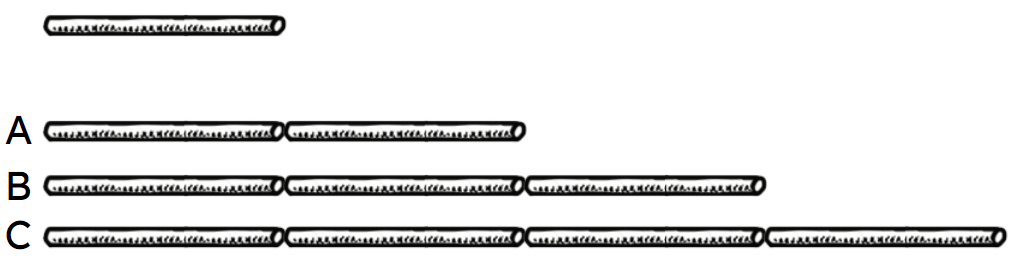
Q4.Izzy has a length of string that she cuts into four equal parts. The image shows one of her parts. How long was her string to start with?
Izzy has a length of string that she cuts into four equal parts. The image shows one of her parts. How long was her string to start with?
A
B
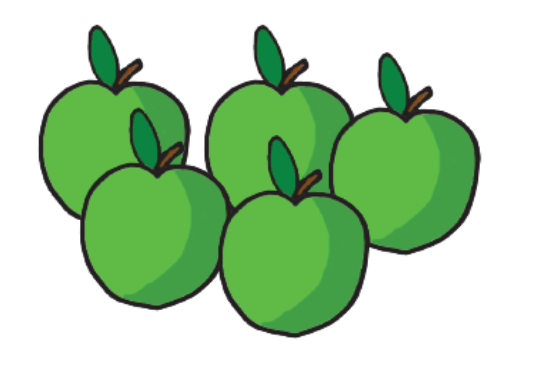
Q5.A grocer has divided his apples into three equal groups ready to pack them into boxes. Here is one group. How many apples did the grocer have?
A grocer has divided his apples into three equal groups ready to pack them into boxes. Here is one group. How many apples did the grocer have?
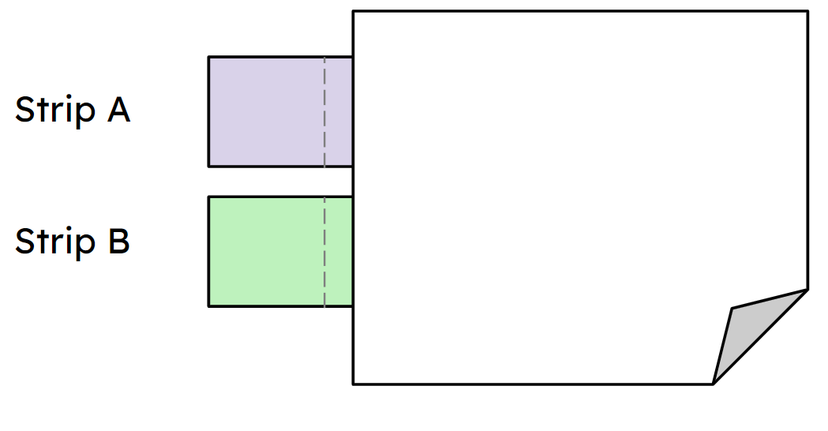
Q6.Strip A is made up of 2 equal parts. Strip B is made up of 3 equal parts. Which strip is the longest?
Strip A is made up of 2 equal parts. Strip B is made up of 3 equal parts. Which strip is the longest?