


New
New
Review explaining the size of the part in relation to the whole
I can explain the size of the part in relation to the whole.


Lesson 4 of 5
New
New
- Year 4
Review explaining the size of the part in relation to the whole
I can explain the size of the part in relation to the whole.
Lesson details
Key learning points
- If the whole is the same, then two parts can be compared directly.
- If the whole increases whilst the part stays the same, then the part becomes a smaller part of the whole.
- If the whole decreases whilst the part stays the same, then the part becomes a bigger part of the whole.
- Part and whole need consideration when judging whether a relatively large or small part of the whole is identified.
Keywords
Whole - The whole is all the parts or everything, the total amount.
Part - A part is some, but not all, of the whole.
Common misconception
Children may struggle to understand that parts change size when the whole changes. A relative size of a part that stays the same whilst the whole changes is a tricky concept.
What do you notice? What is the same? What is different?
Use plenty of real practical examples here. The lesson can be adapted and different contexts chosen to engage the children in your setting.

Teacher tip

Licence
This content is © Oak National Academy Limited (2025), licensed on Open Government Licence version 3.0 except where otherwise stated. See Oak's terms & conditions (Collection 2).
Lesson video
Loading...
Prior knowledge starter quiz
6 Questions
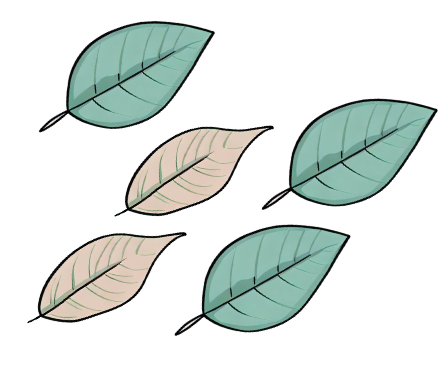
Q1.Look at this group of leaves - some are the same colour and shape. Based on this, how many parts make up the whole group? There are parts.
Look at this group of leaves - some are the same colour and shape. Based on this, how many parts make up the whole group? There are parts.

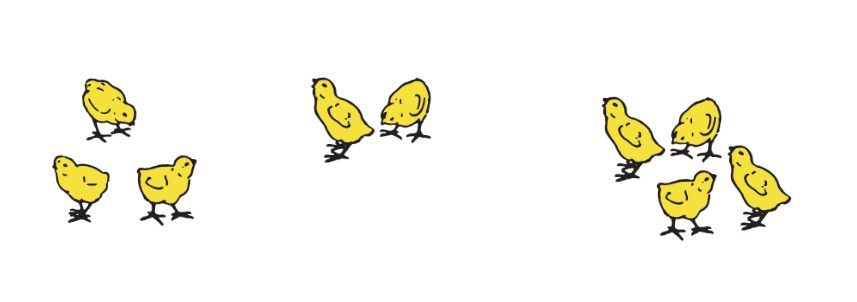
Q2.Look at the image then complete the sentence. The parts are __________. I know this because the number of chicks in each group is not the same.
Look at the image then complete the sentence. The parts are __________. I know this because the number of chicks in each group is not the same.
equal
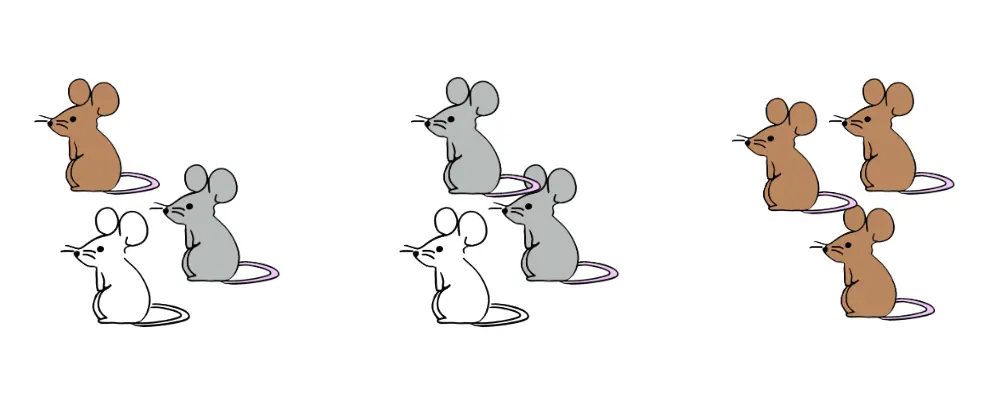
Q3.Look at the image then complete the sentence. The number of mice in each group is __________. This means that the parts are equal.
Look at the image then complete the sentence. The number of mice in each group is __________. This means that the parts are equal.
different
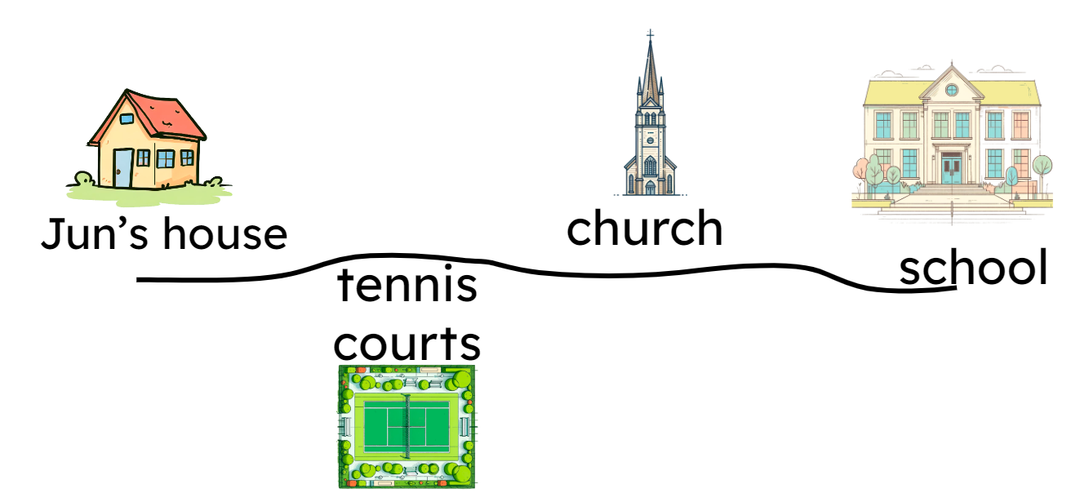
Q4.Look at the image and complete the sentence. If the distance from Jun’s house to the school is the whole, then the distance from Jun’s house to the church is a of the whole.
Look at the image and complete the sentence. If the distance from Jun’s house to the school is the whole, then the distance from Jun’s house to the church is a of the whole.
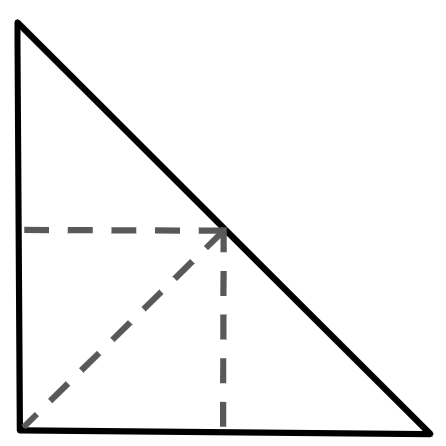
Q5.Look at the shape and complete the sentence: The whole has been divided into four parts.
Look at the shape and complete the sentence: The whole has been divided into four parts.
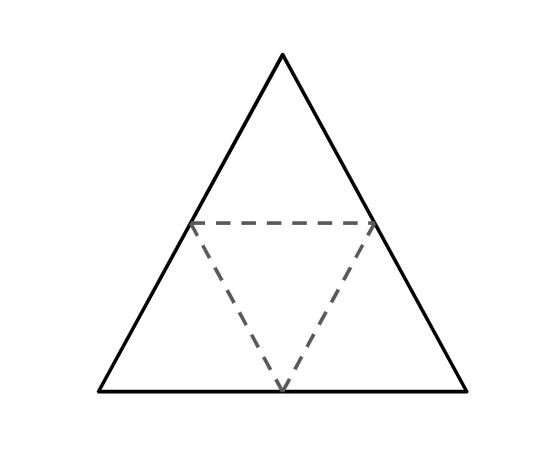
Q6.Look at the whole shapes. Which shapes are made from four equal-sized parts?
Look at the whole shapes. Which shapes are made from four equal-sized parts?
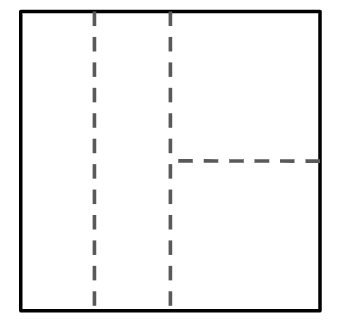
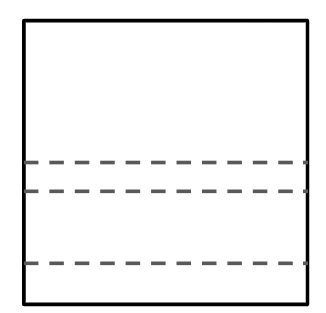
B
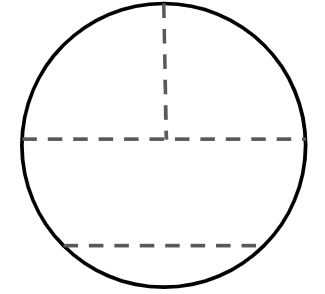
C
Assessment exit quiz
6 Questions
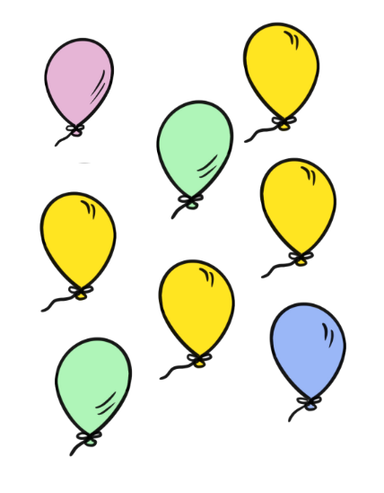
Q1.Look at this image then complete the sentence: The __________ balloons make up the greater part of the whole.
Look at this image then complete the sentence: The __________ balloons make up the greater part of the whole.
red
green
blue
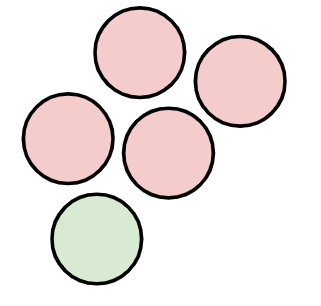
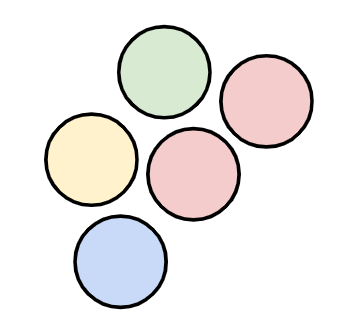
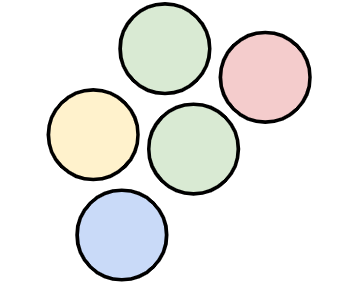
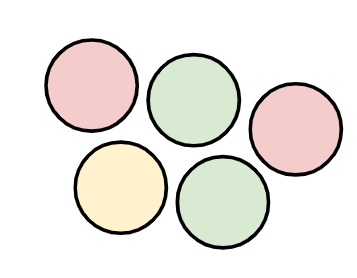
Q2.Look at the sets of counters. In which set are the red counters the greater part of the whole?
Look at the sets of counters. In which set are the red counters the greater part of the whole?
B
C
D
Q3.Look at the sets of counters. In which set are the red counters the smallest part of the whole?
Look at the sets of counters. In which set are the red counters the smallest part of the whole?
A
C
D
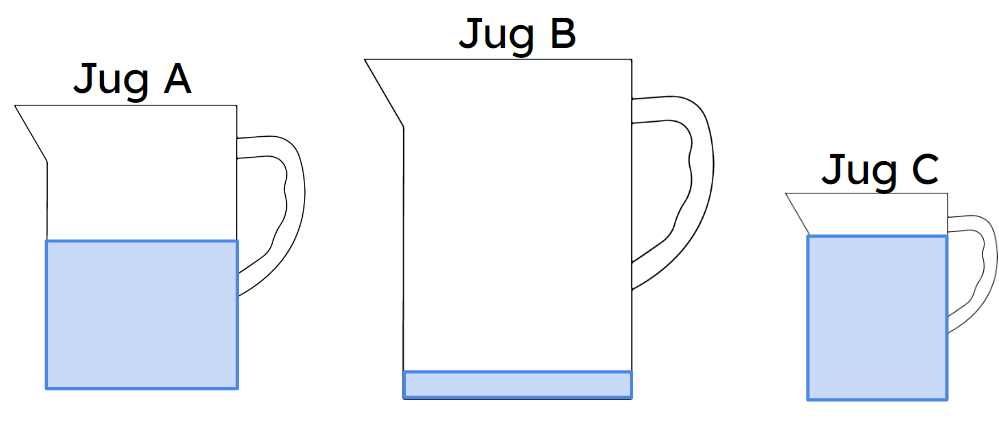
Q4.These jugs all contain 250 ml of water. Starting with the jug of water that represents the greatest part of the whole, put these jugs of water in order.
These jugs all contain 250 ml of water. Starting with the jug of water that represents the greatest part of the whole, put these jugs of water in order.
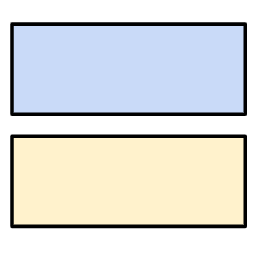
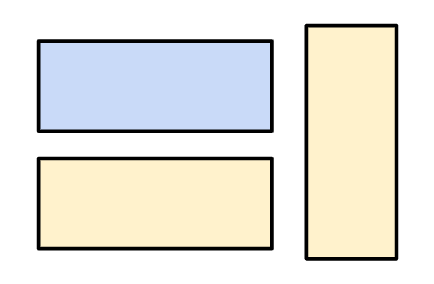
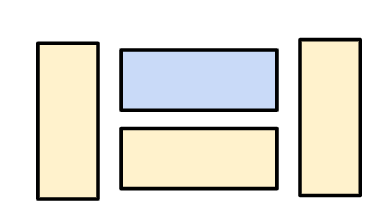
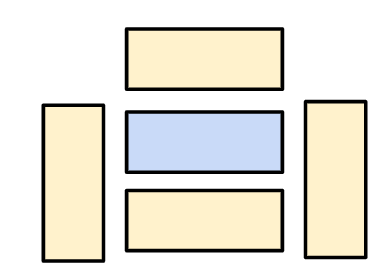
Q5.Look at this pattern made with rods. In which pattern is the blue rod the smallest part of the whole?
Look at this pattern made with rods. In which pattern is the blue rod the smallest part of the whole?
A
B
C
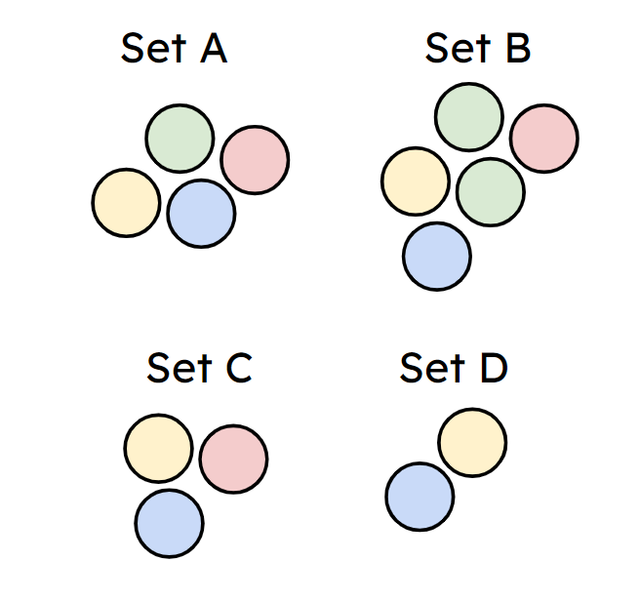
Q6.Look at these sets of marbles. Out of all the sets, in which one is the blue marble the greatest part of the whole?
Look at these sets of marbles. Out of all the sets, in which one is the blue marble the greatest part of the whole?
Set A
Set B
Set C
