


New
New
Transferring energy
I can identify when stores of energy change, and describe causes of energy transfer between stores.


Lesson 10 of 10
New
New
- Year 7
Transferring energy
I can identify when stores of energy change, and describe causes of energy transfer between stores.
Lesson details
Key learning points
- Energy cannot be created or destroyed.
- Energy can be transferred by forces that change the properties of an object (or system).
Keywords
Store of energy - A store of energy describes the different ways in which energy can be stored.
Surroundings - An object’s surroundings include everything that is around it.
Energy transfer - An energy transfer takes place when the amount of energy in some stores decreases and increases in others.
Common misconception
Energy can be used up.
Describe the mechanisms that transfer energy from one object to another, or to a system, as the energy in the original object decreases – or vice versa.
Many of the images or situations included in the slide deck could be demonstrated by the teacher, or set up around the room for pupils to explore in person.

Teacher tip

Equipment

Licence
This content is © Oak National Academy Limited (2026), licensed on Open Government Licence version 3.0 except where otherwise stated. See Oak's terms & conditions (Collection 2).
Lesson video
Loading...
Prior knowledge starter quiz
6 Questions
Q1.Which picture shows an elastic store of energy?
Which picture shows an elastic store of energy?
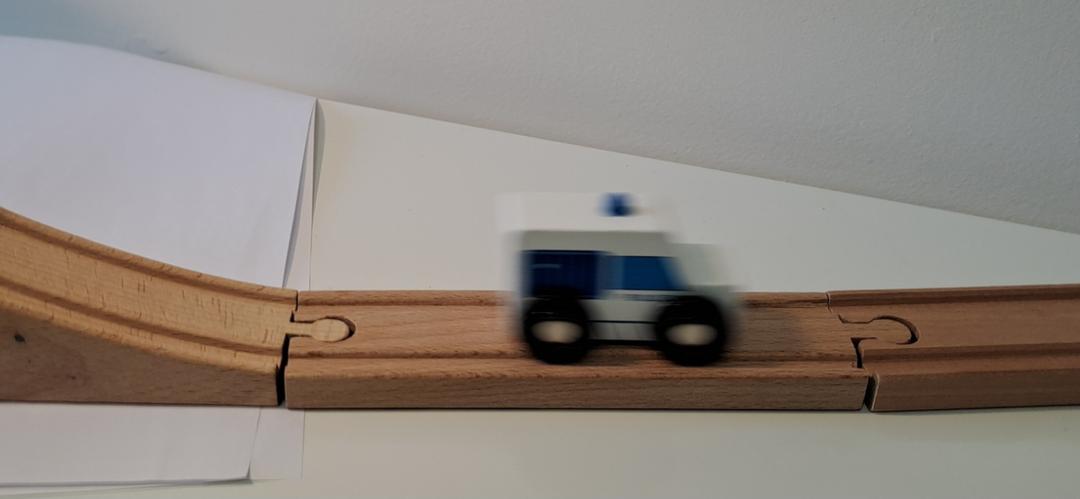
a moving toy car
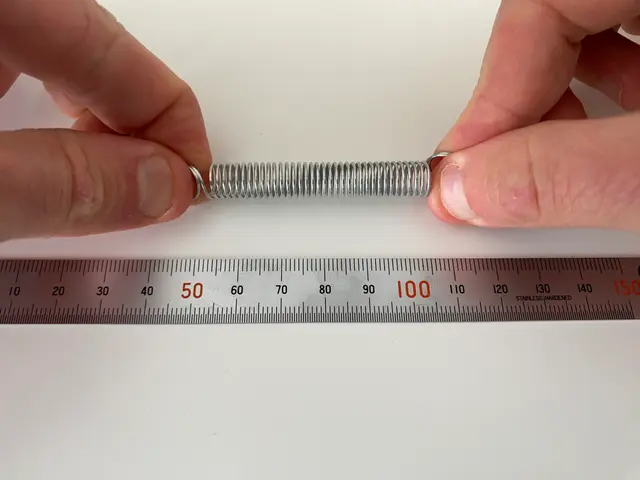
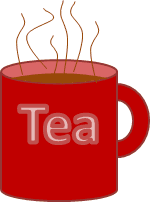
a hot cup of tea
Q2.Objects that are moving have a store of energy.
Objects that are moving have a store of energy.
Q3.If an object gets hotter, its store of energy increases.
If an object gets hotter, its store of energy increases.
Q4.Match each action with the energy store that increases as a result of the action.
Match each action with the energy store that increases as a result of the action.

Q5.Which of these can cause the temperature of an object to increase?
Which of these can cause the temperature of an object to increase?
gravity
Q6.A car drives downhill whilst also using the engine to get faster. Match each process that happens to the correct energy store that changes.
A car drives downhill whilst also using the engine to get faster. Match each process that happens to the correct energy store that changes.
Assessment exit quiz
6 Questions
Q1.When energy moves from one store to another, this is called an energy ...
When energy moves from one store to another, this is called an energy ...
Q2.Only one of these statements about energy is true and the other two are false. Choose the correct statement.
Only one of these statements about energy is true and the other two are false. Choose the correct statement.
Energy can be created.
Energy can be destroyed.
Q3.Which energy store do 'the surroundings' around an object always have?
Which energy store do 'the surroundings' around an object always have?
a gravitational store
an elastic store
a kinetic store
Q4.Match each situation to the correct reason why energy is transferred.
Match each situation to the correct reason why energy is transferred.
Q5.A person is sitting still next to an unstretched spring. They then stretch the spring and hold it in the new stretched position. Which statement describes the main energy transfer?
A person is sitting still next to an unstretched spring. They then stretch the spring and hold it in the new stretched position. Which statement describes the main energy transfer?
The person's chemical store decreases and the spring's kinetic store increases.
The person's kinetic store decreases and the spring's kinetic store increases.
The person's kinetic store decreases and the spring's elastic store increases.
Q6.A person is sitting still next to an unstretched spring. They then stretch the spring and hold it in the new stretched position. Identify two statements that explain why energy is transferred.
A person is sitting still next to an unstretched spring. They then stretch the spring and hold it in the new stretched position. Identify two statements that explain why energy is transferred.
Gravitational forces were acting.
The surrounding air was the same temperature as the spring.
