


Water resistance: do and review
I can carry out an investigation into water resistance and evaluate results.


- Year 5
Water resistance: do and review
I can carry out an investigation into water resistance and evaluate results.
Lesson details
Key learning points
- Scientists take, repeat and compare measurements using a range of scientific equipment.
- The evaluation of an investigation can include an explanation of, and degree of trust in, the results.
- Greater surface area on a moving object can increase water resistance.
Keywords
Water resistance - Water resistance is a type of friction force which acts between water and the surface of an object.
Trust - How reliable we think the results of an investigation are.
Reliable - If a result is reliable, it measures something consistently.
Evaluation - In the evaluation of an investigation, scientists judge how reliable the results and conclusion are.
Common misconception
All objects experience the same amount of water resistance, regardless of their size or shape.
Discussion and explicit teaching. The investigation they carry out will show them that this is not true.


Equipment
Modelling dough, 2 litre bottles, water, trays, equipment to film in slo-motion, stopwatches.

Content guidance
- Risk assessment required - equipment

Supervision
Adult supervision required

Licence
Lesson video
Loading...
Prior knowledge starter quiz
6 Questions
Q1.Match the force created, to the example:

Q2.The the surface area of a moving object, the greater the air resistance.
Q3.Air resistance and water resistance are both types of friction that act in the direction to the direction of movement.
Q4.On which part of moving objects does water resistance act?
Q5.Which of these would you find in a conclusion?
Q6.Why do runners sometimes use parachutes in training?
Assessment exit quiz
6 Questions
Q1.Which of this equipment would not help you measure time?
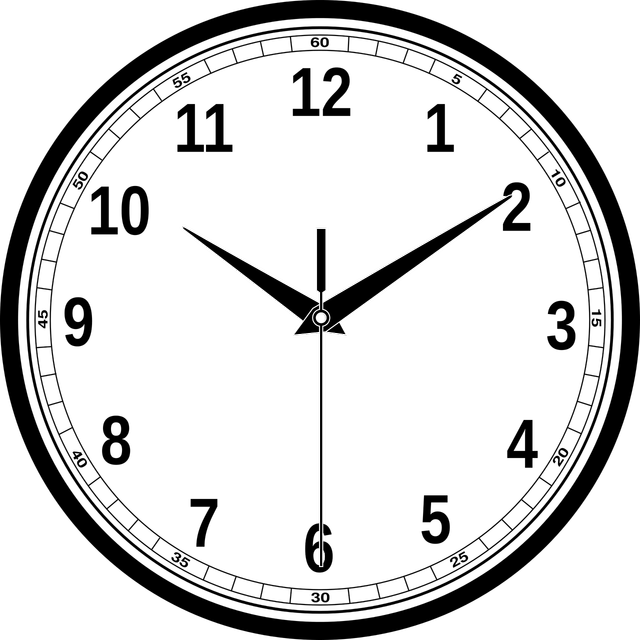
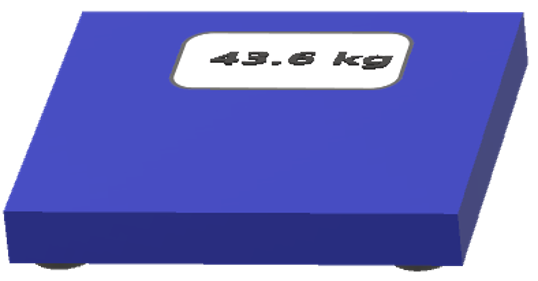

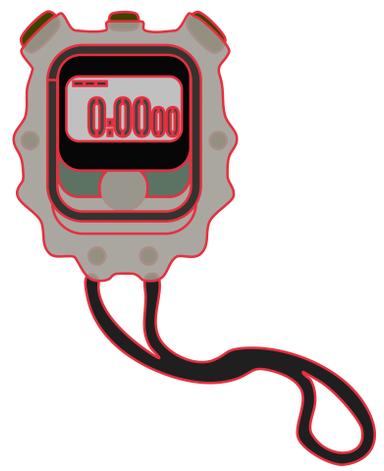
Q2.Which of these are non-contact forces?
Q3.If the results of an investigation are reliable, it means you can ...
Q4.Scientists take repeat measurements to ...
Q5.In the of an investigation, scientists judge how reliable the conclusion is. This can include an explanation of, and degree of trust in, the results.
Q6.Match the size of the surface area to its effect on a moving object.
