Water resistance: plan
I can plan an investigation to identify the effects of water resistance.


- Year 5
Water resistance: plan
I can plan an investigation to identify the effects of water resistance.
Lesson details
Key learning points
- Water Resistance is a force which acts to slow down or stop objects that are moving through liquid.
- Water resistance acts in the opposite direction to a moving object.
- Scientists ask questions about water resistance to help them to find out more about it.
- Scientists control variables and plan tests to investigate water resistance.
Keywords
Force - A force is a push or a pull. Forces can make objects change speed, change direction or change shape.
Water resistance - Water resistance is a type of friction force which acts between a liquid and the surface of an object.
Comparative test investigation - In a comparative test, the thing that is being changed has labels, such as the types of materials.
Variables - A variable is something that can be changed, measured or kept the same in an investigation.
Common misconception
All objects experience the same amount of water resistance, regardless of their size or shape.
Discussion and explicit teaching. The investigation they plan will, in the next lesson, show them that this is not true.


Equipment
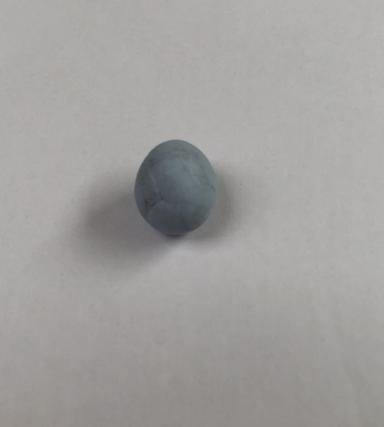
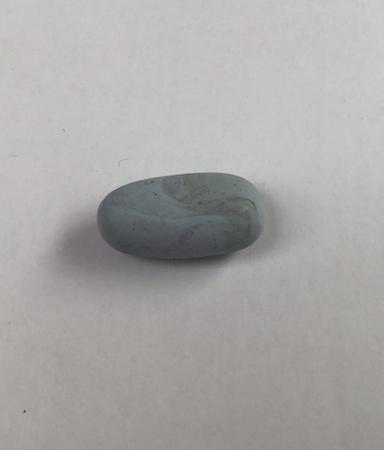
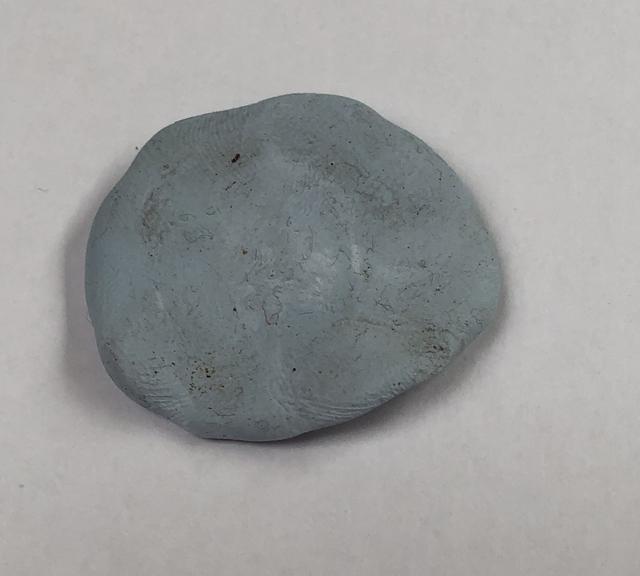
Not essential but modelling dough & a 2 litre plastic bottle full of water would help with planning.

Content guidance
- Risk assessment required - equipment

Supervision
Adult supervision required

Licence
Lesson video
Loading...
Prior knowledge starter quiz
6 Questions
Q1. is the force which acts between a moving sledge and the snow, in the opposite direction to the movement.
Q2.Long thin shapes have less air because there is less area for air to bump into.
Q3.What is the surface area of an object?
Q4.Match the object shape to the relative size of its surface area:

Q5.These shapes are all made with the same mass of sticky tack. Which one of them has the greatest surface area?