


Plant defences against disease


Lesson details
Learning outcome
I can describe physical, chemical and mechanical plant defences against pathogens and pests.
Key learning points
- Plants can be infected by pathogens, such as viruses, bacteria and fungi, that cause diseases.
- Pests, including insects, can damage plants by feeding on them, and can spread pathogens that cause diseases.
- Plants have physical, chemical and mechanical defences against pathogens.
- Examples of physical, chemical and mechanical defences in plants.
Keywords
Pathogen - A virus, bacterium or other microorganism that causes disease.
Pest - An insect or other animal that damages plants and can spread plant pathogens.
Waxy cuticle - Waterproof coating on the surface of a leaf.
Cell wall - Structure made of cellulose that surrounds plant cells.
Antimicrobial - A substance that kills microorganisms or stops their growth.
Common misconception
Plants have no defence against pests or pathogens.
Plants have physical, chemical and mechanical defences against pathogens.
Teacher tip
The lesson includes a video clip of the "sensitive plant" (Mimosa pudica) curling up, as an example of a mechanical defence. Demonstrating this effect in a real plant such as this one or any others that respond to touch can help to increase engagement and really bring the idea to life.

Equipment
None required.

Licence

Lesson video
Loading...
Prior knowledge starter quiz
6 Questions
Q1.Which of the following can be pathogens?
Q2.Pathogens can causes disease in plants.
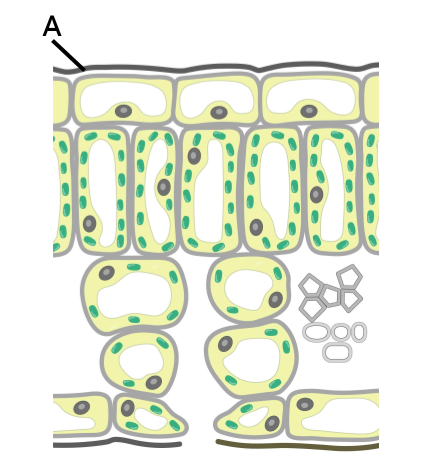
Q3.The image below shows the cross section of a leaf. What is being shown by label A?
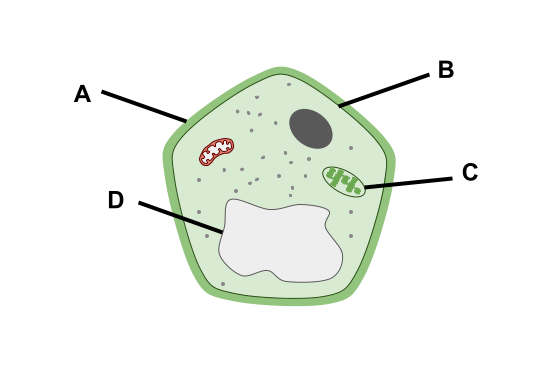
Q4.Label this plant cell.

Q5.What are plant cell walls made from?
Q6.Which organism in this food chain is a herbivore?

Assessment exit quiz
6 Questions
Q1.Match the disease to the pathogen that causes it.
Q2.Which of the following are physical defences?
Q3.Insects can transfer pathogens.
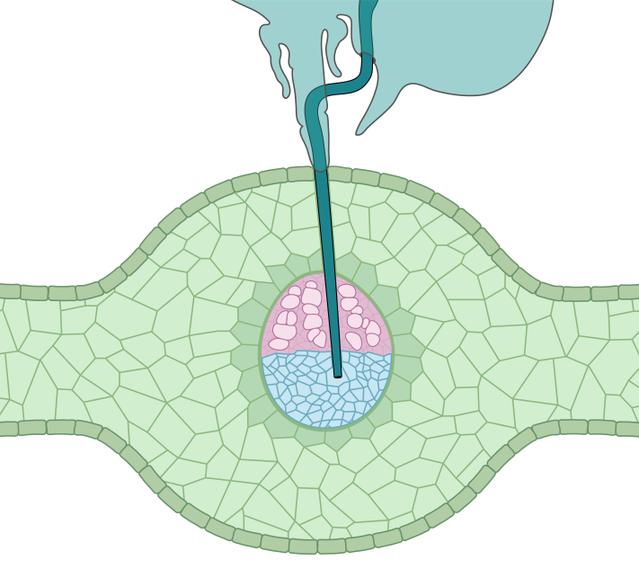
Q4.What substance in the phloem of a plant do some insects feed upon?
Q5.Which plants produce poisons that deter herbivores from eating them?
Q6.Which plants demonstrate mechanical defences?
To help you plan your 11 biology lesson on: Plant defences against disease, download all teaching resources for free and adapt to suit your pupils' needs...
To help you plan your 11 biology lesson on: Plant defences against disease, download all teaching resources for free and adapt to suit your pupils' needs.
The starter quiz will activate and check your pupils' prior knowledge, with versions available both with and without answers in PDF format.
We use learning cycles to break down learning into key concepts or ideas linked to the learning outcome. Each learning cycle features explanations with checks for understanding and practice tasks with feedback. All of this is found in our slide decks, ready for you to download and edit. The practice tasks are also available as printable worksheets and some lessons have additional materials with extra material you might need for teaching the lesson.
The assessment exit quiz will test your pupils' understanding of the key learning points.
Our video is a tool for planning, showing how other teachers might teach the lesson, offering helpful tips, modelled explanations and inspiration for your own delivery in the classroom. Plus, you can set it as homework or revision for pupils and keep their learning on track by sharing an online pupil version of this lesson.
Explore more key stage 4 biology lessons from the Defences against pathogens, the human immune system and vaccination unit, dive into the full secondary biology curriculum, or learn more about lesson planning.