


Genetic variants in genes can influence phenotype


Lesson details
Learning outcome
I can explain how a genetic variant in a gene can influence an organism’s phenotype.
Key learning points
- When a mutation changes the sequence of nucleotide bases in a gene, this creates a genetic variant of the gene.
- If a triplet code in a gene is changed, this may or may not change the amino acid sequence in the protein that is made.
- A change in the amino acid sequence of a protein can change the 3D shape of the protein.
- A change in the 3D shape of a protein can change what it does (e.g. by changing the shape of an enzyme’s active site).
- These changes can have impacts on an organism’s phenotype.
Keywords
Gene - A gene is a section of DNA that holds the genetic code for a protein.
Genetic variant - A genetic variant is produced when a mutation causes a change in the genetic sequence of a gene or non-coding DNA.
Allele - A genetic variant in a gene creates an allele (a different version of the gene), which produces a different phenotype.
Triplet code - The triplet code is carried by genes. Each three nucleotide bases codes for a specific amino acid.
Phenotype - The phenotype is the physical characteristics of an organism.
Common misconception
Mutations always have a negative effect on an organism.
Mutations can produce variation in a phenotype by producing alleles of a gene.
Teacher tip
Pupils can research phenotypes and look at multiple alleles in colour or changes that lead to genetic disorders.

Licence

Lesson video
Loading...
Prior knowledge starter quiz
6 Questions
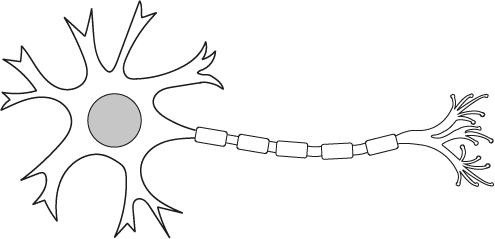
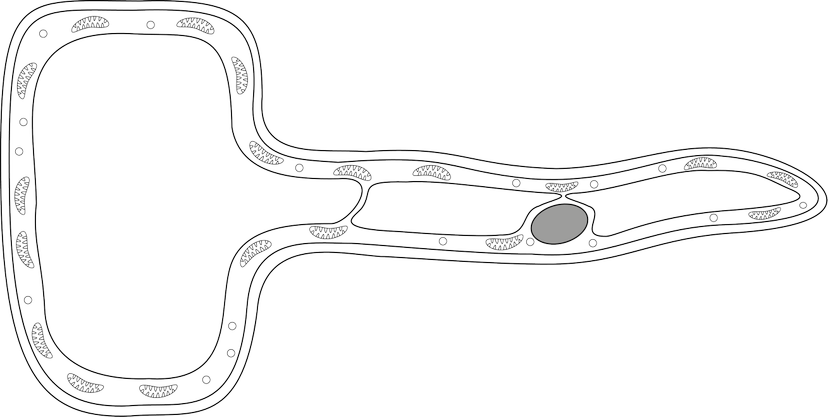
Q1.Match each of the following to the correct number.

Q2.If a single nucleotide base in DNA is swapped for another one, this is called a substitution .
Q3.What is the cause of most mutations in DNA?


Q4.This is part of a genetic code: TAC CAG TCA CAG. A mutation changes the code to TAC CAG TCC AG. What kind of mutation has taken place?
Q5.Insertion mutations have a greater effect on the genetic code than substitution mutations. Why?
Q6.In which type of cell would a mutation have to happen if the mutation was to be inherited by a person’s offspring?
Assessment exit quiz
6 Questions
Q1.Which word means the physical characteristics of an organism?
Q2.A different version of a gene, created by a mutation, is called an .
Q3.Match each word to its correct definition.
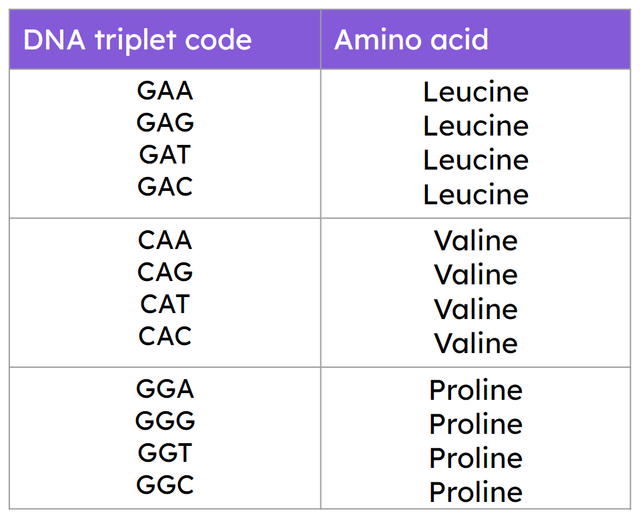
Q4.Match each mutation to the change it would cause in the amino acid sequence of the protein coded for by a gene.
Q5.Put the steps in the correct order to describe how a mutation in a gene can change an organism’s phenotype.
Q6.Who identifies a mutation that is the most likely to result in a non-functional protein?




To help you plan your 10 biology lesson on: Genetic variants in genes can influence phenotype, download all teaching resources for free and adapt to suit your pupils' needs...
To help you plan your 10 biology lesson on: Genetic variants in genes can influence phenotype, download all teaching resources for free and adapt to suit your pupils' needs.
The starter quiz will activate and check your pupils' prior knowledge, with versions available both with and without answers in PDF format.
We use learning cycles to break down learning into key concepts or ideas linked to the learning outcome. Each learning cycle features explanations with checks for understanding and practice tasks with feedback. All of this is found in our slide decks, ready for you to download and edit. The practice tasks are also available as printable worksheets and some lessons have additional materials with extra material you might need for teaching the lesson.
The assessment exit quiz will test your pupils' understanding of the key learning points.
Our video is a tool for planning, showing how other teachers might teach the lesson, offering helpful tips, modelled explanations and inspiration for your own delivery in the classroom. Plus, you can set it as homework or revision for pupils and keep their learning on track by sharing an online pupil version of this lesson.
Explore more key stage 4 biology lessons from the DNA and the genome unit, dive into the full secondary biology curriculum, or learn more about lesson planning.