


Estimating population size using quadrats: practical



Lesson details
Learning outcome
I can use quadrats to estimate the population size of a species.
Key learning points
- Quadrats can be used to sample an area to estimate population size (abundance).
- Quadrats are used to sample plants and small, slow-moving animals.
- Quadrats can be placed at random to help avoid bias.
- Using quadrats to estimate population size (species abundance) in an area.
- Using quadrats to investigate the population size of a plant species using random sampling.
Keywords
Population - A population is a group of organisms of the same species living in the same place.
Sampling - Sampling is a method of surveying plants and/or animals to provide information about the populations of organisms.
Quadrat - A quadrat is a square frame used to sample populations of plants or slow-moving animals.
Abundance - Abundance is the number of organisms of a species found within a habitat.
Common misconception
Quadrats can be used to give an accurate picture of a habitat or ecosystem.
Sampling using a quadrat provides only a snapshot of a specific area at a specific time. To give a more accurate understanding, quadrat samples should be taken over a long period to provide a fuller picture of a habitat or ecosystem.
Teacher tip
After carrying out an investigation and calculating an estimated population size, pupils studying the same species can pool their data, calculate an estimated population from the larger data set, and discuss reasons for any differences in their results.

Equipment
quadrat, two 20 m tape measures, clipboard, pencils, and a bag of numbers for random coordinate generation

Content guidance
Risk assessment required - equipment

Supervision
Adult supervision required

Licence

Lesson video
Loading...
Prior knowledge starter quiz
6 Questions
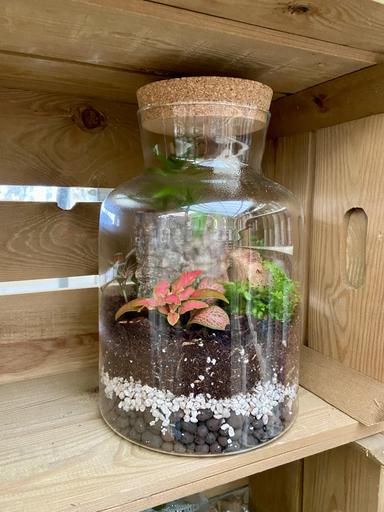
Q1.True or false? A bottle garden is an example of an ecosystem.

Q2.What is this piece of equipment called?

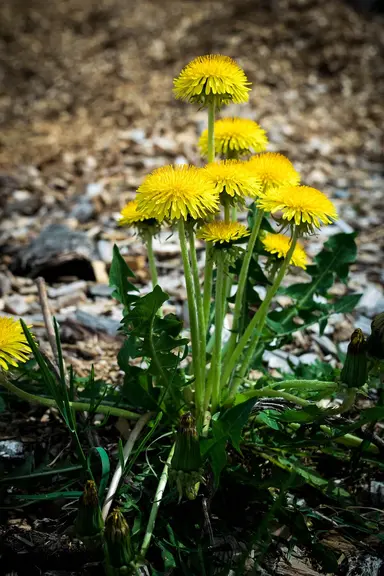
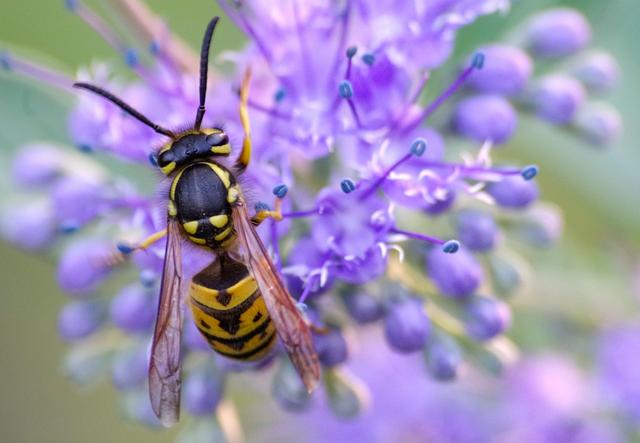
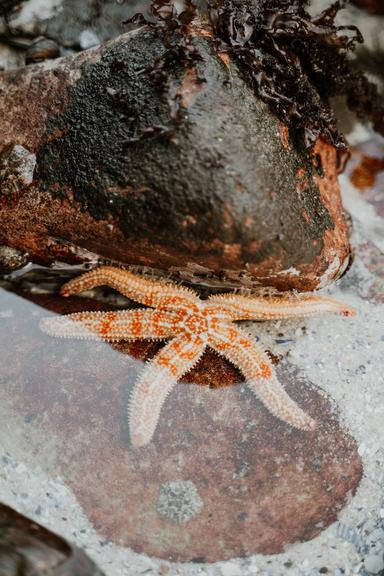
Q3.Which of the following populations of organisms might you use a quadrat to sample?
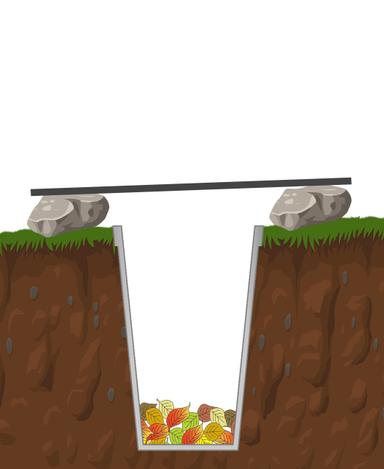
Q4.The diagram shows a pitfall trap. Which of the following organisms might be sampled using this piece of equipment?
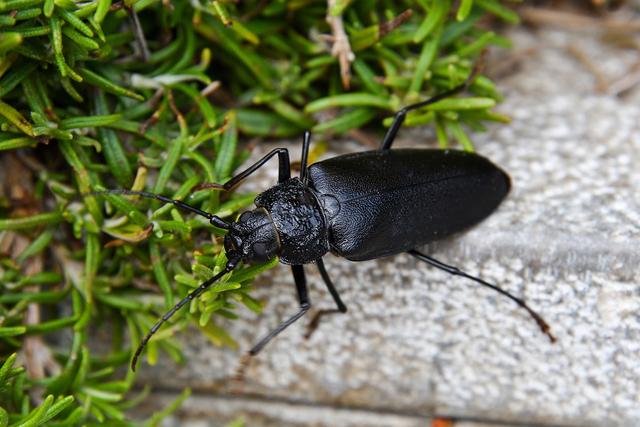
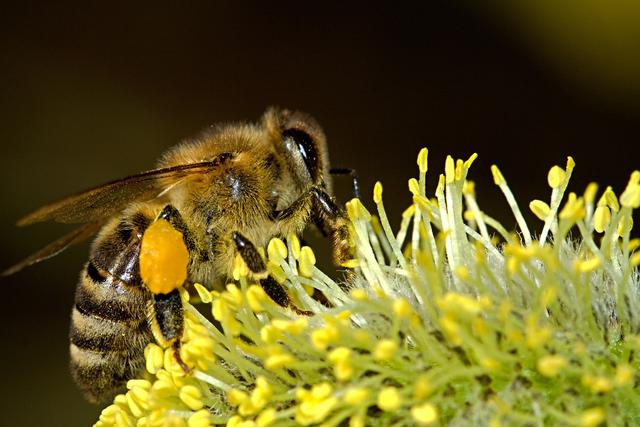
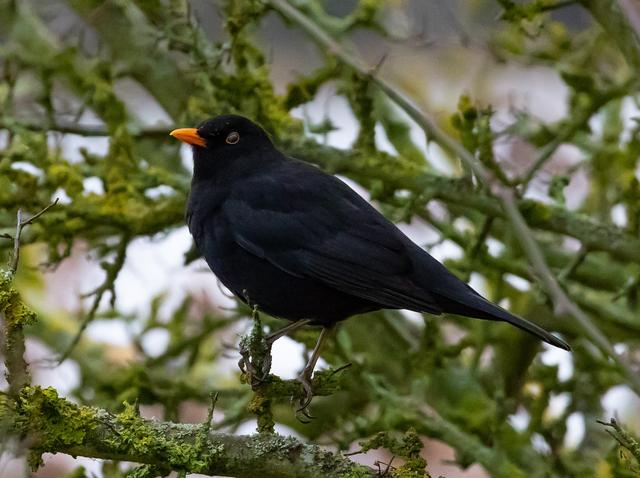
Q5.Rainfall in a habitat is an example of ...
Q6.When carrying out a mark-release-recapture experiment we put a small mark on the organism so that we know it has been captured before. What is important to remember when marking an organism?
Assessment exit quiz
6 Questions
Q1.Abundance means ...
Q2.Which of the following is true about quadrats?
Q3.What is the area of a quadrat that measures 0.5 m × 0.5 m?
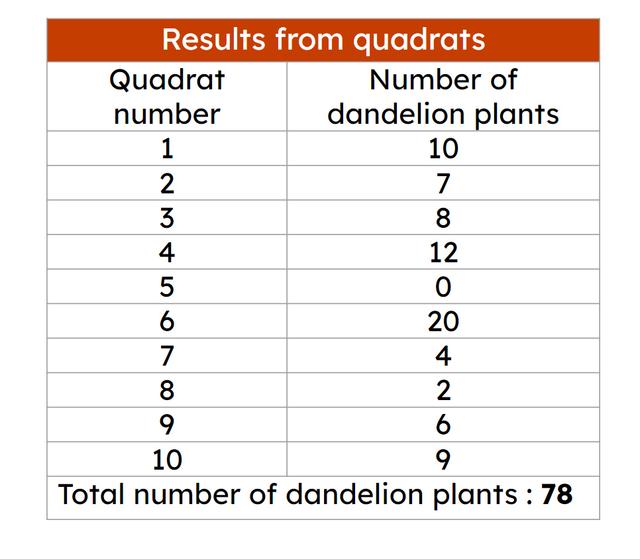
Q4.Look at the results from a quadrat survey of dandelion plants. Calculate the mean number of dandelion plants in each quadrat.
Q5.Ten 1 m² quadrats were placed in a 40 m² field. A mean of 2 snails were found in every quadrat. Estimate the population size of the whole field.
Q6.The results from a quadrat survey of dandelion plants in a school field is shown. Each quadrat is 1 m². If the school field is 1000 m², estimate the total population size of dandelion plants.
To help you plan your 10 biology lesson on: Estimating population size using quadrats: practical, download all teaching resources for free and adapt to suit your pupils' needs...
To help you plan your 10 biology lesson on: Estimating population size using quadrats: practical, download all teaching resources for free and adapt to suit your pupils' needs.
The starter quiz will activate and check your pupils' prior knowledge, with versions available both with and without answers in PDF format.
We use learning cycles to break down learning into key concepts or ideas linked to the learning outcome. Each learning cycle features explanations with checks for understanding and practice tasks with feedback. All of this is found in our slide decks, ready for you to download and edit. The practice tasks are also available as printable worksheets and some lessons have additional materials with extra material you might need for teaching the lesson.
The assessment exit quiz will test your pupils' understanding of the key learning points.
Our video is a tool for planning, showing how other teachers might teach the lesson, offering helpful tips, modelled explanations and inspiration for your own delivery in the classroom. Plus, you can set it as homework or revision for pupils and keep their learning on track by sharing an online pupil version of this lesson.
Explore more key stage 4 biology lessons from the Living organisms and their environments unit, dive into the full secondary biology curriculum, or learn more about lesson planning.