


Using hormones to treat infertility


Lesson details
Learning outcome
I can describe the use of hormones to treat some types of infertility in humans.
Key learning points
- Infertility is the inability to become pregnant (conceive).
- In adult human females, some types of infertility are caused by problems with hormones that control the menstrual cycle.
- Hormones can be used as a treatment for these types of infertility.
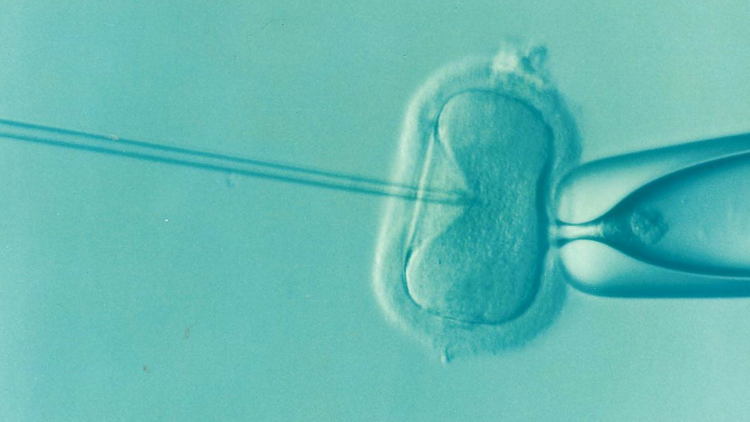
- The use of hormones in IVF treatment.
Keywords
Infertility - The inability to become pregnant (conceive).
Menstrual cycle - A monthly cycle which involves the maturation and release of an egg, and menstruation.
IVF - In vitro fertilisation, in which an embryo is formed in a laboratory and then inserted into the uterus of the mother.
FSH - Follicle stimulating hormone, which matures follicles containing eggs in the ovaries.
Embryo - A development stage when a fertilised egg starts to divide.
Common misconception
IVF is highly effective without side effects. People can already choose the features of a baby. All people can have IVF from the NHS.
IVF is less than 40% effective and this decreases with the age of the mother over 35. Genetic testing of embryos can be used to look for a disease, but genes cannot be altered. There is criteria for receiving IVF from the NHS and it is limited.
Teacher tip
Pupils may wish to do the final task as a role play conversation; or the class could do further research and then debate it.

Equipment
None requuired.

Content guidance
Depiction or discussion of sensitive content
Depiction or discussion of sexual content

Supervision
Adult supervision required

Licence

Lesson video
Loading...
Prior knowledge starter quiz
6 Questions
Q1.Which hormone is not involved in controlling the menstrual cycle?
Q2.What does follicle stimulating hormone (FSH) cause?
Q3.What does fertilisation produce?
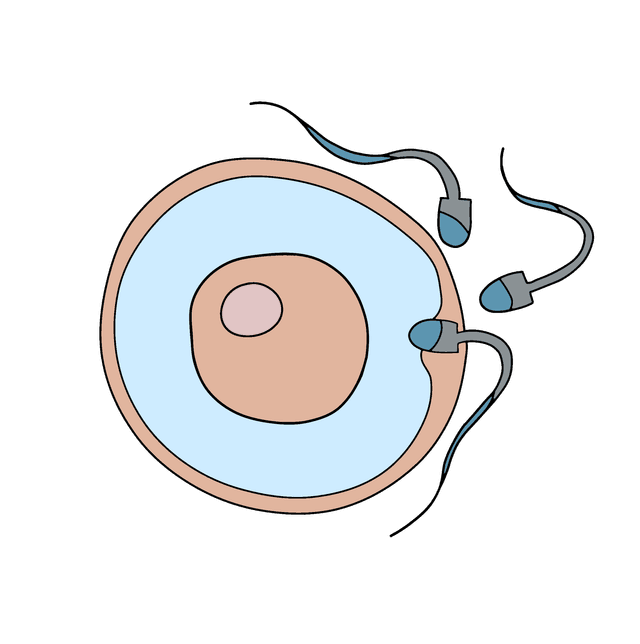
Q4.Which hormone causes ovulation?
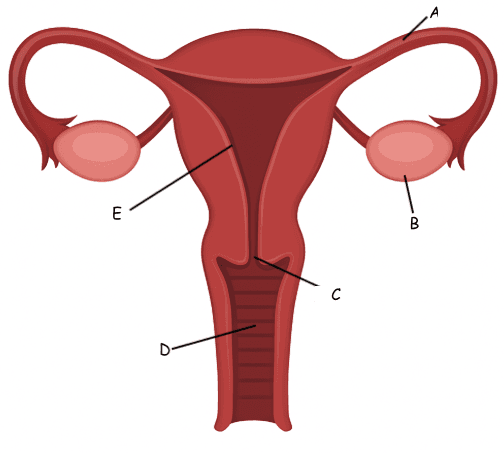
Q5.Match the part to a description of its function.

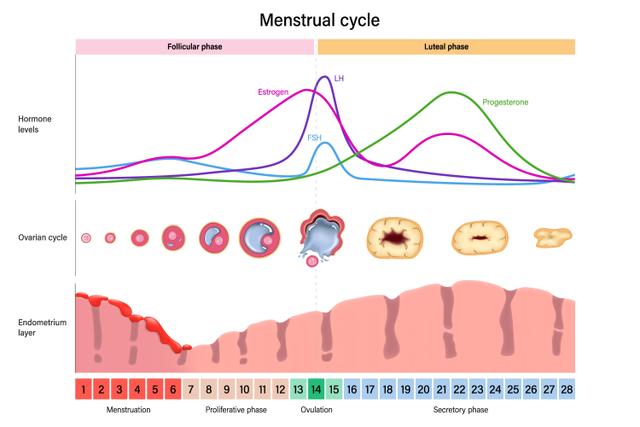
Q6.Put these steps in order to describe the menstrual cycle, starting with menstruation.
Assessment exit quiz
6 Questions
Q1.True or false? Infertility only affects females.
Q2.What can cause infertility?
Q3.Which hormones can be used to increase fertility in females?
Q4.Put these stages of IVF in the right order.
Q5.What are the risks associated with in-vitro fertilisation (IVF) treatment?
Q6.True or false? Each cycle of IVF has a 50% chance of success.
To help you plan your 11 combined science lesson on: Using hormones to treat infertility, download all teaching resources for free and adapt to suit your pupils' needs...
To help you plan your 11 combined science lesson on: Using hormones to treat infertility, download all teaching resources for free and adapt to suit your pupils' needs.
The starter quiz will activate and check your pupils' prior knowledge, with versions available both with and without answers in PDF format.
We use learning cycles to break down learning into key concepts or ideas linked to the learning outcome. Each learning cycle features explanations with checks for understanding and practice tasks with feedback. All of this is found in our slide decks, ready for you to download and edit. The practice tasks are also available as printable worksheets and some lessons have additional materials with extra material you might need for teaching the lesson.
The assessment exit quiz will test your pupils' understanding of the key learning points.
Our video is a tool for planning, showing how other teachers might teach the lesson, offering helpful tips, modelled explanations and inspiration for your own delivery in the classroom. Plus, you can set it as homework or revision for pupils and keep their learning on track by sharing an online pupil version of this lesson.
Explore more key stage 4 combined science lessons from the Hormones and human reproduction unit, dive into the full secondary combined science curriculum, or learn more about lesson planning.