


Assemble cam mechanisms


Lesson details
Learning outcome
I can integrate a cam mechanism into an automaton.
Key learning points
- Axles at 90 degree angles will allow more accurate connection to the cams.
- More than one cam can be added to the same axle.
- Designs may require loose fit or tight fit joints.
- Drilling techniques need to be conducted safely.
Keywords
Assemble - bring separate parts together
Components - separate parts of a larger whole
Drill bit - cutting tool used to make holes
Chuck - a device for holding a tool in place
Common misconception
Drilled and pierced holes can be any size.
Cam discs need to be tightly fitted to the axle so that they rotate with it. Holes for the axle and followers need to be loose to allow free movement.
Teacher tip
Small off-cuts of wood could also be used in place of the wooden disc in the drilling task. This lesson instructs the making of three cams/followers. This could be adapted and reduced to one or two cams/followers to reduce difficulty or making time.

Equipment
Please see additional resources document for a list of equipment and resources needed for this lesson.

Content guidance
Risk assessment required - equipment
Risk assessment required - physical activity

Supervision
Adult supervision required

Licence

Lesson video
Loading...
Prior knowledge starter quiz
6 Questions
Q1.What is a hacksaw used for?
Q2.Which of these is true about softwood?
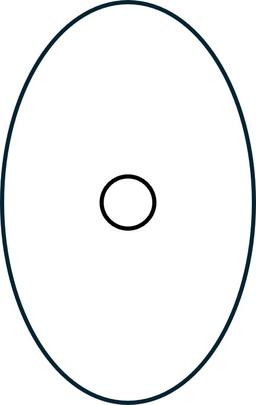
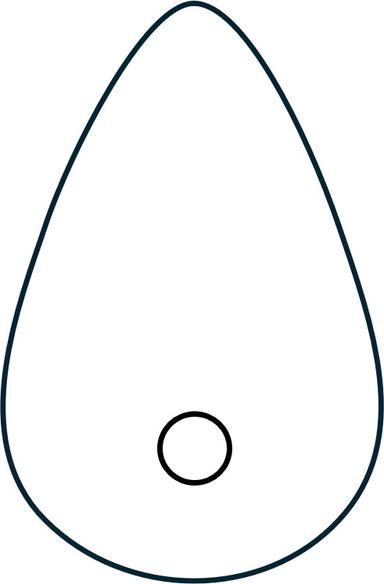
Q3.Which type of cam causes the follower to make a sudden drop?


Q4.Why would a triangle be added to a corner joint?
Q5.Which of these is not a safe way to use a hacksaw?
Q6.Match the parts of an automaton cam mechanism to their function.

Assessment exit quiz
6 Questions
Q1.What is a component?
Q2.What type of movement does a snail cam make?
Q3.Which part of a drill holds the drill bit?
Q4.The followers on a cam mechanism sit __________ the cam discs.
Q5.Which word means to 'bring together individual parts'?
Q6.Why do axles at a 90-degree angle to the followers produce a more effective movement?
To help you plan your 6 design and technology lesson on: Assemble cam mechanisms, download all teaching resources for free and adapt to suit your pupils' needs...
To help you plan your 6 design and technology lesson on: Assemble cam mechanisms, download all teaching resources for free and adapt to suit your pupils' needs.
The starter quiz will activate and check your pupils' prior knowledge, with versions available both with and without answers in PDF format.
We use learning cycles to break down learning into key concepts or ideas linked to the learning outcome. Each learning cycle features explanations with checks for understanding and practice tasks with feedback. All of this is found in our slide decks, ready for you to download and edit. The practice tasks are also available as printable worksheets and some lessons have additional materials with extra material you might need for teaching the lesson.
The assessment exit quiz will test your pupils' understanding of the key learning points.
Our video is a tool for planning, showing how other teachers might teach the lesson, offering helpful tips, modelled explanations and inspiration for your own delivery in the classroom. Plus, you can set it as homework or revision for pupils and keep their learning on track by sharing an online pupil version of this lesson.
Explore more key stage 2 design and technology lessons from the Cams: automata unit, dive into the full primary design and technology curriculum, or learn more about lesson planning.