


Standardised components


Lesson details
Learning outcome
I can identify standardised components and can explain the benefits of using them in a design.
Key learning points
- Standardised components can be mass produced which lowers cost.
- Standardised components allow manufacturers to specialise on the product rather than the individual parts.
- Standardised components are components that are produced in a set size for a range of uses.
- Standardised components are more cost efficient due to the products being able to be mass produced.
Keywords
Standardised components - parts made to a set size and design for easy use and compatibility
Mass production - the process of making large quantities of identical products quickly and efficiently
Knock down fittings - connectors used to easily assemble and disassemble furniture without special tools
Common misconception
Using standardised components limit creativity and originality in design.
Standardised components can actually enhance innovation by allowing designers to focus on customisation, functionality, and efficiency while reducing costs and production time.
Teacher tip
It would be good to have a selection of real examples of standarised components for the students to see in real life and interact with.

Equipment
Examples of standardised components and prodcuts that contain standardised components.

Licence

Lesson video
Loading...
Prior knowledge starter quiz
6 Questions
Q1.When designers look into something carefully to find out the truth or facts it is called?

Q2.A product disassembly is a type of research.
Q3.When furniture comes in pieces and is assembled at home it is called?
Q4.What is not found out from doing a product disassembly?
Q5.What pieces of equipment do you need during a product disassembly?
Q6.What must a designer do once they have taken the product apart and recorded the process?
Assessment exit quiz
4 Questions
Q1.What is a standardised component?
Q2.What standardised component is shown in the picture?
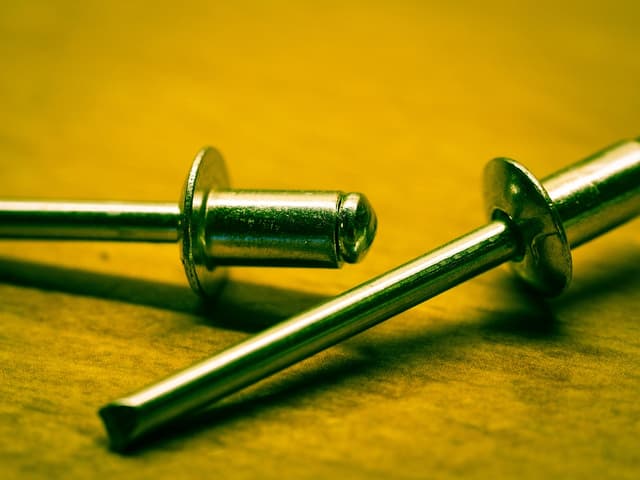
Q3.What are the standardised components called that are used in flatpack furniture?
Q4.When identical products are made in large quantities quickly and efficiently it is called?
To help you plan your 10 design and technology lesson on: Standardised components, download all teaching resources for free and adapt to suit your pupils' needs...
To help you plan your 10 design and technology lesson on: Standardised components, download all teaching resources for free and adapt to suit your pupils' needs.
The starter quiz will activate and check your pupils' prior knowledge, with versions available both with and without answers in PDF format.
We use learning cycles to break down learning into key concepts or ideas linked to the learning outcome. Each learning cycle features explanations with checks for understanding and practice tasks with feedback. All of this is found in our slide decks, ready for you to download and edit. The practice tasks are also available as printable worksheets and some lessons have additional materials with extra material you might need for teaching the lesson.
The assessment exit quiz will test your pupils' understanding of the key learning points.
Our video is a tool for planning, showing how other teachers might teach the lesson, offering helpful tips, modelled explanations and inspiration for your own delivery in the classroom. Plus, you can set it as homework or revision for pupils and keep their learning on track by sharing an online pupil version of this lesson.
Explore more key stage 4 design and technology lessons from the Saving space context unit, dive into the full secondary design and technology curriculum, or learn more about lesson planning.