


The third join: oo, wa, wo, on, om, ow



Lesson details
Learning outcome
I can correctly form the third join.
Key learning points
- The letters all have a lead in and a lead out.
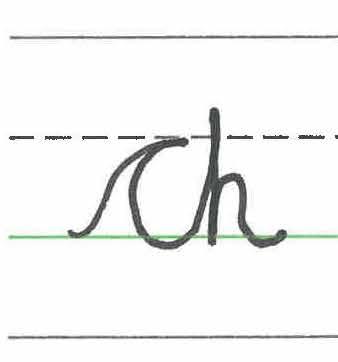
- The third join starts at the x-height line and dips below the x-height line and back up to join the next letter.
- When joining from a "w" or an "o", remember the small 'dip down' to aid joining.
- The pencil does not lift when forming the join.
- When using the third join you leave enough space to ensure the letters are not touching without leaving a big gap.
Keywords
Join - connecting together
Lead in - the stroke or line that guides us into starting a letter
Lead out - the stroke or line that guides us to smoothly finish a letter
X-height line - this is the line that x-height letters reach
Dip down - dropping under something
Common misconception
Children can struggle to get the gap size between the letters correct with this join.
Model this join lots emphasising 'we dip down and across and then form the next letter so they can still hold hands, we don't want them to be far away from each other'.
Teacher tip
Give the children a visual of the letters being joined together by holding hands. If you lift your pencil, then you are breaking the connection and they can't hold hands.

Content guidance
Risk assessment required - physical activity

Supervision
Adult supervision required

Licence

Lesson video
Loading...
Prior knowledge starter quiz
6 Questions
Q1.'Ready, line, go' is useful to say before starting to write because...
Q2.Select the correct first join.
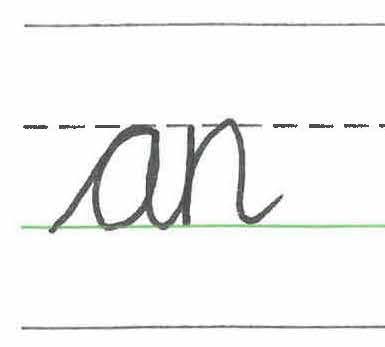
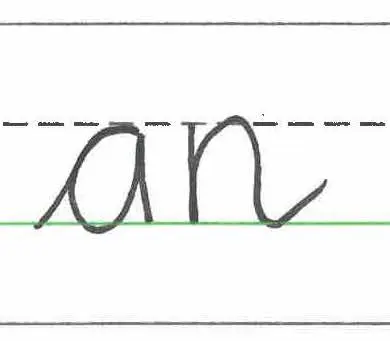
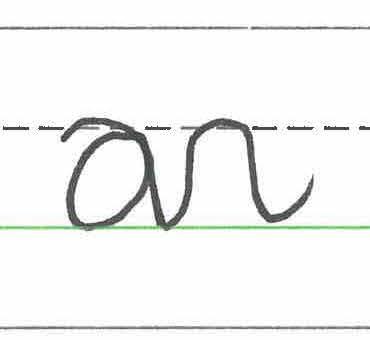
Q3.Select the correct first join.
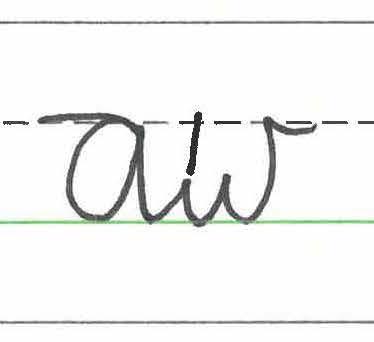
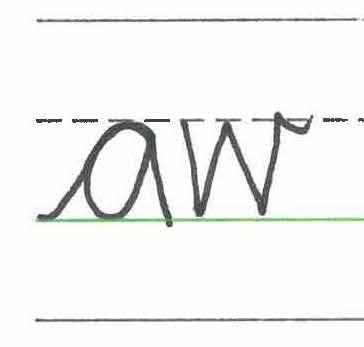
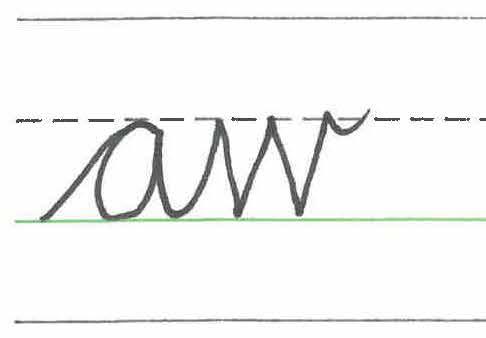
Q4.Select the correct second join.
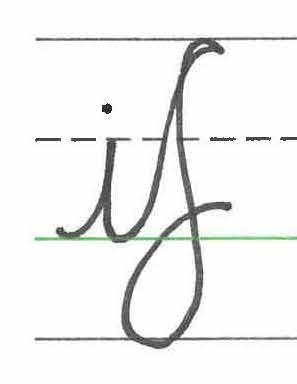
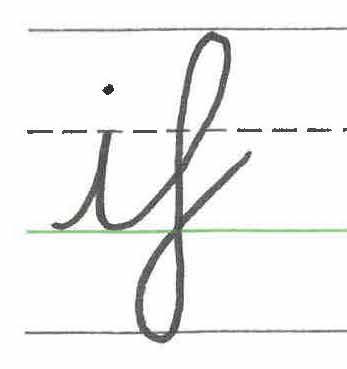
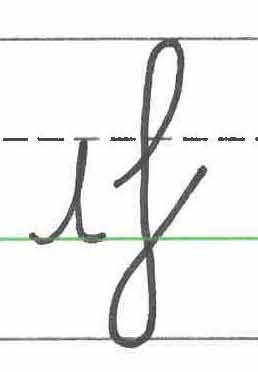
Q5.Select the correct second join.
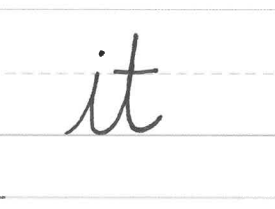
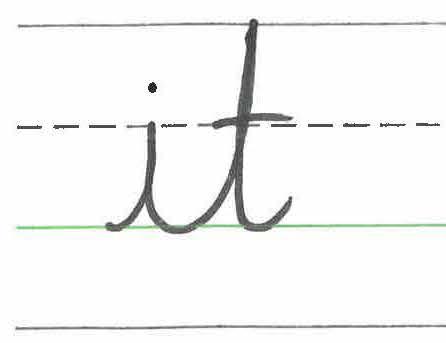
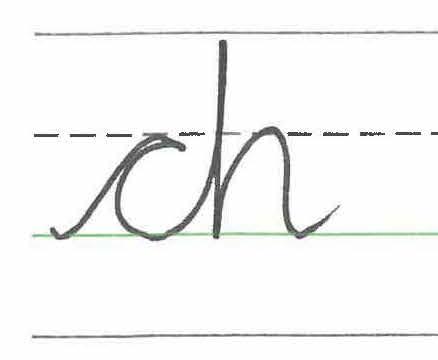
Q6.Match the key term with the correct definition.

To help you plan your 3 English lesson on: The third join: oo, wa, wo, on, om, ow, download all teaching resources for free and adapt to suit your pupils' needs...
To help you plan your 3 English lesson on: The third join: oo, wa, wo, on, om, ow, download all teaching resources for free and adapt to suit your pupils' needs.
The starter quiz will activate and check your pupils' prior knowledge, with versions available both with and without answers in PDF format.
We use learning cycles to break down learning into key concepts or ideas linked to the learning outcome. Each learning cycle features explanations with checks for understanding and practice tasks with feedback. All of this is found in our slide decks, ready for you to download and edit. The practice tasks are also available as printable worksheets and some lessons have additional materials with extra material you might need for teaching the lesson.
The assessment exit quiz will test your pupils' understanding of the key learning points.
Our video is a tool for planning, showing how other teachers might teach the lesson, offering helpful tips, modelled explanations and inspiration for your own delivery in the classroom. Plus, you can set it as homework or revision for pupils and keep their learning on track by sharing an online pupil version of this lesson.
Explore more key stage 2 English lessons from the Further study of the four joins unit, dive into the full primary English curriculum, or learn more about lesson planning.