


Money and how it makes us feel.


Lesson details
Learning outcome
I understand that money can create different feelings in different people.
Key learning points
- Money can make people feel a range of emotions including happiness or sadness.
- Spending money on other people can make people feel a range of emotions.
- Spending money unwisely can lead to regret and unhappiness.
Keywords
Fair - Acceptable and appropriate in a particular situation.
Guilty - Feeling ashamed because you have done something or caused something to happen that you know is wrong. It could be that you have not done something that you know you should have done.
Jealous - Feeling angry or unhappy because you wish you had something that somebody else has.
Regretful - Feeling sad or disappointed because of something that you have or have not done.
Common misconception
Children may struggle with the concept of fair. They may confuse it with 'I get what I want'.
Explain that 'fair' means that everybody is treated equally. It often means they all get the same.
Teacher tip
It is worthwhile spending time talking with the children about different emotions that they have felt and the situations that caused these feelings. They do not have to be related to money! If time allows, ask them what made them feel better (if it was a negative feeling).

Content guidance
Depiction or discussion of sensitive content

Supervision
Adult supervision recommended

Licence

Lesson video
Loading...
Prior knowledge starter quiz
6 Questions
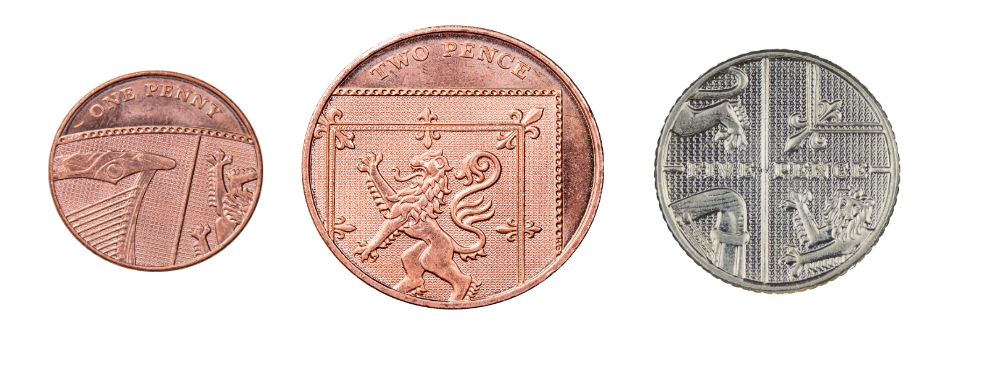
Q1.Andeep has a 5 p, a 2 p and a 1 p coin. How much money does he have in total?
Q2.Andeep has two notes of the same value. Which of these could be the total value of the notes?
Q3.Laura uses one note and one coin. Which of these values could she make?
Q4.Andeep has two notes of different values. Which of these could be the total value of the notes?
Q5.Match each total to the coins and notes used to make it.

Q6.Andeep looks after his uncle's puppy for the day. Laura helps him. How should they share the £2 they are given?
Assessment exit quiz
6 Questions
Q1.Find the missing word. means treating people equally and giving them what they deserve.
Q2.Andeep is feeling guilty about something. What could make him feel like this?
Q3.Andeep and Laura get paid to look after a neighbour's cat. Laura does more work. Which of these could be fair?
Q4.Laura loses a £1. How might she feel?
Q5.Andeep spends ages choosing a toy for Laura's birthday. Laura really likes the toy. How might Andeep feel?
Q6.Andeep finds £5 in the playground. What should he do with it?
To help you plan your 2 financial education lesson on: Money and how it makes us feel., download all teaching resources for free and adapt to suit your pupils' needs...
To help you plan your 2 financial education lesson on: Money and how it makes us feel., download all teaching resources for free and adapt to suit your pupils' needs.
The starter quiz will activate and check your pupils' prior knowledge, with versions available both with and without answers in PDF format.
We use learning cycles to break down learning into key concepts or ideas linked to the learning outcome. Each learning cycle features explanations with checks for understanding and practice tasks with feedback. All of this is found in our slide decks, ready for you to download and edit. The practice tasks are also available as printable worksheets and some lessons have additional materials with extra material you might need for teaching the lesson.
The assessment exit quiz will test your pupils' understanding of the key learning points.
Our video is a tool for planning, showing how other teachers might teach the lesson, offering helpful tips, modelled explanations and inspiration for your own delivery in the classroom. Plus, you can set it as homework or revision for pupils and keep their learning on track by sharing an online pupil version of this lesson.
Explore more key stage 1 financial education lessons from the My money and me unit, dive into the full primary financial education curriculum, or learn more about lesson planning.