


Electrical sensors: design (non-statutory)


Lesson details
Learning outcome
I can design a simple electrical circuit to detect water levels.
Key learning points
- There are sensors all around us to detect changes in things like temperature, motion, moisture, light, distance etc.
- Sensors are used in everyday appliances such as washing machines, lights, burglar and fire alarms.
- Strict safety rules must be followed when planning to use electrical components near water.
- Engineers generate ideas to invent, design, and build objects that matter.
Keywords
Switch - A switch is part of an electrical circuit that can stop or allow electricity to flow.
Circuit - An electrical circuit is a closed loop or path that electricity can flow through to make a component work.
Sensor - A sensor is a device that can detect and monitor changes.
Detect - To detect something is to discover or notice it.
Design - To design something is to make a plan and a drawing describing how it could be built.
Common misconception
For safety reasons, electrical circuits are never used in systems or appliances which involve the use of or are used near water.
Slides will discuss how engineers plan for the safe use of some electrical appliances near or with water. Pupils will design their own circuit to be used near water.
Teacher tip
In the design task, encourage pupils to consider a wide range of approaches before choosing a final design. Ensure that pupils understand the safety rules relating to using electricity near water.

Equipment
This is a design lesson, but it would help if the pupils have access to a range of items that could be used to create a sensor and circuit to monitor water levels in a well. See additional materials.

Content guidance
Exploration of objects

Supervision
Adult supervision recommended

Licence

Lesson video
Loading...
Prior knowledge starter quiz
6 Questions
Q1.Which of these devices is able to create or close a gap in a circuit?

Q2.Which of these are types of switches?
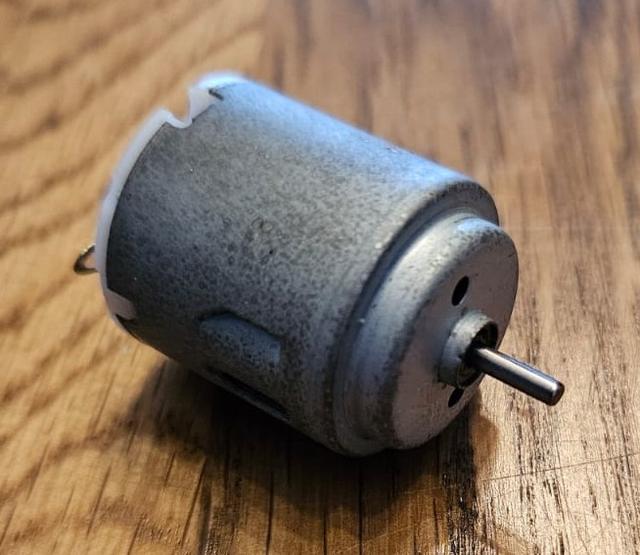
Q3.What component is shown in this image?
Q4.Which of these materials could act as an electrical conductor in a switch?
Q5.Switches control circuits by making a space between where electricity cannot flow.
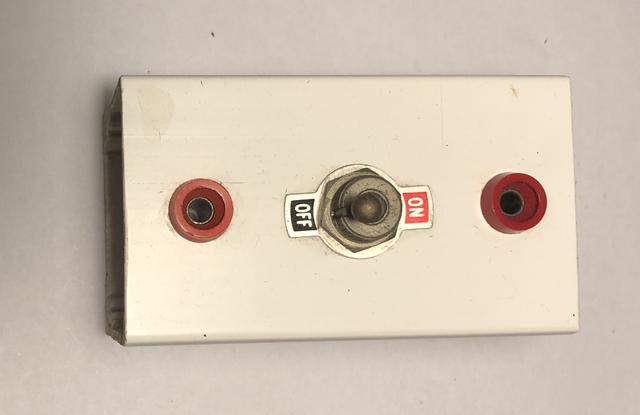
Q6.What type of switch is this?
Assessment exit quiz
6 Questions
Q1.What is the name for a device which detects changes in things like light, temperature, motion, sound or pressure?
Q2.Sensors are used in everyday electrical such as washing machines, lights, burglar and fire alarms.
Q3.What does a motion sensor detect?
Q4.What type of sensor detects liquid?
Q5.Strict safety rules must be followed when you use electrical components near which of these?
Q6.Which type of professionals begin their ideas on paper and in the laboratory, then design and test them to build things that matter and make our lives easier.
To help you plan your 6 science lesson on: Electrical sensors: design (non-statutory), download all teaching resources for free and adapt to suit your pupils' needs...
To help you plan your 6 science lesson on: Electrical sensors: design (non-statutory), download all teaching resources for free and adapt to suit your pupils' needs.
The starter quiz will activate and check your pupils' prior knowledge, with versions available both with and without answers in PDF format.
We use learning cycles to break down learning into key concepts or ideas linked to the learning outcome. Each learning cycle features explanations with checks for understanding and practice tasks with feedback. All of this is found in our slide decks, ready for you to download and edit. The practice tasks are also available as printable worksheets and some lessons have additional materials with extra material you might need for teaching the lesson.
The assessment exit quiz will test your pupils' understanding of the key learning points.
Our video is a tool for planning, showing how other teachers might teach the lesson, offering helpful tips, modelled explanations and inspiration for your own delivery in the classroom. Plus, you can set it as homework or revision for pupils and keep their learning on track by sharing an online pupil version of this lesson.
Explore more key stage 2 science lessons from the Changing circuits unit, dive into the full primary science curriculum, or learn more about lesson planning.