


Extreme weather: flooding (non-statutory Climate Change & Sustainability)


Lesson details
Learning outcome
I can explain why more extreme weather leading to flooding can affect environments.
Key learning points
- Flooding occurs when an area of land is covered with water, especially from rain.
- Floods can cause damage to crops, when air cannot get the the roots and they rot.
- Floods affect some parts of the world more than others.
- The air all around our planet is warming up, and warmer air can hold more water.
- The extra water in the air falls as extra rain, and can cause flooding.
Keywords
Flooding - Flooding is the covering or submerging of normally dry land with a large amount of water.
Crop - A crop is a plant that is grown to be sold, often as food.
Waterlogged - Land which is waterlogged is full of water or almost covered by a layer of water.
Extreme - Extreme means very large in amount; much more than normal.
Climate - Climate is weather patterns over a long period of time.
Common misconception
Children may think that it doesn't rain very much in countries with warmer climates.
Through the lesson, and drawing on children from other countries in your class, discuss the rainfall and weather to illustrate this is not the case. The data within the slides will help illustrate this.
Teacher tip
You may wish to alter which countries you focus on, linking to personal hertitage amongst the group or countries being studied in other lessons. Allowing the children access to secondary research to find out about other countries and imapct of flooding would add to the lesson.

Equipment
A news report is provided in the additional materials if the children do not have access to secondary sources to do their own research.

Content guidance
Depiction or discussion of violence or suffering

Supervision
Adult supervision required

Licence

Lesson video
Loading...
Prior knowledge starter quiz
6 Questions
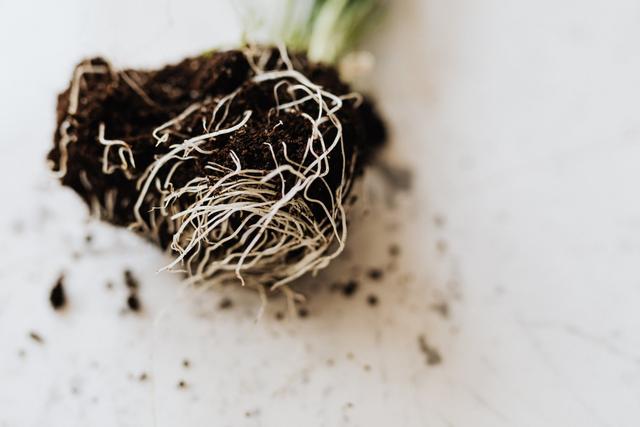
Q1.Which part of the plant can you see in the image?
Q2.Rain, sun, wind, snow and hail are all types of...
Q3.Which of these pieces of equipment would you use to measure temperature?
Q4.Put these temperatures in order of hottest to coldest.
Q5.Match the equipment to the thing it measures.

Q6.If we were using a rain gauge, what would we be measuring?
Assessment exit quiz
6 Questions
Q1. occurs when land that is usually dry is covered with water, often as a result of heavy rain.
Q2.What can happen to crops when they are waterlogged?
Q3.True or false? The air all around our planet is cooling down, and cooler air can hold more water.
Q4.The average air temperature around our planet is...
Q5.Why does warm air cause flooding?
Q6.Which of the following statements are true?
To help you plan your 4 science lesson on: Extreme weather: flooding (non-statutory Climate Change & Sustainability), download all teaching resources for free and adapt to suit your pupils' needs...
To help you plan your 4 science lesson on: Extreme weather: flooding (non-statutory Climate Change & Sustainability), download all teaching resources for free and adapt to suit your pupils' needs.
The starter quiz will activate and check your pupils' prior knowledge, with versions available both with and without answers in PDF format.
We use learning cycles to break down learning into key concepts or ideas linked to the learning outcome. Each learning cycle features explanations with checks for understanding and practice tasks with feedback. All of this is found in our slide decks, ready for you to download and edit. The practice tasks are also available as printable worksheets and some lessons have additional materials with extra material you might need for teaching the lesson.
The assessment exit quiz will test your pupils' understanding of the key learning points.
Our video is a tool for planning, showing how other teachers might teach the lesson, offering helpful tips, modelled explanations and inspiration for your own delivery in the classroom. Plus, you can set it as homework or revision for pupils and keep their learning on track by sharing an online pupil version of this lesson.
Explore more key stage 2 science lessons from the Living things and the environment unit, dive into the full primary science curriculum, or learn more about lesson planning.