


Magnetic and non-magnetic materials


Lesson details
Learning outcome
I can compare and group together everyday materials on the basis of whether they are attracted to a magnet, and identify some magnetic materials.
Key learning points
- Magnetic materials will be attracted to a magnet and non-magnetic materials will not be attracted to a magnet
- Magnetic materials always contain metal, but not all metals are magnetic
- Iron is magnetic, so is steel because it contains iron
- Most other metals are not magnetic
- Magnets are used to separate magnetic materials from non-magnetic materials at recycling centres and scrap yards
Keywords
Material - A material is the thing that objects are made from such as wood, metal or plastic.
Magnetic - Magnetic materials are materials that are attracted to magnets.
Attract - To attract something is to make it move closer.
Non-magnetic - Non-magnetic materials are materials that are not attracted to magnets.
Metal - A metal is a type of material.
Common misconception
All metals and silver coloured objects are magnetic and are attracted to a magnet.
Explicit teaching, including many examples, will be combined with hands-on exploration to address this misconception.
Teacher tip
This lesson helps children understand the importance of science in their day-to-day lives by providing them with the opportunity to learn about, and explore, how magnets are used in recycling and waste management.

Equipment
Magnets and a selection of items made from magnetic and non-magnetic materials.

Content guidance
Risk assessment required - equipment
Exploration of objects
Exploration of objects

Supervision
Adult supervision required

Licence

Lesson video
Loading...
Prior knowledge starter quiz
6 Questions
Q1.If an object appears to stick to or moves towards a magnet, we say it is to the magnet.
Q2.Which materials do magnets attract?
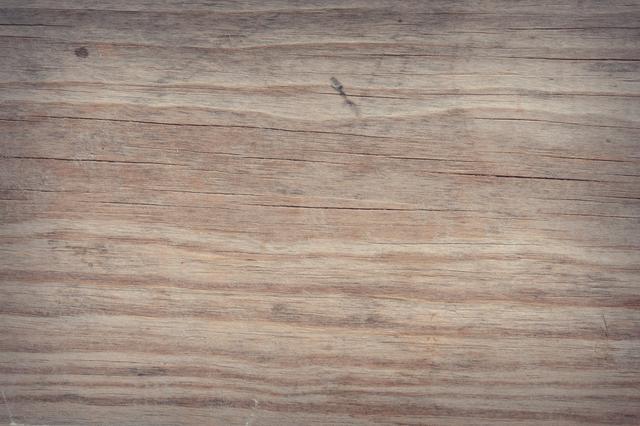
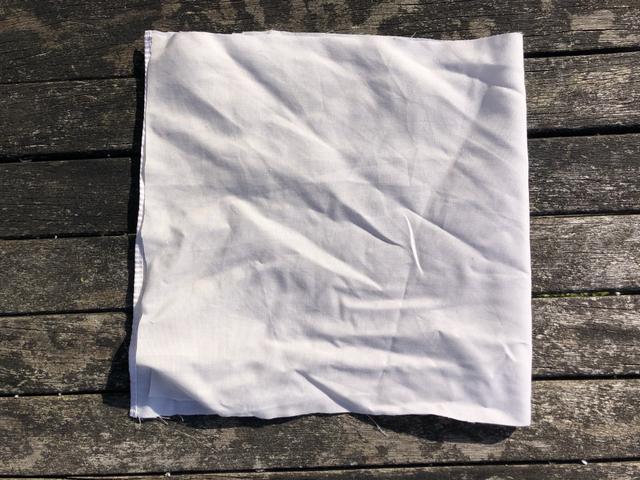

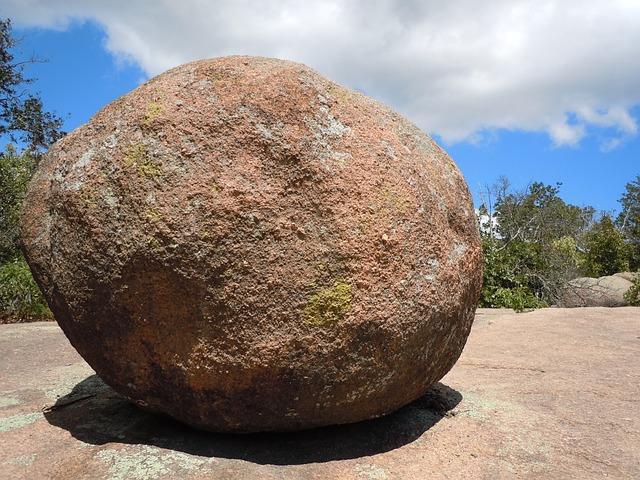
Q3.Which of these letters would you find on the ends of a bar maget?
Q4.Match the type of enquiry to the example given.

Q5.If you compare things, you look for similarities and...
Q6.Which of these materials are metals?
Assessment exit quiz
6 Questions
Q1.If a material is magnetic it will be to a magnet.
Q2. materials will not be attracted to a magnet.
Q3.Which of the following statements are true?
Q4.Match the metal to whether it is magnetic or not.
Q5.Which of these are real examples of how magnets can help with waste?
Q6.Why is steel magnetic?
To help you plan your 3 science lesson on: Magnetic and non-magnetic materials, download all teaching resources for free and adapt to suit your pupils' needs...
To help you plan your 3 science lesson on: Magnetic and non-magnetic materials, download all teaching resources for free and adapt to suit your pupils' needs.
The starter quiz will activate and check your pupils' prior knowledge, with versions available both with and without answers in PDF format.
We use learning cycles to break down learning into key concepts or ideas linked to the learning outcome. Each learning cycle features explanations with checks for understanding and practice tasks with feedback. All of this is found in our slide decks, ready for you to download and edit. The practice tasks are also available as printable worksheets and some lessons have additional materials with extra material you might need for teaching the lesson.
The assessment exit quiz will test your pupils' understanding of the key learning points.
Our video is a tool for planning, showing how other teachers might teach the lesson, offering helpful tips, modelled explanations and inspiration for your own delivery in the classroom. Plus, you can set it as homework or revision for pupils and keep their learning on track by sharing an online pupil version of this lesson.
Explore more key stage 2 science lessons from the Simple forces including magnets unit, dive into the full primary science curriculum, or learn more about lesson planning.