


The 5 Rs (non-statutory Climate Change & Sustainability)


Lesson details
Learning outcome
I can describe the 5Rs and how foods decompose (rot) to form useful nutrients for crops.
Key learning points
- The 5Rs are Refuse, Reduce, Reuse, Recycle and Rot.
- Compost is made by allowing certain types of food waste and other materials to decompose over time.
- Compost provides nutrients to help plants grow and be healthy.
- Compost needs air, moisture and the right mix of waste food and materials.
- Compost can be used in the school grounds to help plants and animals grow.
Keywords
Rot - When something rots it decays or decomposes.
Compost - Compost is useful for growing plants. It can be made by rotting down certain types of food and garden waste.
Nutrient - Nutrients are substances that living things use to stay alive and healthy. Animals take in nutrients from their food.
Decompose - To decompose is to break down or decay.
Micro-organism - A micro-organism is a very tiny living thing.
Common misconception
Pupils may think that compost is just dirt or mud, or is no different from soil.
Explain that compost has a different composition to soil, and is full of nutrients that are beneficial to growing plants.
Teacher tip
In Learning Cycle 3, a child makes a mini compost heap in a bottle. It would be great for children to have a go at making these themselves or to have a ready-made one for them to observe during the lesson. Ensure to carry out a risk assessment if children are working with soil and food waste.

Equipment
If making compost, aim for a 50:50 mixture of greens (grass cuttings and other plants) and browns (dry leaves, twigs, hay, card, paper etc). Do not compost food waste. Keep the heap damp, not wet.

Content guidance
Exploration of objects

Supervision
Adult supervision recommended

Licence

Lesson video
Loading...
Prior knowledge starter quiz
6 Questions
Q1.Plants absorb water and nutrients from the they are growing in.
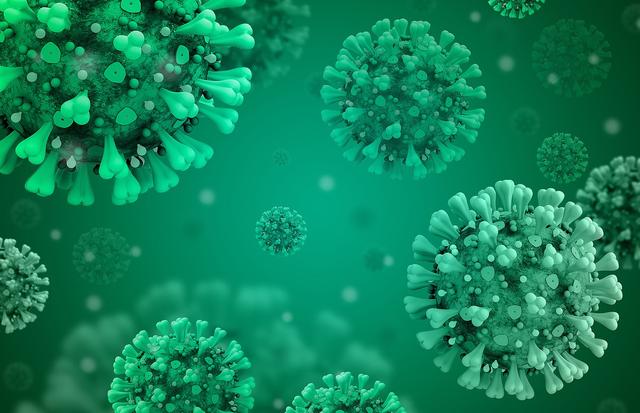
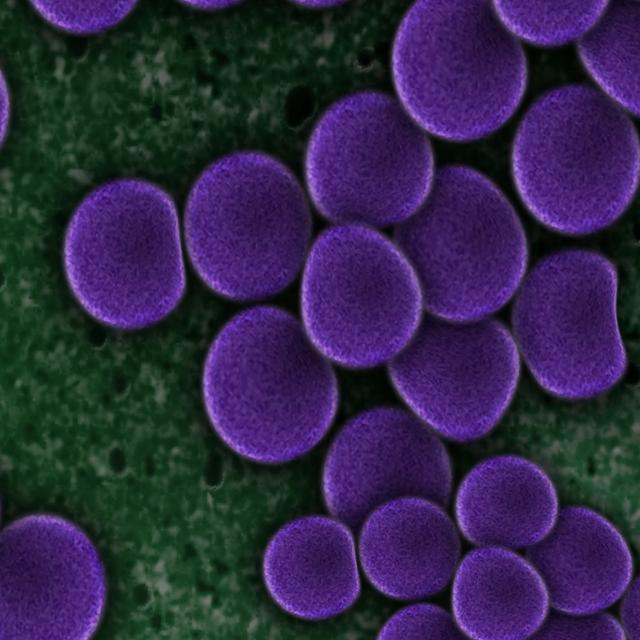
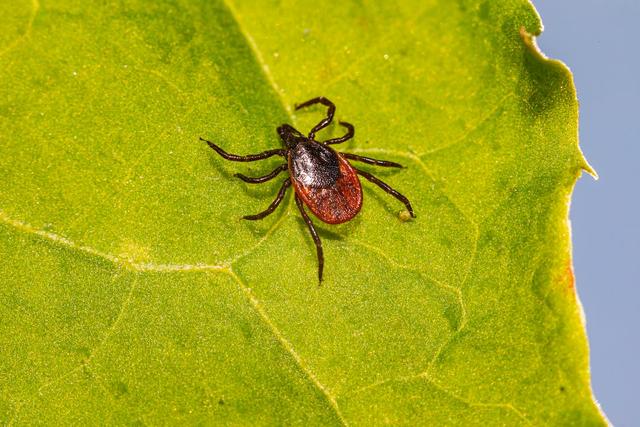
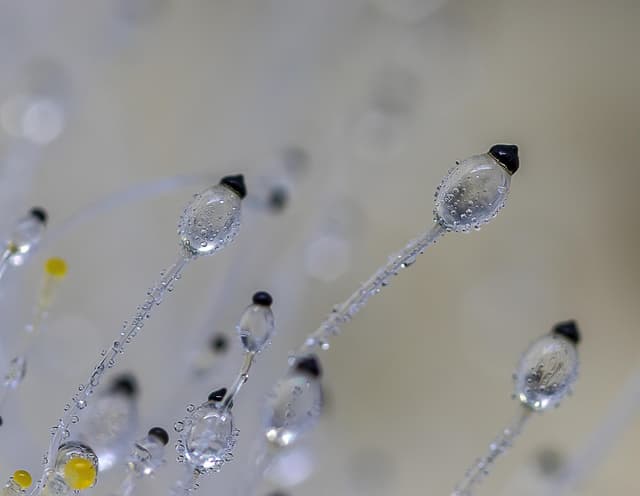
Q2.Which of these is not a micro-organism?
Q3.Humans create lots of waste everyday at home and school or work. What is waste?
Q4.Match the living thing to the correct group.

Q5.What is moisture?
Q6.What are nutrients?
Assessment exit quiz
6 Questions
Q1.When we leave certain types of food waste and other materials to decompose over time, what is made?
Q2.The 5 Rs are refuse, reduce, reuse, recycle and ...
Q3.Which of these things does composting not need?
Q4.Which of these types of waste should not be put into a compost bin?
Q5.What do we call the micro-organisms and small animals that break down the waste in a compost heap?
Q6.Compost provides that plants need to grow and be healthy.
To help you plan your 6 science lesson on: The 5 Rs (non-statutory Climate Change & Sustainability), download all teaching resources for free and adapt to suit your pupils' needs...
To help you plan your 6 science lesson on: The 5 Rs (non-statutory Climate Change & Sustainability), download all teaching resources for free and adapt to suit your pupils' needs.
The starter quiz will activate and check your pupils' prior knowledge, with versions available both with and without answers in PDF format.
We use learning cycles to break down learning into key concepts or ideas linked to the learning outcome. Each learning cycle features explanations with checks for understanding and practice tasks with feedback. All of this is found in our slide decks, ready for you to download and edit. The practice tasks are also available as printable worksheets and some lessons have additional materials with extra material you might need for teaching the lesson.
The assessment exit quiz will test your pupils' understanding of the key learning points.
Our video is a tool for planning, showing how other teachers might teach the lesson, offering helpful tips, modelled explanations and inspiration for your own delivery in the classroom. Plus, you can set it as homework or revision for pupils and keep their learning on track by sharing an online pupil version of this lesson.
Explore more key stage 2 science lessons from the Why we group and classify living things unit, dive into the full primary science curriculum, or learn more about lesson planning.