


Colour mixing for the garden


Lesson details
Learning outcome
I can match colours I see in flowers using wet and dry paint.
Key learning points
- Artists can match colours that they observe in the world around them.
- Wet and dry paint can be mixed to create a range of colours.
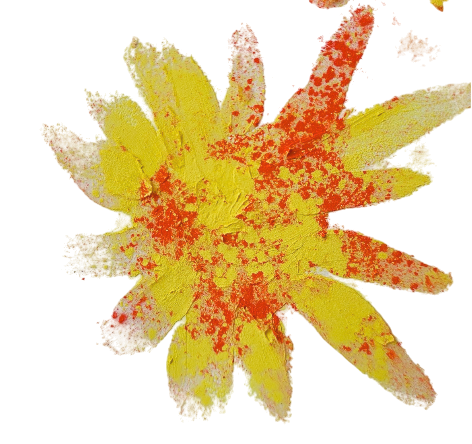
- Powder paint and petroleum jelly can be mixed to create a colourful artwork.
Keywords
Match - mixing paint so that it looks the same as the colours we observe
Powder paint - a dry, colourful powder that can be mixed with water to make paint
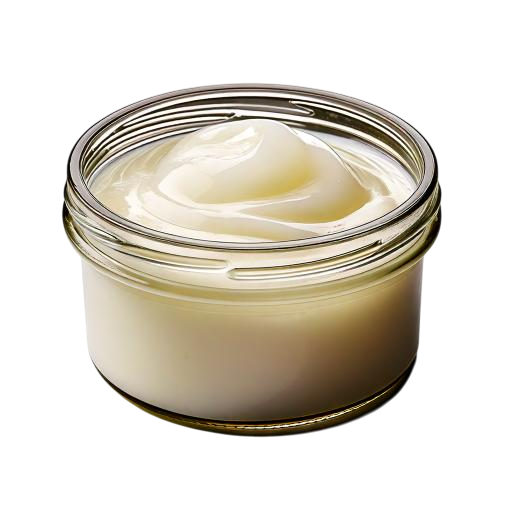
Petroleum jelly - a thick, greasy substance
Common misconception
Artists can always match colours on the first attempt.
Remind children that it can take an artist several tries to make the correct colour. By practicing colour mixing, artists can improve over time.
Teacher tip
Petroleum jelly does not cure when exposed to air. The artwork made in learning cycle two can be made on loose sheets of paper rather than sketchbooks, and photographed to preserve it. This artwork will not be suitable for display where it will remain wet to touch.

Equipment
Ready mixed paint, paint brushes, water pots, powder paint in primary colours, petroleum jelly, loose sheets of paper.

Licence

Lesson video
Loading...
Prior knowledge starter quiz
4 Questions
Q1.Which of these colours can you mix to make orange paint?


Q2.Which of these materials do you think might feel soft?
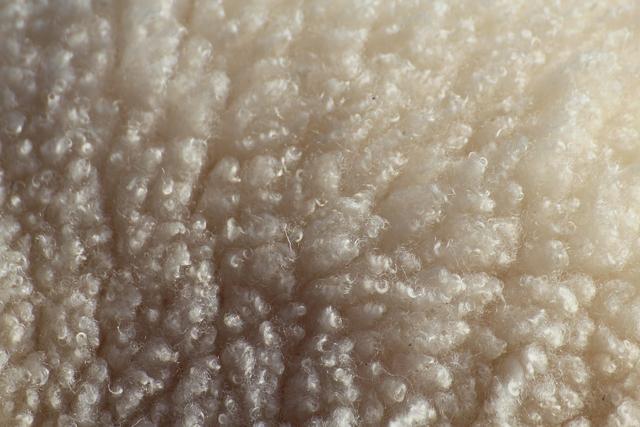
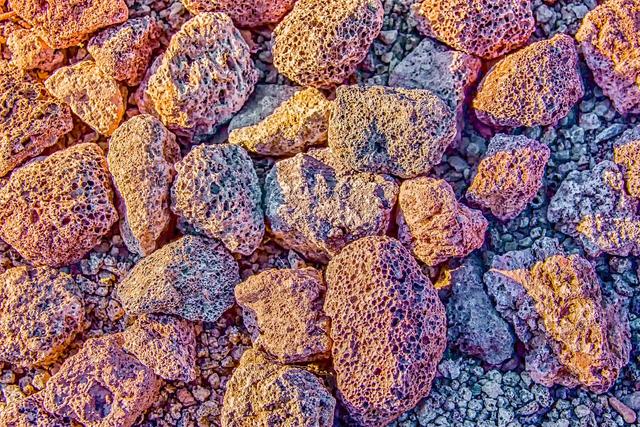

Q3.What is a “reduction drawing”?
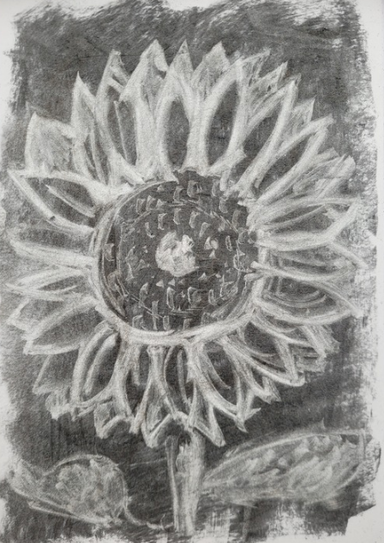
Q4.What are the three secondary colours?
Assessment exit quiz
4 Questions
Q1.Colours can only be mixed with wet paint.
Q2.What other materials do you need to be able to paint with powder paint?

Q3.Artists might have to try several times to match a colour.
Q4.Put the steps in the correct order to create a flower artwork with dry paint.
To help you plan your 1 art and design lesson on: Colour mixing for the garden, download all teaching resources for free and adapt to suit your pupils' needs...
To help you plan your 1 art and design lesson on: Colour mixing for the garden, download all teaching resources for free and adapt to suit your pupils' needs.
The starter quiz will activate and check your pupils' prior knowledge, with versions available both with and without answers in PDF format.
We use learning cycles to break down learning into key concepts or ideas linked to the learning outcome. Each learning cycle features explanations with checks for understanding and practice tasks with feedback. All of this is found in our slide decks, ready for you to download and edit. The practice tasks are also available as printable worksheets and some lessons have additional materials with extra material you might need for teaching the lesson.
The assessment exit quiz will test your pupils' understanding of the key learning points.
Our video is a tool for planning, showing how other teachers might teach the lesson, offering helpful tips, modelled explanations and inspiration for your own delivery in the classroom. Plus, you can set it as homework or revision for pupils and keep their learning on track by sharing an online pupil version of this lesson.
Explore more key stage 1 art and design lessons from the Create a flower garden: introducing the 7 elements of art unit, dive into the full primary art and design curriculum, or learn more about lesson planning.