


Explore the shades, textures and colours of a rainforest


Lesson details
Learning outcome
I can explore the shades and textures of a rainforest.
Key learning points
- Mixing colours creates a range of natural colours for a palette.
- Blending, sponging and stippling creates different textures.
- Tinting involves adding white to a colour to make it lighter, while shading involves adding black to make it darker.
- Using smaller brushes allows fine details to be added to a painting.
Keywords
Texture - how something feels or how something looks like it would feel
Shade - is where an artist adds black to a colour to darken it down
Tint - is where an artist adds white to create a lighter version of the colour
Colour palette - is the group of colours you choose for your artwork
Common misconception
Pupils may think that mixing in lots of colours makes a better brown.
Overmixing paint can lead to a muddy, unappealing colour, rather than a clean, rich brown.
Teacher tip
This lessons is all about colour mixing and creating earthy tones. Focus on the concept of balance and moderation. Encourage pupils to start with small amounts of each colour and gradually adjust. This will help them see the effects of colour mixing without overwhelming pupils with too much paint.

Equipment
Paint, palettes, different size brushes and sponges.

Licence

Lesson video
Loading...
Prior knowledge starter quiz
6 Questions
Q1.When sketching the trees in the rainforest, which shapes could you use to represent the trunk and canopy?
Q2.What shape is most commonly used to represent a leaf in a rainforest sketch?
Q3.What is the main purpose of shading in a drawing?
Q4.Which of the following are primary colours?
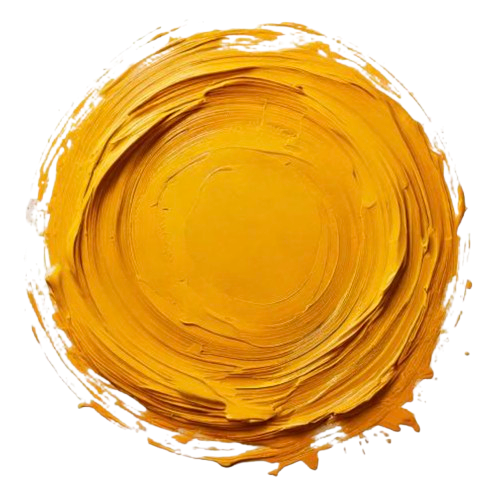
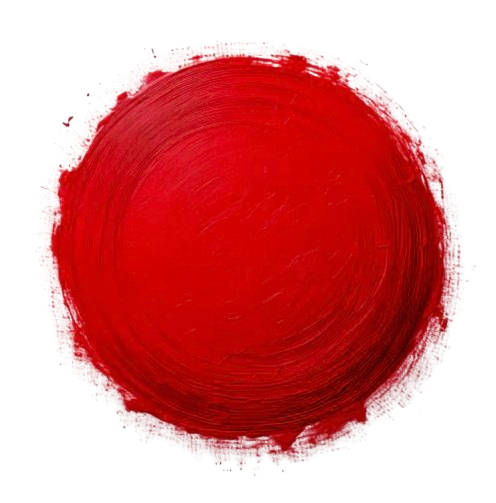
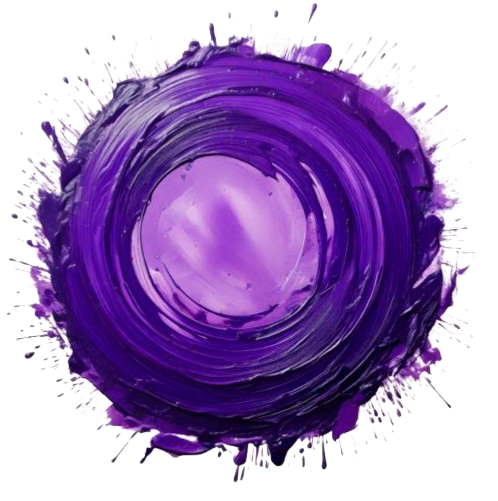
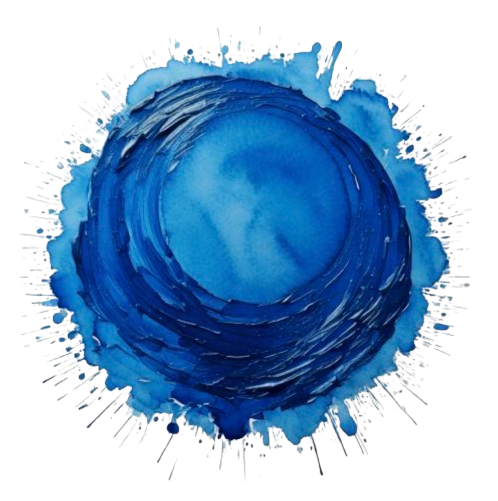
Q5.Which of the following are secondary colours?
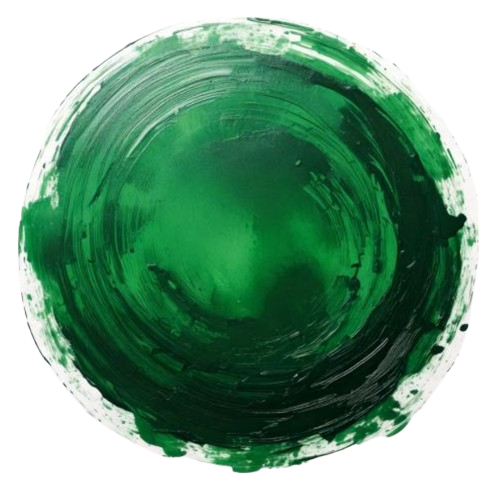
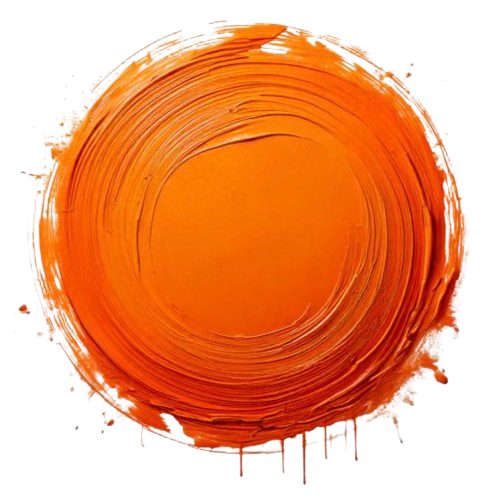
Q6.Match the drawing technique with its correct description:

Assessment exit quiz
4 Questions
Q1.What does a 'tint' refer to when mixing colours in art?
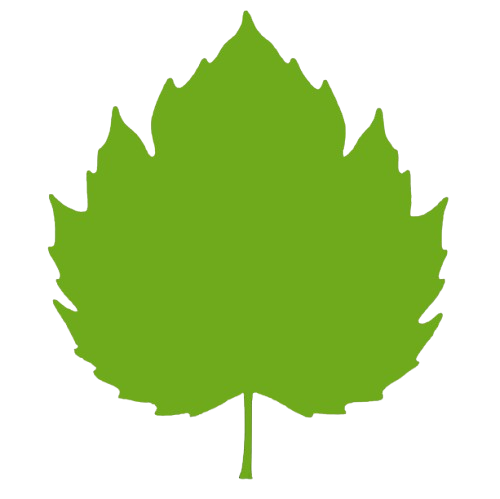
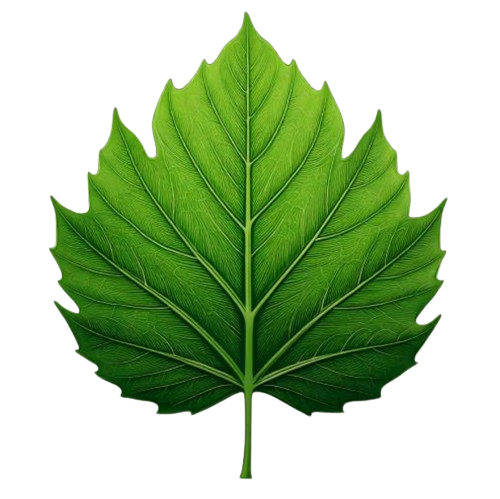
Q2.On which leaf has tone been applied?
Q3.True or false: shading often involves using darker colours to show shadows to make a painting look more three-dimensional.
Q4.Using smaller brushes allows __________ to be added to paintings.
To help you plan your 3 art and design lesson on: Explore the shades, textures and colours of a rainforest, download all teaching resources for free and adapt to suit your pupils' needs...
To help you plan your 3 art and design lesson on: Explore the shades, textures and colours of a rainforest, download all teaching resources for free and adapt to suit your pupils' needs.
The starter quiz will activate and check your pupils' prior knowledge, with versions available both with and without answers in PDF format.
We use learning cycles to break down learning into key concepts or ideas linked to the learning outcome. Each learning cycle features explanations with checks for understanding and practice tasks with feedback. All of this is found in our slide decks, ready for you to download and edit. The practice tasks are also available as printable worksheets and some lessons have additional materials with extra material you might need for teaching the lesson.
The assessment exit quiz will test your pupils' understanding of the key learning points.
Our video is a tool for planning, showing how other teachers might teach the lesson, offering helpful tips, modelled explanations and inspiration for your own delivery in the classroom. Plus, you can set it as homework or revision for pupils and keep their learning on track by sharing an online pupil version of this lesson.
Explore more key stage 2 art and design lessons from the The Rainforest: drawing and painting unit, dive into the full primary art and design curriculum, or learn more about lesson planning.