Choose exam board for KS4 Computer Science (GCSE)
Choose exam board for KS4 English
Choose exam board for KS4 French
Choose exam board for KS4 Geography
Choose exam board for KS4 German
Choose exam board for KS4 History
Choose tier for KS4 Maths
Choose exam board for KS4 Music
Choose exam board for KS4 Physical education (GCSE)
Choose exam board for KS4 Religious education (GCSE)
Choose exam board for KS4 Spanish

      The effect of different substrates on cellular respiration in yeast: practical

      Lesson details

      Learning outcome

      I can investigate the effect of different substrates on cellular respiration in yeast by using a measuring cylinder to collect the gas produced.

      Key learning points

      1. Living yeast cells immobilised in alginate beads will carry out cellular respiration and produce carbon dioxide gas.
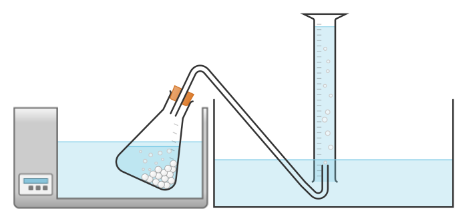
      2. The gas can be collected and the volume of gas measured using an upturned measuring cylinder under water.
      3. Identifying independent and dependent variables, and variables to control to increase the validity of the results.
      4. How to read the volume of gas from the meniscus in the measuring cylinder after a set time.
      5. Collecting repeat measurements for each substrate, and collecting data for different substrates.

      Keywords

      • Cellular respiration - An exothermic chemical process that transfers energy for life processes, using glucose as fuel.

      • Independent variable - The factor that we change in an experiment.

      • Dependent variable - The factor that we measure in an experiment.

      • Random error - Causes results to differ by different amounts due to a factor other than the independent variable (the factor we changed).

      • Systematic error - Causes measurements to differ from the true value by the same amount each time they are taken.

      Common misconception

      Pupils often read the volume of gas incorrectly as they do not measure it from the bottom of the meniscus of the water in the measuring cylinder.

      This lesson contains a detailed explanation of how to correctly measure volumes from the meniscus, and why this is important.

      Teacher tip

      In order to speed up the practical, you can divide the class in thirds and have one third conduct the experiment with glucose, one third with sucrose, and the final third with starch.

      Equipment

      Conical flasks, glucose and two other carbohydrate substrates (e.g. sucrose and starch), yeast immobilised in alginate beads, bungs and delivery tubes, measuring cylinders, tank, water bath, timer.

      Content guidance

      Risk assessment required - equipment

      Supervision

      Adult supervision required

      Licence

      This content is © Oak National Academy Limited (2026), licensed on Open Government Licence version 3.0
      except where otherwise stated. See Oak's terms & conditions
      (Collection 2).

      Lesson video

      Loading...

      Prior knowledge starter quiz

      6 Questions

      Q1.
      Match the words to their meanings.

      Correct Answer:Active site ,part of an enzyme to which a specific substrate can bind

      part of an enzyme to which a specific substrate can bind

      Correct Answer:Enzyme ,biological catalyst

      biological catalyst

      Correct Answer:Rate,how much change occurs per unit of time

      how much change occurs per unit of time

      Correct Answer:Lock and key ,a model used to explain the specificity of enzymes

      a model used to explain the specificity of enzymes

      Q2.
      Which is the best explanation of the term denatured?

      Bonds in the enzyme break, changing the shape of the enzyme.
      Bonds in the substrate break, changing the shape of the active site.
      Bonds in the substrate break, changing the shape of the substrate.
      Correct answer: Bonds in the enzyme break, changing the shape of the active site.

      Q3.
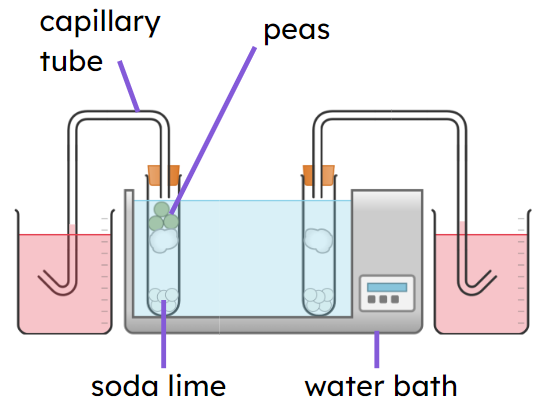
      Some peas are boiled and then cooled back to room temperature. The peas are then used in a respirometer at 30°C. How will the respirometer results for the boiled peas compare to germinating peas?

      An image in a quiz
      The boiled peas will have a slower rate of cellular respiration.
      The boiled peas will have a faster rate of cellular respiration.
      The boiled and germinating peas will respire at the same rate.
      Correct answer: The boiled peas will not respire but the germinating peas will respire.

      Q4.
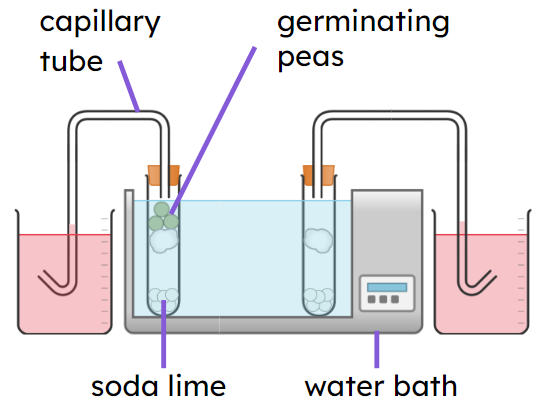
      In three 5 minute tests using a respirometer, the water in the capillary tube moves 10 mm, 12 mm and 8 mm. The mean rate of respiration for these results is mm/min.

      An image in a quiz
      Correct Answer: 2, two

      Q5.
      What is oxygen debt?

      The amount of oxygen needed for aerobic respiration.
      The amount of oxygen needed for anaerobic respiration.
      Correct answer: The amount of oxygen needed to remove lactic acid made by anaerobic respiration.
      The amount of oxygen needed to remove CO$$_2$$ made by anaerobic respiration.

      Q6.
      For a working muscle cell, what is the major advantage of aerobic cellular respiration compared to anaerobic cellular respiration?

      Correct answer: Aerobic cellular respiration transfers more energy per molecule of glucose.
      Aerobic cellular respiration is faster.
      Aerobic cellular respiration uses mitochondria.
      Aerobic cellular respiration produces carbon dioxide.

      6 Questions

      Q1.
      What name do scientist give to errors that cause measurements to differ from the true value by the same amount each time?

      outlier
      random error
      Correct answer: systematic error

      Q2.
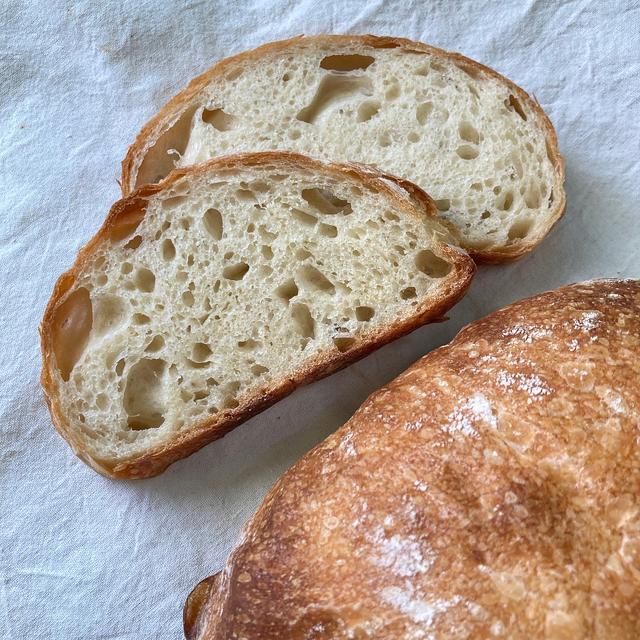
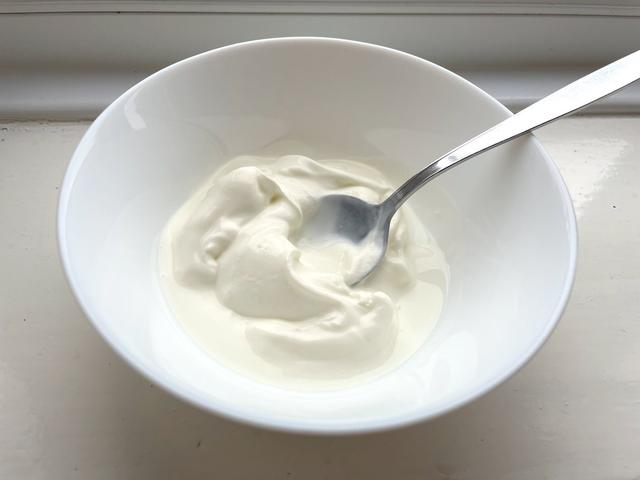
      Yeast is used in the production of a variety of food and drinks. Which food or drink is made without yeast?

      Bread
      Beer
      Wine
      Correct answer: Yogurt

      Q3.
      The equation for anaerobic respiration in yeast is not balanced. What coefficient (number) needs to be added before the formulae for ethanol and carbon dioxide, to balance the equation?

      An image in a quiz
      Correct Answer: 2, two

      Q4.
      Starch and cellulose are both large molecules made of thousands of glucose molecules joined together. The enzyme amylase can break down starch but not cellulose. Why?

      The active site of amylase will bind to both starch and cellulose.
      The active site of amylase will bind to neither starch nor cellulose.
      Correct answer: The active site of amylase will bind to starch and not cellulose.
      The active site of amylase will not bind to starch but will to cellulose.

      Q5.
      The apparatus is used to measure the rate of respiration in yeast, provided with different substrates. When using this apparatus, which of the listed variables is the independent variable?

      An image in a quiz
      Volume of water
      Volume of gas collected in the measuring cylinder
      Mass of substrate
      Correct answer: Type of substrate
      Mass of yeast

      Q6.
      To prevent random error, a meniscus must always be read the same way. Where on a meniscus are readings taken?

      top
      middle
      Correct answer: bottom
      top, middle and bottom then averaged

      To help you plan your 11 biology lesson on: The effect of different substrates on cellular respiration in yeast: practical, download all teaching resources for free and adapt to suit your pupils' needs...