


Performing four note tonesets on pitched percussion



Lesson details
Learning outcome
I can read and play do, mi, so and la and can explore different ways to play these notes.
Key learning points
- The melodies we sing, are made up of high and low pitched notes.
- We can use a musical stave to read songs containing do, mi, so, and la.
- We can find do, mi, so, and la on a pitched percussion instrument.
- We can use pitched percussion to play simple melodies and patterns.
Keywords
Pitch - how high or low a note is
Note - a single sound in music
Stave - lines on which notes can be placed
Pitched percussion - an instrument that can play musical notes when we strike it
Melody - a combination of notes to make a memorable tune
Common misconception
The longer (taller) bars on a pitched percussion instrument make a higher pitch.
On a pitched percussion instrument, the bars with a longer length make a lower pitch and the bars with a shorter length make a higher pitch.
Teacher tip
For the purposes of this lesson, we will use the notes C, E, G, and A on the pitched percussion instruments. If you have instruments with removeable bars, you may wish to remove the bars that won't be used. It can be helpful to label the bars with the note names 'do, mi, so, and la'.

Equipment
Pitched percussion instruments such as xylophones, chime bars, or glockenspiels, two beaters per player. Boomwhackers may be used if barred instruments are not available.

Licence

Lesson video
Loading...
Prior knowledge starter quiz
4 Questions
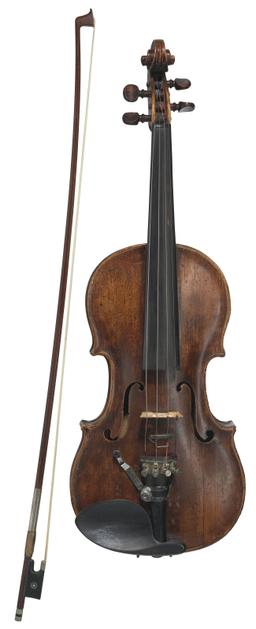
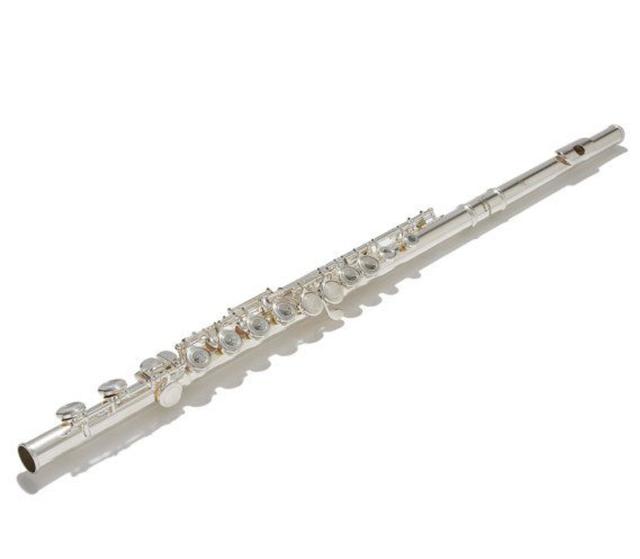
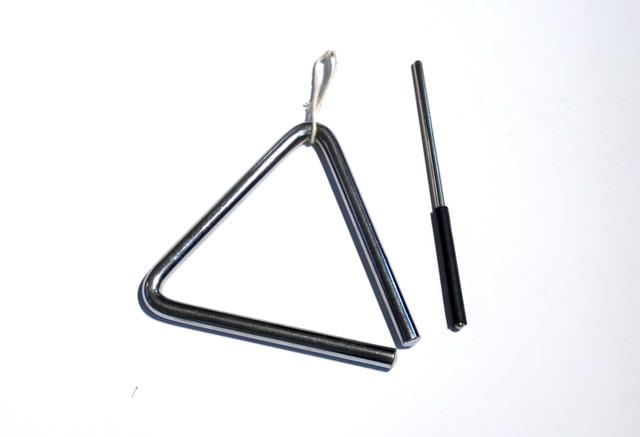
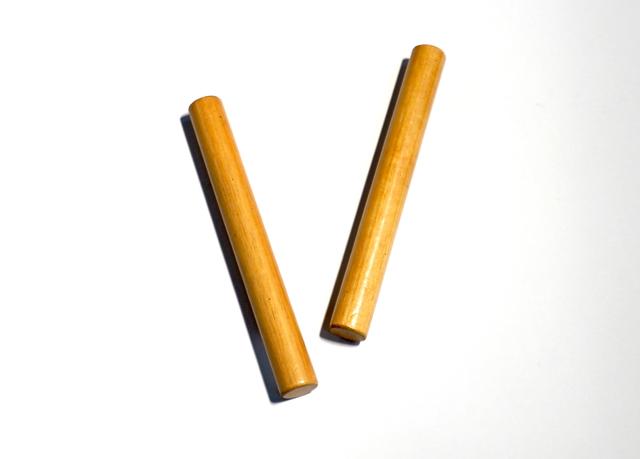
Q1.Which of the following are percussion instruments?

Q2.Which word do we use to describe how high or low a note is?
Q3.One way of writing music down is by using a musical .
Q4.The tune that we sing is also called the...
Assessment exit quiz
4 Questions
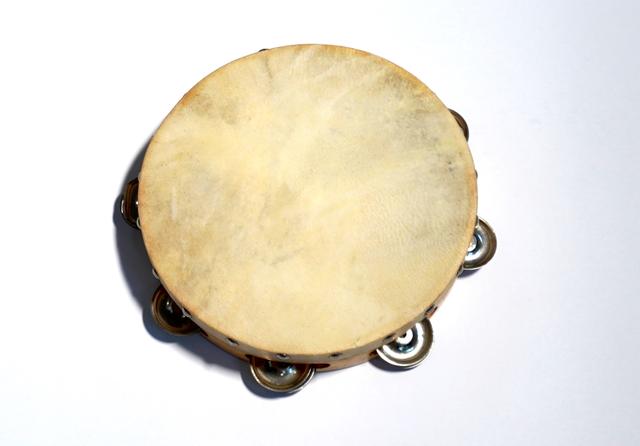
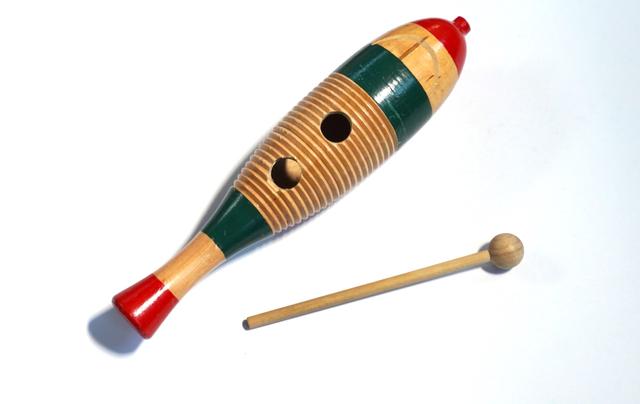
Q1.Which of the following is a pitched percussion instrument?
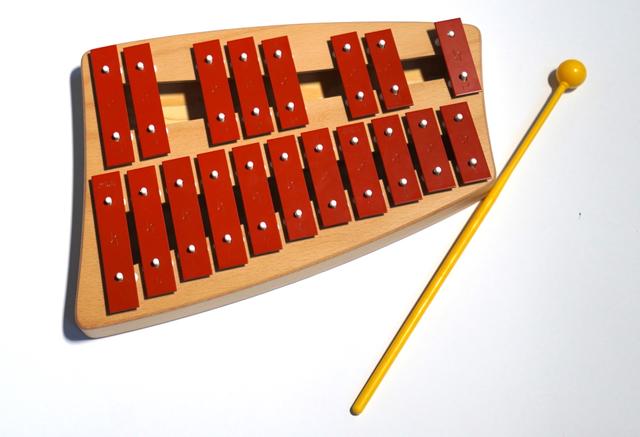
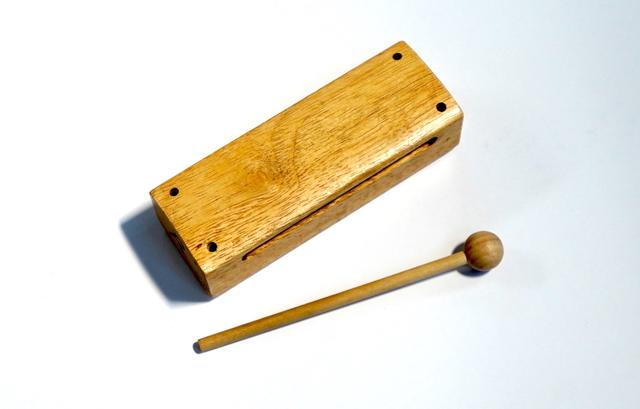
Q2.On a xylophone, the longer bars have a pitch.
Q3.Which of the following notes is placed lowest on the musical stave?
Q4.Order the notes from lowest to highest pitch.
To help you plan your 2 music lesson on: Performing four note tonesets on pitched percussion, download all teaching resources for free and adapt to suit your pupils' needs...
To help you plan your 2 music lesson on: Performing four note tonesets on pitched percussion, download all teaching resources for free and adapt to suit your pupils' needs.
The starter quiz will activate and check your pupils' prior knowledge, with versions available both with and without answers in PDF format.
We use learning cycles to break down learning into key concepts or ideas linked to the learning outcome. Each learning cycle features explanations with checks for understanding and practice tasks with feedback. All of this is found in our slide decks, ready for you to download and edit. The practice tasks are also available as printable worksheets and some lessons have additional materials with extra material you might need for teaching the lesson.
The assessment exit quiz will test your pupils' understanding of the key learning points.
Our video is a tool for planning, showing how other teachers might teach the lesson, offering helpful tips, modelled explanations and inspiration for your own delivery in the classroom.
Explore more key stage 1 music lessons from the Compose and create: improvising with four notes unit, dive into the full primary music curriculum, or learn more about lesson planning.