


Basic information processing


Lesson details
Learning outcome
I can identify and explain each stage of the basic information processing model.
Key learning points
- Information processing involves interpreting sensory input, making decisions and sending commands to muscles.
- The input stage receives information from the environment via selective attention to focus on relevant details.
- Decision making involves selecting an appropriate response by accessing both long-term and short-term memory.
- During the output stage, the chosen response is transmitted as signals to the muscles to execute the action.
- Feedback provides information on performance and helps with future improvements
Keywords
Information processing - making decisions and gathering data from the display (senses), prioritising the most important stimuli to make a suitable decision
Input stage - information from the display
Decision making - selection of appropriate response from the short and long-term memory
Output stage - information sent to the muscles to carry out a response
Feedback - information a performer receives from self (intrinsic) or others (extrinsic)
Common misconception
The input part of the model is largely based on being able to use sight to inform the brain.
Input is gathering data from all the senses. In sport, these can be what you see, hear, feel and touch.
Teacher tip
Provides lots of examples to draw and label the basic information processing model and apply to a breadth of skills from varying sports.

Equipment
Use skills in the lesson such as passing a ball to break down the information to be processed.

Licence

Lesson video
Loading...
Prior knowledge starter quiz
6 Questions
Q1.Which sense would be used to follow the flight path of a ball in motion.
Q2.Which of the following skills is classified as an open skill?
Q3.There are senses which are connected to the nervous system to inform the brain.
Q4.Which of the following is provided by a coach after performing a skill?
Q5.Place in order the sequence of events when catching a tennis ball.

Q6.A skill is a action with the intention of bringing about predetermined results.
Assessment exit quiz
6 Questions
Q1.Which is the second stage of the basic information processing model?
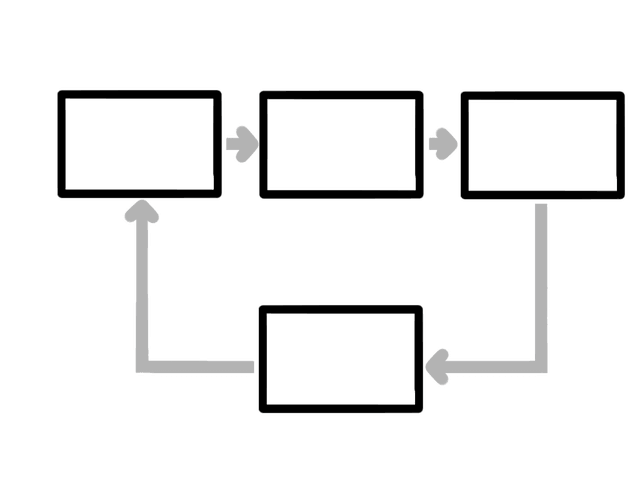
Q2.Which of the following will occur in the input stage of catching a ball?
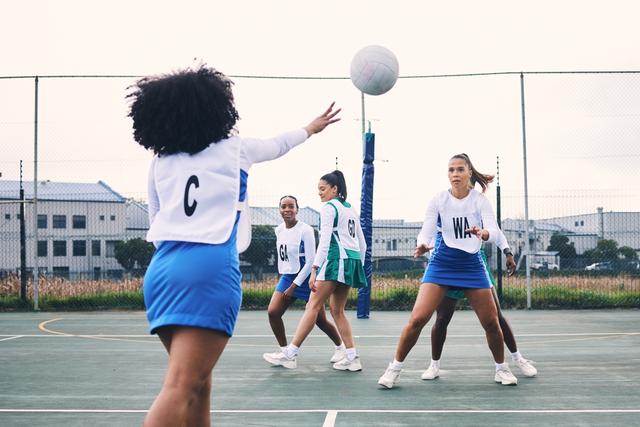
Q3.Match the description to the correct stage of the basic information processing model.

Q4.Which is an example of extrinsic feedback?
Q5.Place the stages of catching a tennis ball in the correct order of the basic information processing model.
Q6.Information processing is making decisions and gathering from the display and prioritising the most important stimuli to make a suitable decision.
To help you plan your 11 physical education lesson on: Basic information processing, download all teaching resources for free and adapt to suit your pupils' needs...
To help you plan your 11 physical education lesson on: Basic information processing, download all teaching resources for free and adapt to suit your pupils' needs.
The starter quiz will activate and check your pupils' prior knowledge, with versions available both with and without answers in PDF format.
We use learning cycles to break down learning into key concepts or ideas linked to the learning outcome. Each learning cycle features explanations with checks for understanding and practice tasks with feedback. All of this is found in our slide decks, ready for you to download and edit. The practice tasks are also available as printable worksheets and some lessons have additional materials with extra material you might need for teaching the lesson.
The assessment exit quiz will test your pupils' understanding of the key learning points.
Our video is a tool for planning, showing how other teachers might teach the lesson, offering helpful tips, modelled explanations and inspiration for your own delivery in the classroom. Plus, you can set it as homework or revision for pupils and keep their learning on track by sharing an online pupil version of this lesson.
Explore more key stage 4 physical education lessons from the Sport psychology: goal setting, guidance and feedback unit, dive into the full secondary physical education curriculum, or learn more about lesson planning.