


Sculpt a robot using recyclable materials


Lesson details
Learning outcome
I can create a robot using recyclable materials and explain my choice of materials.
Key learning points
- Using a maquette as guidance helps in selecting materials and determining how to assemble a sculpture.
- Select recyclable materials based on strength and flexibility for different parts of a sculpture when assembling it.
- Securely joining using methods like tape, tabs, slots, and flanges can connect parts securely based on their needs.
Keywords
Maquette - is a small, rough model of a sculpture used for planning
Sculpture - a three-dimensional piece of art made by shaping or combining materials
Assemble - to fit together the parts of something
Recyclable material - leftover or discarded materials that can be reused for creative purposes
Common misconception
You can choose recycled materials randomly without considering your robot's purpose or the material's properties.
Encourage children to focus on the robot's main purpose first, like its key features (e.g. arms for cleaning). Once those are in place, they can add extra details. Remind them to refer to their maquettes to stay focused.
Teacher tip
This lesson can be completed over multiple sessions, allowing time for planning, creating, and refining the robot sculpture. Prioritise the stability of the robot by reminding them to test their design regularly and make adjustments to ensure the robot stands securely.

Equipment
Cardboard, newspaper, magazines, milk cartons, small boxes, pipe cleaners, string, scissors, gum tape, mark making tools, tissue paper, fabric scraps, foil, beads, buttons and bottle caps.

Licence

Lesson video
Loading...
Prior knowledge starter quiz
6 Questions
Q1.What is this an image of?
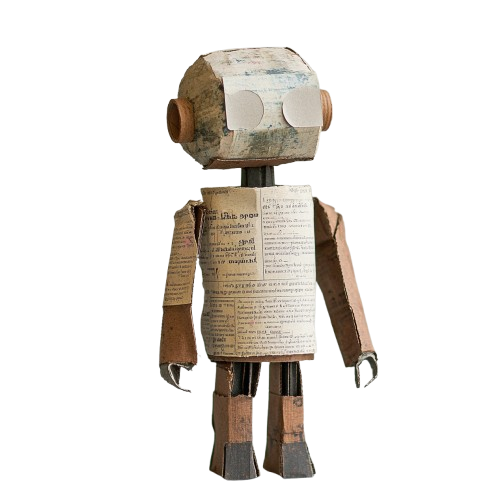

Q2.What makes a robot useful?
Q3.A maquette must be perfect.
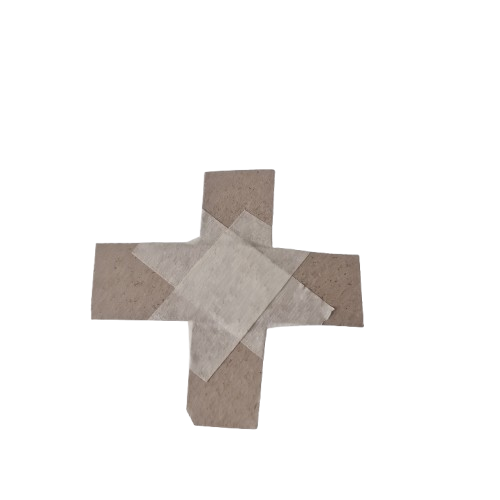
Q4.Which joining resources can you use when making a robot maquette?
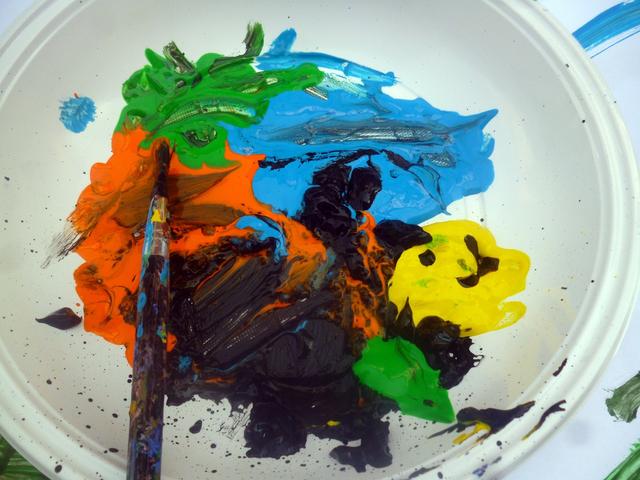

Q5.What should a mood board include?
Q6.An is a skeleton frame that gives the basic shape and holds a maquette together.
Assessment exit quiz
6 Questions
Q1.Toilet roll is a recyclable material.
Q2.A is a model for planning a design.
Q3.Which of these are ways to join parts together?
Q4.What is the definition of assemble?
Q5.Why must a maquette be quick and simple for artists?
Q6.Put the process for using gum tape in the correct order.
To help you plan your 3 art and design lesson on: Sculpt a robot using recyclable materials, download all teaching resources for free and adapt to suit your pupils' needs...
To help you plan your 3 art and design lesson on: Sculpt a robot using recyclable materials, download all teaching resources for free and adapt to suit your pupils' needs.
The starter quiz will activate and check your pupils' prior knowledge, with versions available both with and without answers in PDF format.
We use learning cycles to break down learning into key concepts or ideas linked to the learning outcome. Each learning cycle features explanations with checks for understanding and practice tasks with feedback. All of this is found in our slide decks, ready for you to download and edit. The practice tasks are also available as printable worksheets and some lessons have additional materials with extra material you might need for teaching the lesson.
The assessment exit quiz will test your pupils' understanding of the key learning points.
Our video is a tool for planning, showing how other teachers might teach the lesson, offering helpful tips, modelled explanations and inspiration for your own delivery in the classroom. Plus, you can set it as homework or revision for pupils and keep their learning on track by sharing an online pupil version of this lesson.
Explore more key stage 2 art and design lessons from the Recycled robots: drawing and sculpture unit, dive into the full primary art and design curriculum, or learn more about lesson planning.