


Bisociation


Lesson details
Learning outcome
I can use bisociation to create innovative designs.
Key learning points
- Bisociation can be used to combine two different designs to generate a new and innovative design.
- Bisociation can be used to avoid design fixation when generating new designs.
Keywords
Design opportunities - a gap, or a need where a new or improved product would be beneficial
Design fixation - considering only one or existing possibilities
Innovative - introducing new ideas
Bisociation - the technique of connecting two unrelated concepts to produce a new idea
Common misconception
Fixating on one idea or existing ideas will lead to innovative designing.
Design fixation is the opposite of being innovative and is focussing or fixating on one idea or existing ideas. This can limit creativity and innovation.
Teacher tip
Make the bisociation technique more interactive by writing lists of products, cutting them out and folding them up individually into a container. Allow the students to select two products each without knowing what they are then continue with the process.

Licence

Lesson video
Loading...
Prior knowledge starter quiz
6 Questions
Q1.All design and technological practice takes place within that inform outcomes.

Q2.An approach to investigate a context is to use the 4 W's. The 4 W's are __________, what, where and why
Q3.Another approach to investigate a context is to create a context mind map. This is so designers can ...
Q4.The person you are designing for is called the .
Q5.A target market is ...
Q6.Select the ways to start investigating a context.
Assessment exit quiz
6 Questions
Q1.A design opportunity is a gap or __________ where a new or improved product would be beneficial.
Q2.What is it called when new innovations or advancements in technology drive the creation of new products or services?
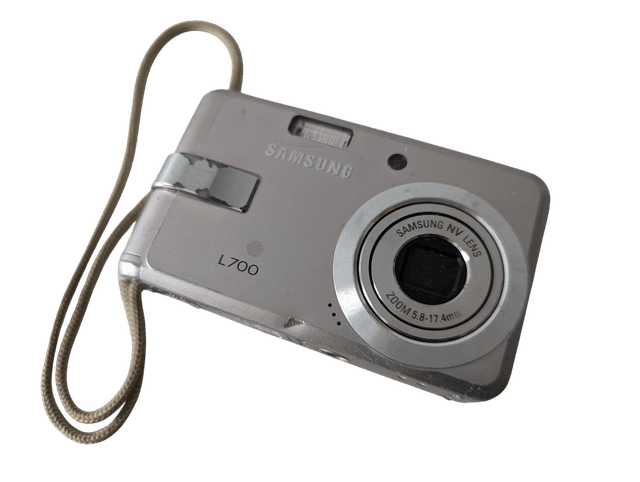
Q3.A digital camera is an example of ...
Q4.__________ designing is creating new and original ideas.
Q5.Innovative designing can be restricted and limited if designers practice design ...
Q6.A way of avoiding design fixation is to practice the technique of ...
To help you plan your 10 design and technology lesson on: Bisociation, download all teaching resources for free and adapt to suit your pupils' needs...
To help you plan your 10 design and technology lesson on: Bisociation, download all teaching resources for free and adapt to suit your pupils' needs.
The starter quiz will activate and check your pupils' prior knowledge, with versions available both with and without answers in PDF format.
We use learning cycles to break down learning into key concepts or ideas linked to the learning outcome. Each learning cycle features explanations with checks for understanding and practice tasks with feedback. All of this is found in our slide decks, ready for you to download and edit. The practice tasks are also available as printable worksheets and some lessons have additional materials with extra material you might need for teaching the lesson.
The assessment exit quiz will test your pupils' understanding of the key learning points.
Our video is a tool for planning, showing how other teachers might teach the lesson, offering helpful tips, modelled explanations and inspiration for your own delivery in the classroom. Plus, you can set it as homework or revision for pupils and keep their learning on track by sharing an online pupil version of this lesson.
Explore more key stage 4 design and technology lessons from the Investigate and research: High profile event unit, dive into the full secondary design and technology curriculum, or learn more about lesson planning.