


Aggression


Lesson details
Learning outcome
I can understand the difference between direct and indirect aggression, and can apply to specific examples.
Key learning points
- Aggression is the deliberate intention to harm another person, either physically or mentally.
- Direct aggression is the use of physical contact to cause harm, such as punching or grabbing.
- Indirect aggression does not involve physical contact, instead the peformer takes the aggression out on an object.
Keywords
Aggression - a deliberate intent to harm or injure another person, which can be physical or mental
Direct aggression - aggressive act which involves physical contact with others, e.g. a punch
Indirect aggression - aggression which does not involve physical contact but is taken out on an object to gain advantage, e.g. hitting a tennis ball hard during a rally
Common misconception
All acts of aggression involve violence and are the result of anger.
Some aggressive acts are controlled and are used to gain a performance advantage in sport. They are also within the rules of sports such as rugby and combat sports.
Teacher tip
Tie aggression into broader topics like motivation, arousal and stress management in sports. This will help students see the interconnectedness of these concepts in real sporting contexts, and there are many good examples from sport to bring it to life.

Licence

Lesson video
Loading...
Prior knowledge starter quiz
6 Questions
Q1.Match these mental rehearsal techniques to the definitions.

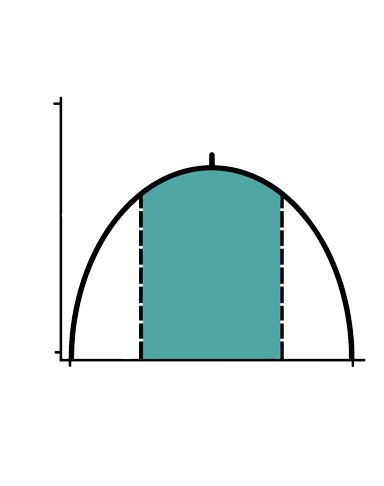
Q2.The shaded section in the image of the inverted U curve represents arousal.
Q3.Which of the following are benefits of positive self-talk?
Q4.Why might athletes sometimes display aggressive behaviour during a game?
Q5.A gross skill will require...
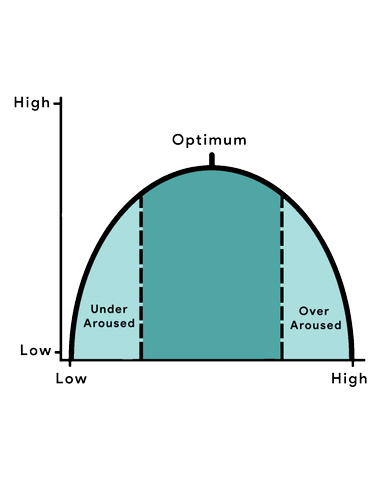
Q6.In which level of arousal are you more likely to make unsporting decisions such as being aggressive?
Assessment exit quiz
6 Questions
Q1.Which type(s) of aggression involves physical contact between those involved?
Q2.Indirect aggression involves the aggression being take out on what?
Q3.In which of these sports might direct aggression be a useful advantage to performance and allowed within the rules?
Q4.Match the example from sport to type of aggression.
Q5.Who is more likely to use direct aggression?
Q6.Which of these might be an intention of a bowler in cricket to use indirect aggression by bowling a 'bouncer' so the batter has to duck out of the way of?
To help you plan your 11 physical education lesson on: Aggression, download all teaching resources for free and adapt to suit your pupils' needs...
To help you plan your 11 physical education lesson on: Aggression, download all teaching resources for free and adapt to suit your pupils' needs.
The starter quiz will activate and check your pupils' prior knowledge, with versions available both with and without answers in PDF format.
We use learning cycles to break down learning into key concepts or ideas linked to the learning outcome. Each learning cycle features explanations with checks for understanding and practice tasks with feedback. All of this is found in our slide decks, ready for you to download and edit. The practice tasks are also available as printable worksheets and some lessons have additional materials with extra material you might need for teaching the lesson.
The assessment exit quiz will test your pupils' understanding of the key learning points.
Our video is a tool for planning, showing how other teachers might teach the lesson, offering helpful tips, modelled explanations and inspiration for your own delivery in the classroom. Plus, you can set it as homework or revision for pupils and keep their learning on track by sharing an online pupil version of this lesson.
Explore more key stage 4 physical education lessons from the Sports psychology: mental preparation for performance unit, dive into the full secondary physical education curriculum, or learn more about lesson planning.